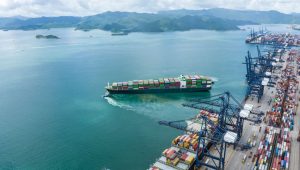
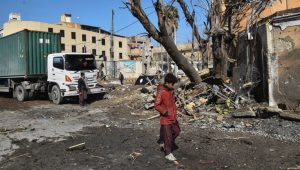
A looming jet fuel shortage across Europe and Asia, triggered by the Iran war and the effective closure of the Strait of Hormuz, threatens to upend global travel within weeks.
International Energy Agency (IEA) Director Fatih Birol has warned that Europe possesses “maybe six weeks” of remaining supplies, stating that the global economy now faces its “largest energy crisis”, reports AP.
The Strait of Hormuz, which has seen no jet fuel traffic since the outbreak of hostilities, accounts for approximately 40 per cent of Europe’s jet fuel imports. Amaar Khan, head of European jet fuel pricing at Argus Media, noted that every day the strait remains shut brings Europe closer to critical shortages.
While some nations typically hold several months of inventory, an IEA report this week revealed that several European countries are now relying on less than 20 days of coverage.

If these levels fall below 23 days, physical shortages at airports are expected to result in flight cancellations and reduced demand.
Airlines struggle with soaring costs
Jet fuel prices have roughly doubled since the start of the conflict, now accounting for about 30 per cent of airline expenses. In response, carriers are already passing these costs to consumers through ticket price hikes, baggage fees, and fuel surcharges.
Lufthansa announced on Thursday that high fuel prices and labour disputes have forced the immediate closure of its airline, CityLine. The decision involves taking 27 older, less fuel-efficient aircraft out of service earlier than scheduled.



Meanwhile, Dutch carrier KLM is set to cut 160 flights next month – roughly 1 percent of its European routes – citing rising kerosene costs that have rendered certain flights financially unviable.
UK budget carrier easyJet expects a pretax loss of between £540 million and £560 million (approximately $731 million to $758 million) for the first half of the 2026 fiscal year. Despite these figures, CEO Kenton Jarvis noted that overall demand remains strong, particularly following the airline’s busiest-ever Easter period.
Impact on passengers
Travellers are being warned to prepare for more than just increased fares. Christopher Anderson, a professor at Cornell University, stated that the crisis is shifting from a price issue to a “network-planning story,” involving longer routings, reduced flexibility, and schedule volatility.
Global price adjustments are already underway, with Cathay Pacific increasing fuel surcharges by approximately 34 per cent and Air India adding fees of up to $280 to some flights. United, Delta, American Airlines, Southwest, and JetBlue have all raised checked baggage fees, while Emirates, Lufthansa, and KLM have adjusted fares to manage price volatility.
United CEO Scott Kirby cautioned in a staff memo that sustained high fuel prices could add $11 billion in annual costs to the airline.
Global supply disruptions
The world is currently losing 10 million to 15 million barrels of oil per day due to the strait closure. Pavel Molchanov, senior investment strategist at Raymond James & Associates, warned that even with the IEA releasing 400 million barrels from emergency reserves, it could take until the end of the year to get those supplies to market.
While the Asia-Pacific region and Europe remain the most vulnerable, the US has significantly increased its exports to Europe to roughly 150,000 barrels per day – six times the normal level – to help bridge the gap.
Jacques Rousseau, managing director at Clearview Energy Partners, noted that while the US may see higher costs, other parts of the world could reach a point where fuel is simply unavailable.