Rivalry between the country’s two major opposition parties, BNP and Jamaat-e-Islami, is increasingly spilling onto university campuses, where their respective student wings — Jatiyatabadi Chhatra Dal (JCD) and Islami Chhatrashibir — are confronting each other in escalating tensions that have already led to violence and temporary campus closures.
Clashes between the two sides have turned violent in recent days, with reports of armed confrontations forcing at least one educational institution to suspend activities. The situation marks a sharp shift from earlier years, when Shibir activists were often accused of operating covertly within the now-banned Chhatra League structures during Awami League regime.
That allegation — that Shibir functioned as a “covert” or “hidden” force — has now become a central flashpoint. JCD activists have recently launched a campaign labelling Shibir as a “secret organisation”, triggering a wave of graffiti, counter-graffiti, and confrontations across campuses.
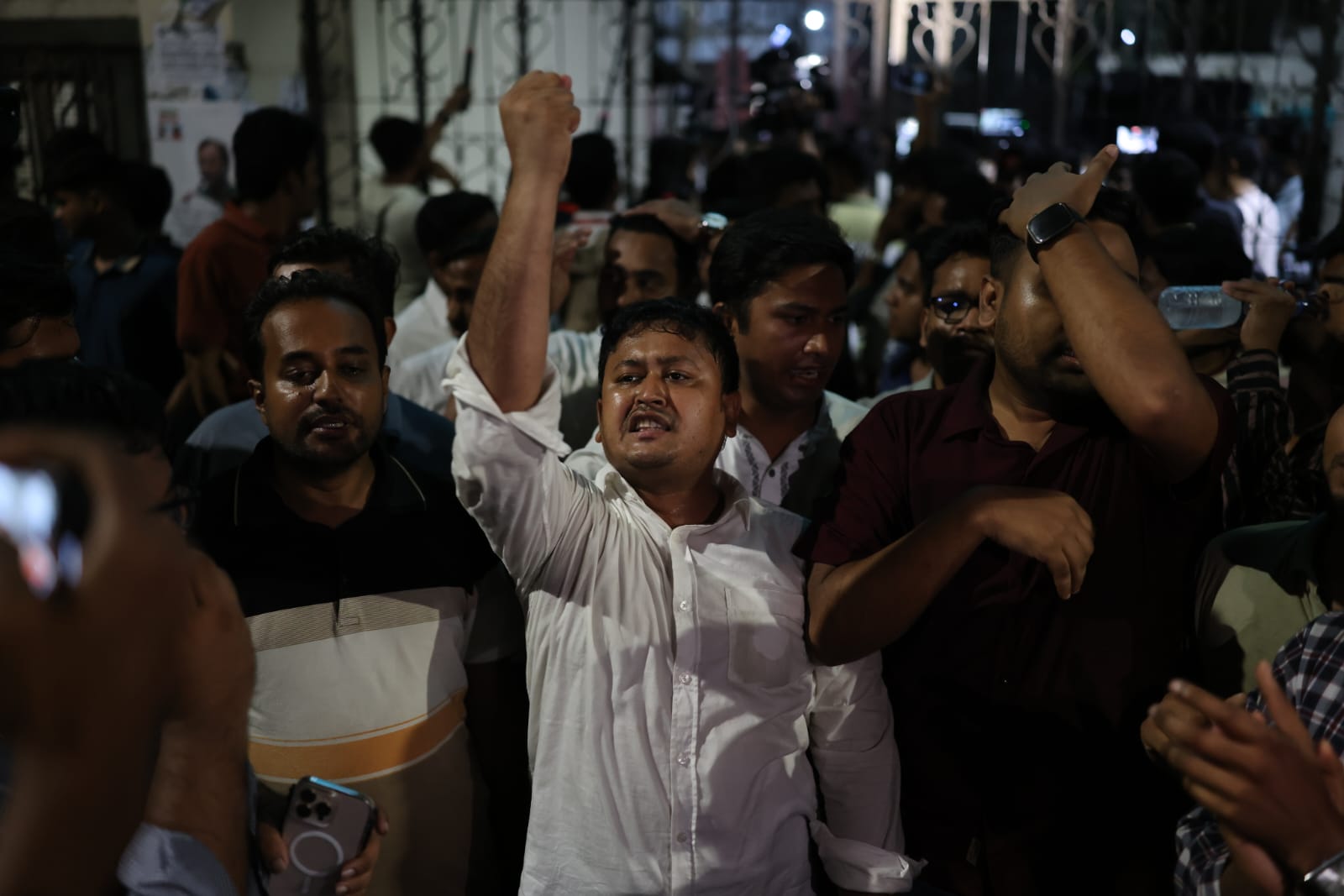
Violence first broke out at Chattogram Government City College on Tuesday, where clashes between the two groups left tensions running high. The fallout quickly spread nationwide. On Wednesday, JCD activists carried out coordinated graffiti campaigns at campuses including University of Dhaka, Jahangirnagar University, University of Chittagong and Jagannath University.
Walls at key locations in Dhaka University — including Madhur Canteen, Arts Building and areas adjacent to Ducsu complex — were marked with slogans opposing what JCD described as “covert politics”. Similar graffiti reading “We seek refuge from the covert” appeared at Jahangirnagar and Chittagong University, while in Jagannath University, slogans such as “Those who operate covertly belong in Pakistan” were written on walls.
Mallik Wasi Uddin Tami, office secretary of Dhaka University JCD, told TIMES of Bangladesh that the graffiti campaign was not centrally directed.
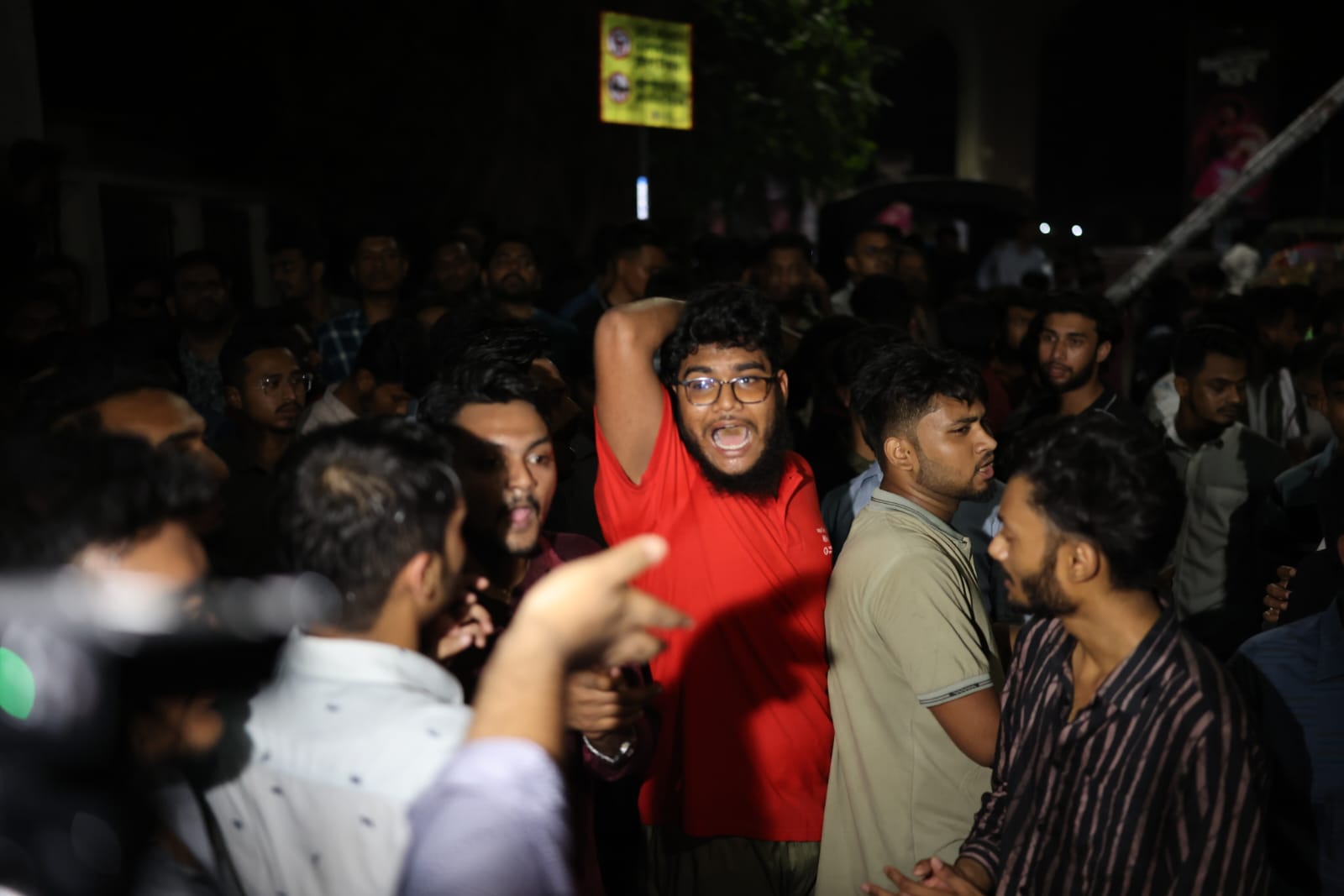
“This was not a central programme. Activists carried it out on their own in protest against Shibir’s activities,” he said.
Amid the escalating rivalry, many ordinary students have expressed frustration and concern. A student from the Mass Communication and Journalism Department at Dhaka University said the campus atmosphere was becoming increasingly unsettling.

“We wanted a campus free from domination. But the tearing down of graffiti and counter-chases are bringing back fears of the violent student politics of the past,” the student said.
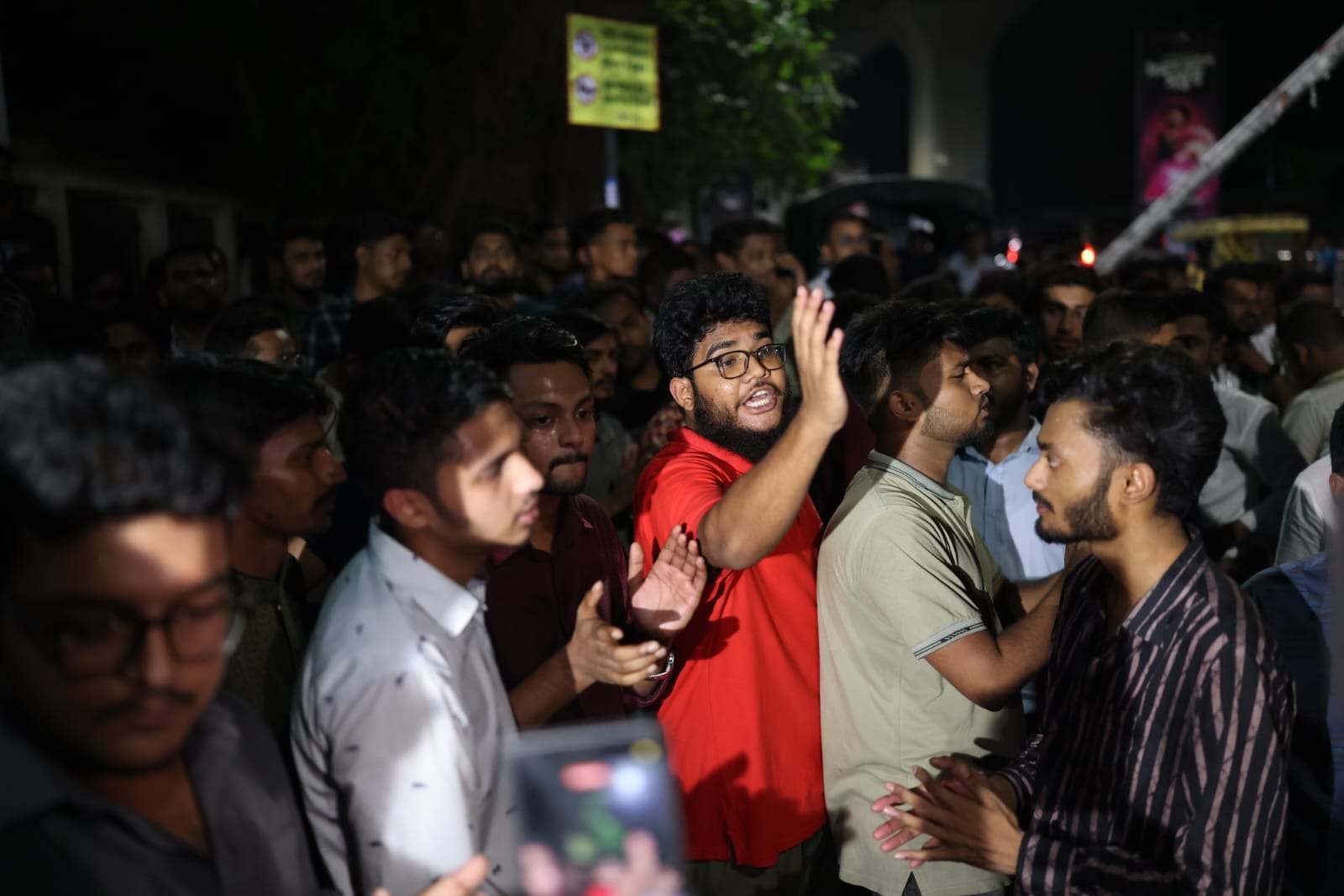
Professor Sabbir Ahmed of Political Science Department at Dhaka University said both groups were competing for dominance.
“Each side wants to establish control on campus. This struggle for supremacy is driving the conflict, and violence may increase in the coming days,” he warned.
‘Covert politics’ becomes new flashpoint
JCD’s recent characterisation of Shibir as a “covert organisation” has intensified hostilities. The group’s general secretary, Nasir Uddin, alleged that since 5 August, Shibir has been pursuing a strategy of political divide.
He claimed Shibir was mobilising ordinary students to create “mobs” against JCD and was spreading misinformation about BNP’s top leadership.
Shibir, however, has rejected the allegation. Its central president, Zahidul Islam, said the claims were part of a propaganda campaign aimed at constructing a narrative against his organisation.




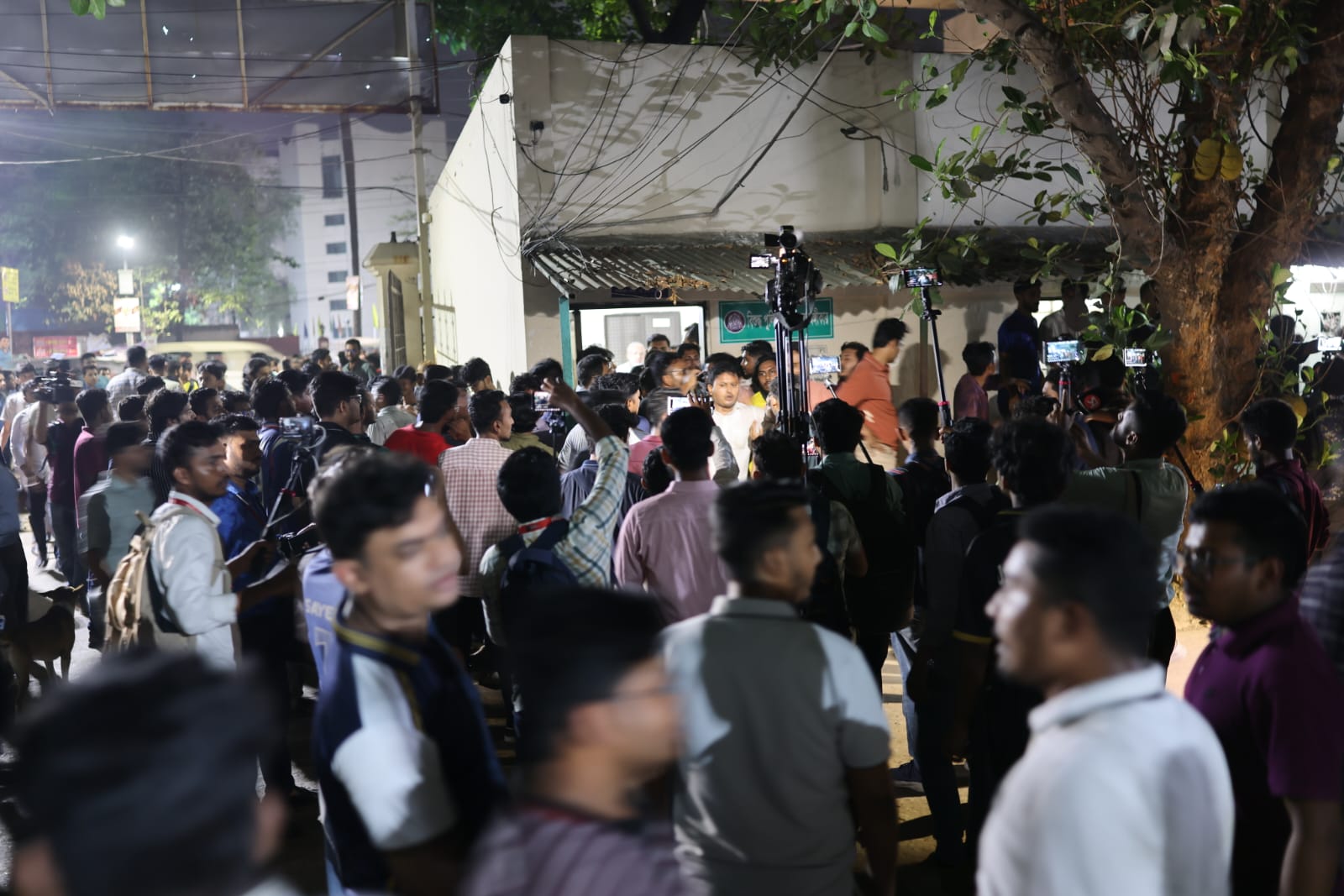
Historically, the two student groups were closely aligned. After the BNP-Jamaat alliance formed in 1999 during the Awami League government, JCD and Shibir often worked together. In early 2001, both groups were part of a 10-party student alliance led by JCD that campaigned for the government’s resignation.
The relationship began to shift after the BNP-Jamaat alliance fractured in late 2022. In September 2023, JCD led the formation of a new 15-party “anti-fascist student alliance”, notably excluding Shibir.
Since the departure of Chhatra League from campuses, both organisations have been competing to expand their influence. Differences deepened further during the interim government period, when BNP pushed for quick elections while Jamaat emphasised state reform. Disputes also emerged over claims of credit for the July uprising, fuelling tensions at the grassroots level.
Warnings and counter-warnings
Following the Chattogram clashes, Chhatra Dal issued a warning to Shibir. Speaking after a protest at Dhaka University on Tuesday night, its general secretary Nasir Uddin Nasir said further attacks would not be tolerated.
“If you attempt to repeat such attacks on any campus, Chhatra Dal activists will not allow you to move freely,” he said.
Mehedi Hasan, international affairs secretary of Dhaka University JCD, accused Shibir of long-running covert operations.
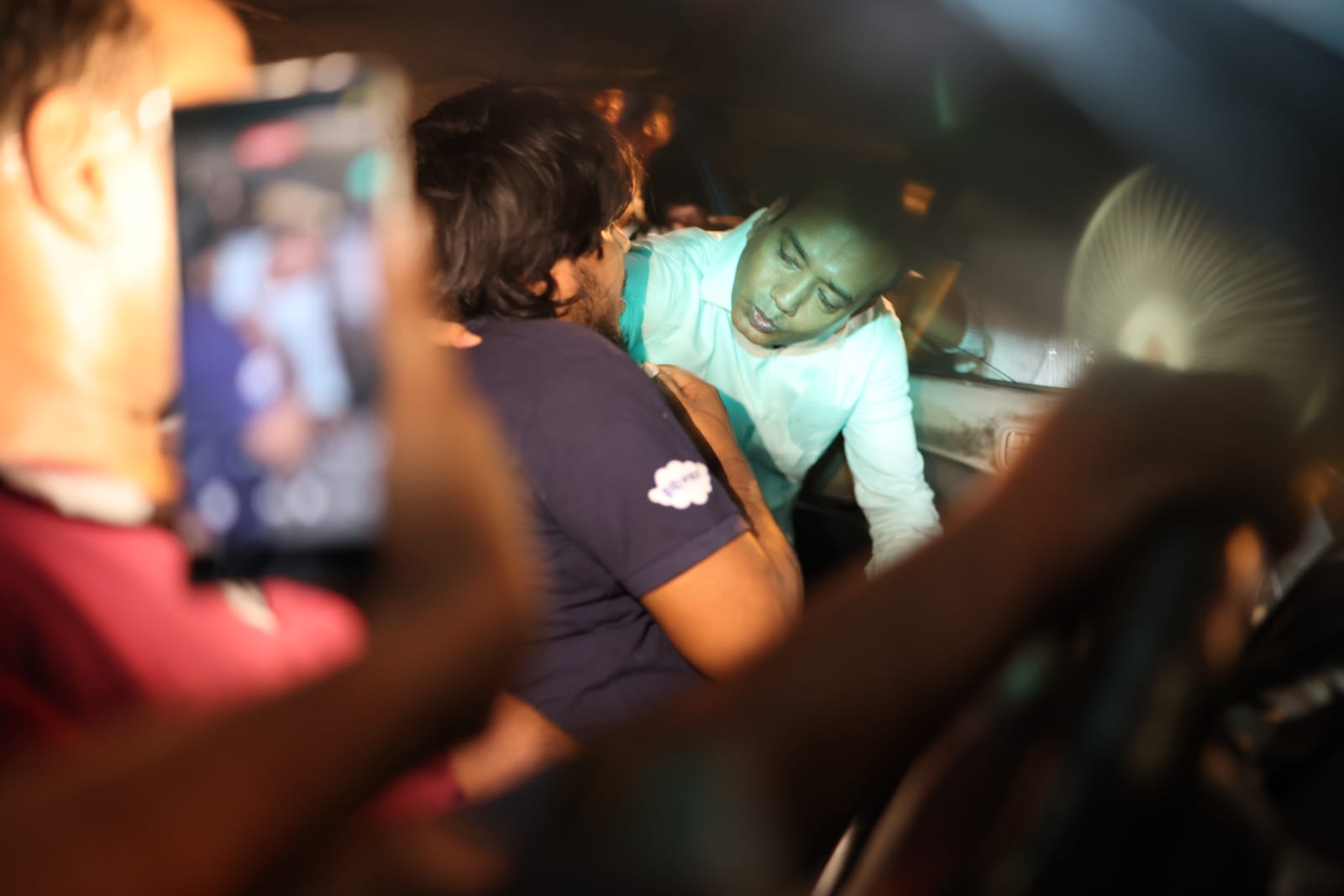
“They have misled students and incited mobs in many places. Even in a time of global crisis, they have not stopped. If they act against students’ interests, they will be resisted,” he told TIMES.
Shibir leaders insist they do not want confrontation. They say their focus is on reforming student politics, though they have also warned they will respond if attacked.
Al Maruf, office secretary of Dhaka University Shibir, said, “We do not want conflict. Their politics is muscle-driven. We will continue our work in our own way.”
Tension grips Chattogram college
The situation at Chattogram Government City College remains tense following the initial clash, which was reportedly triggered by the writing of the word “covert” over an existing piece of graffiti.
Authorities have closed the college and suspended classes and examinations to prevent further violence. The campus is largely deserted, with a heavy police presence both inside and around the campus. Entry points are under strict surveillance, with particular attention to suspicious movements.
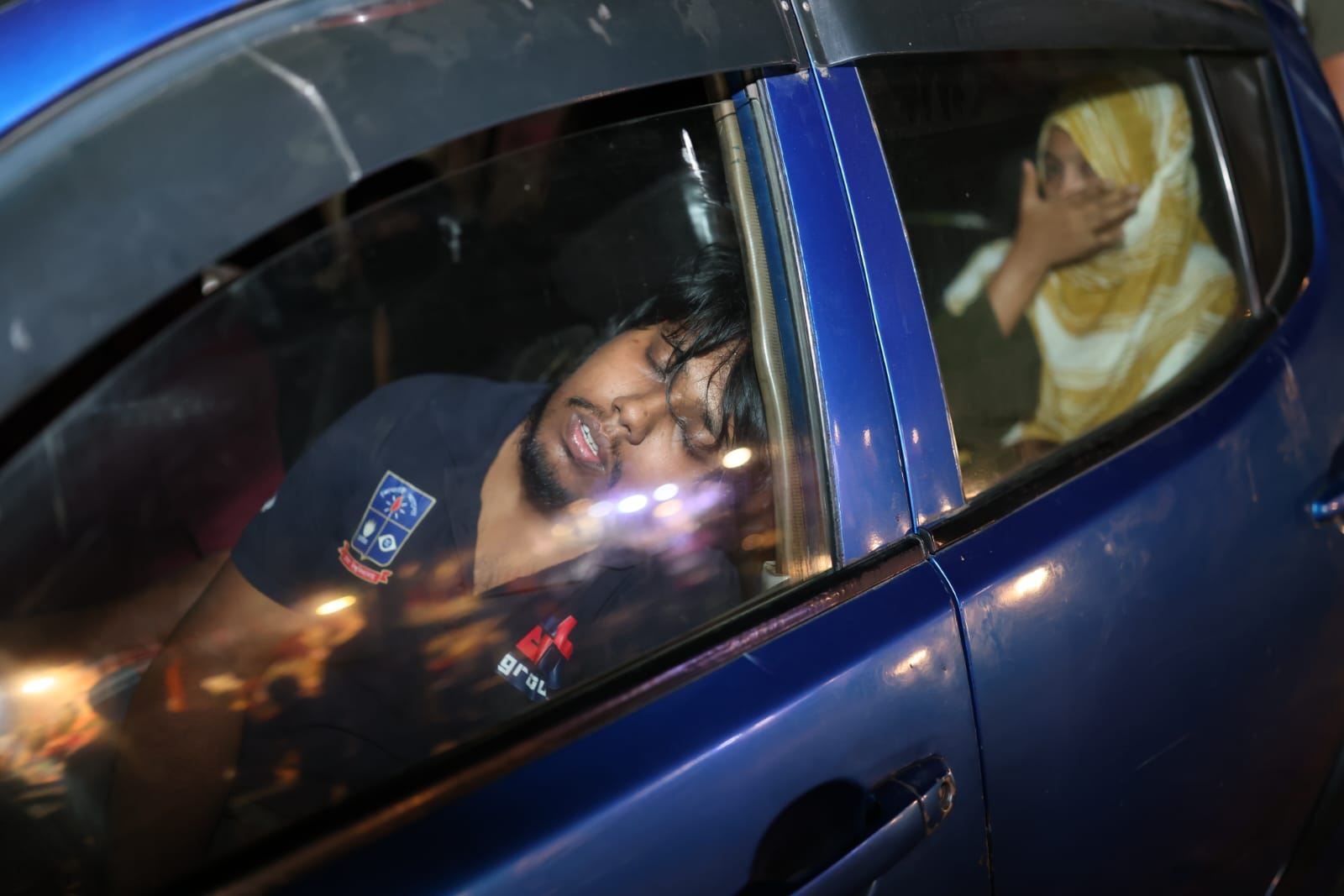
Officer-in-charge Kazi Mohammad Mahfuz Hasan Siddiqui of Sadarghat police station said law enforcement was on high alert to prevent further clashes.
College vice-principal Jasim Uddin said steps were being taken to ensure upcoming examinations proceed smoothly.
“Honours first-year exams under the National University begin on Saturday. Our vigilance team will ensure no outsiders can enter the campus,” he said, adding that classes may resume from Sunday.
How the violence unfolded
The clash at City College stemmed from a dispute over graffiti. A wall previously bearing the phrase “campus free from student politics and Chhatra League” was altered on Monday when the word “student” was erased and replaced with “covert”.
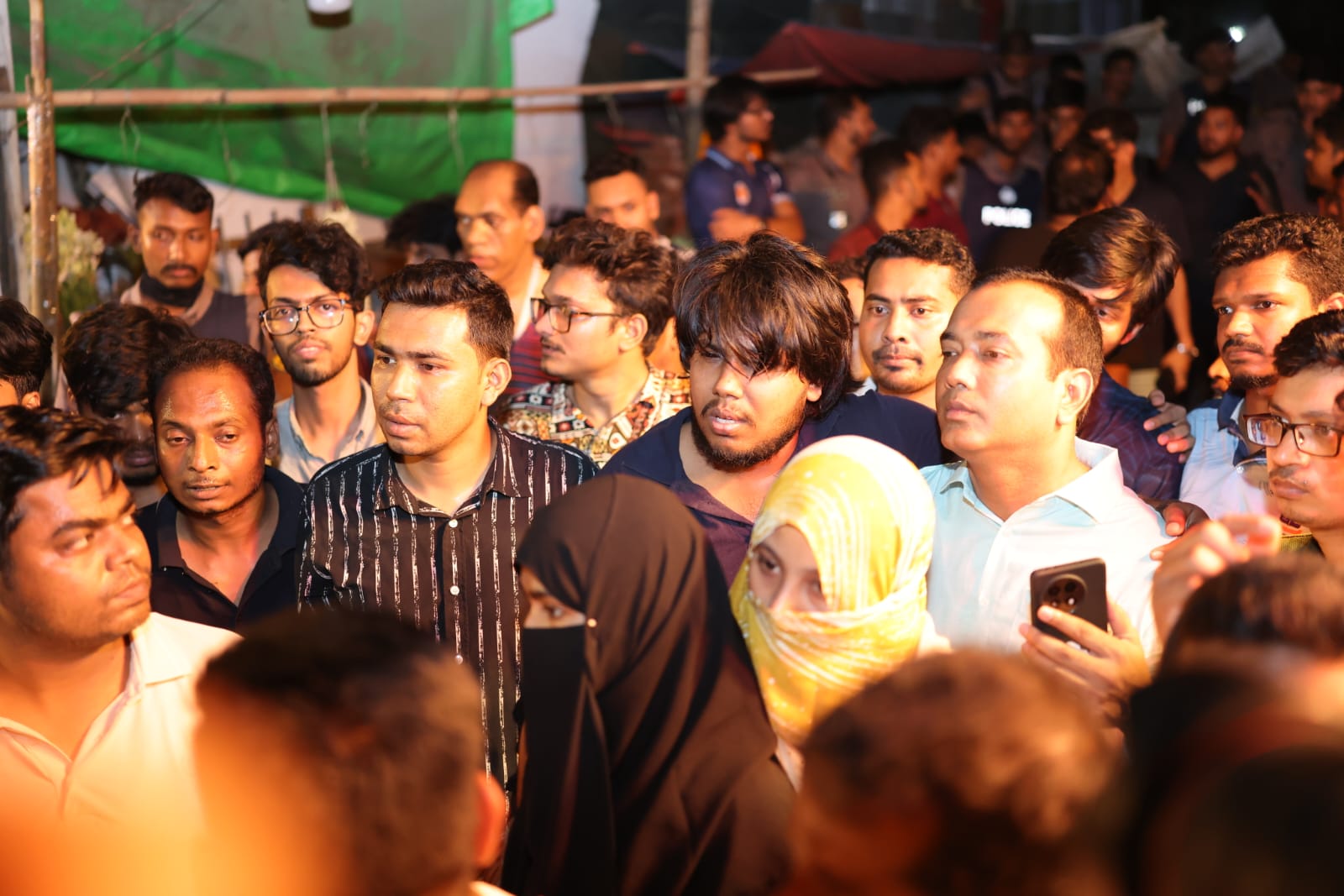
What began as online mockery escalated into banner-tearing and accusations, eventually culminating in repeated clashes on Tuesday. Media images showed participants carrying sharp weapons and sticks.
Following the violence, central leaders from both student organisations visited Chattogram.
Fresh tensions in Dhaka
Meanwhile, tensions also flared in Dhaka’s Shahbagh police station area on Thursday evening after a Facebook post allegedly mocking Zaima Rahman, daughter of Prime Minister Tarique Rahman.
Eight people, including members of Shibir, Dhaka University students and journalists, are receiving treatment at Dhaka Medical College Hospital after being injured in an alleged attack by JCD activists inside Shahbagh police station.
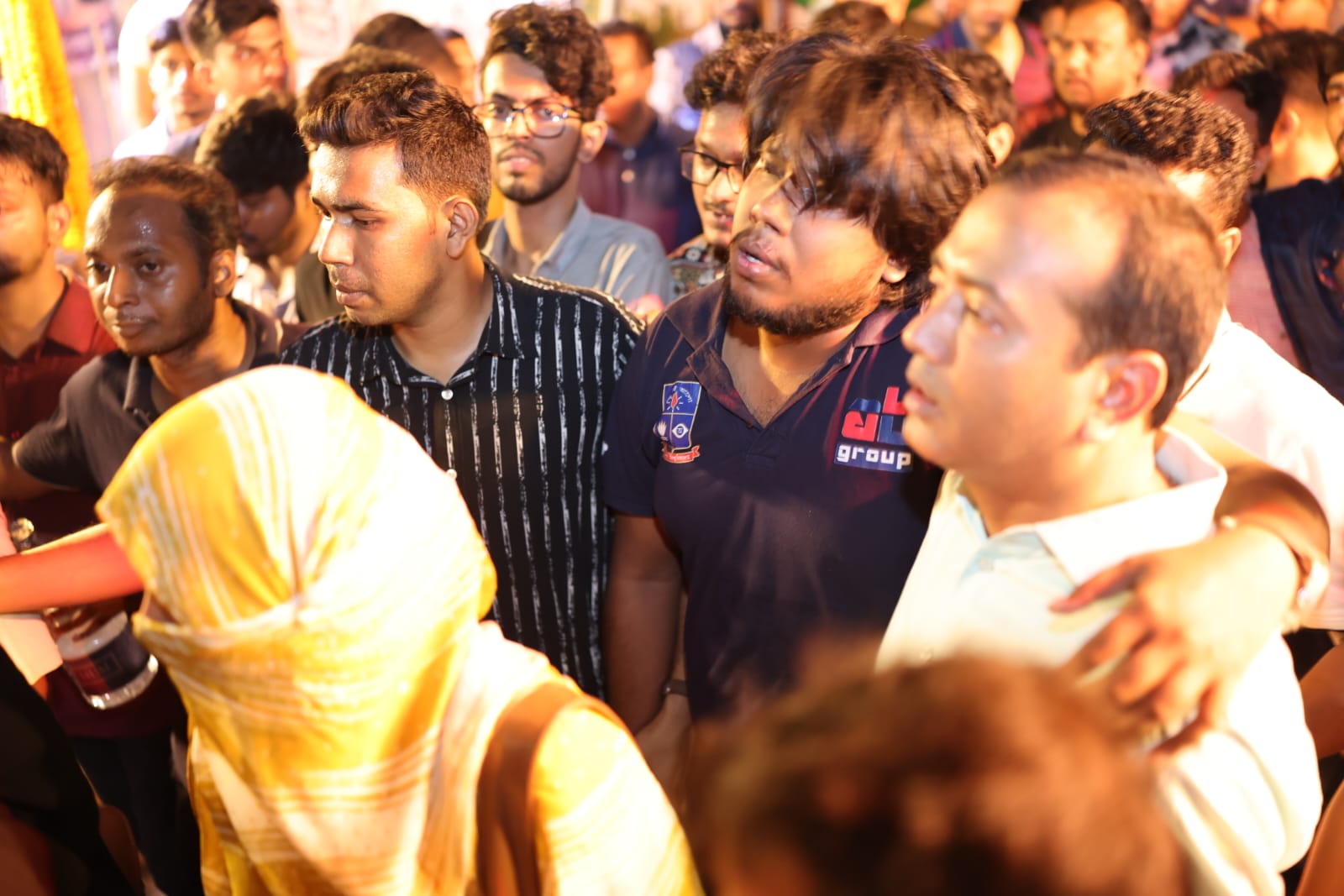
The incident was reportedly triggered by a social media post concerning Prime Minister Tarique Rahman’s daughter Zaima Rahman, which heightened tensions between the two student organisations.
Those injured include AB Zubair, 22, social welfare secretary of DUCSU, who sustained minor head injuries; Mosaddeq, 23, DUCSU’s literary and cultural affairs secretary, also with minor head injuries; Tanzim, 21, a Dhaka University student; Sifat, 20, a student and journalist; Liton, 21, also a student and journalist; Khalid, 21, a student journalist; Debashish, 24, a student; and Albi, 22, another student.