
What began as an insult has become a rallying cry. When some of India’s unemployed youth were likened to “cockroaches” earlier this year, few could have predicted that the word would evolve into one of the country’s most powerful youth-led protest movements in recent memory.
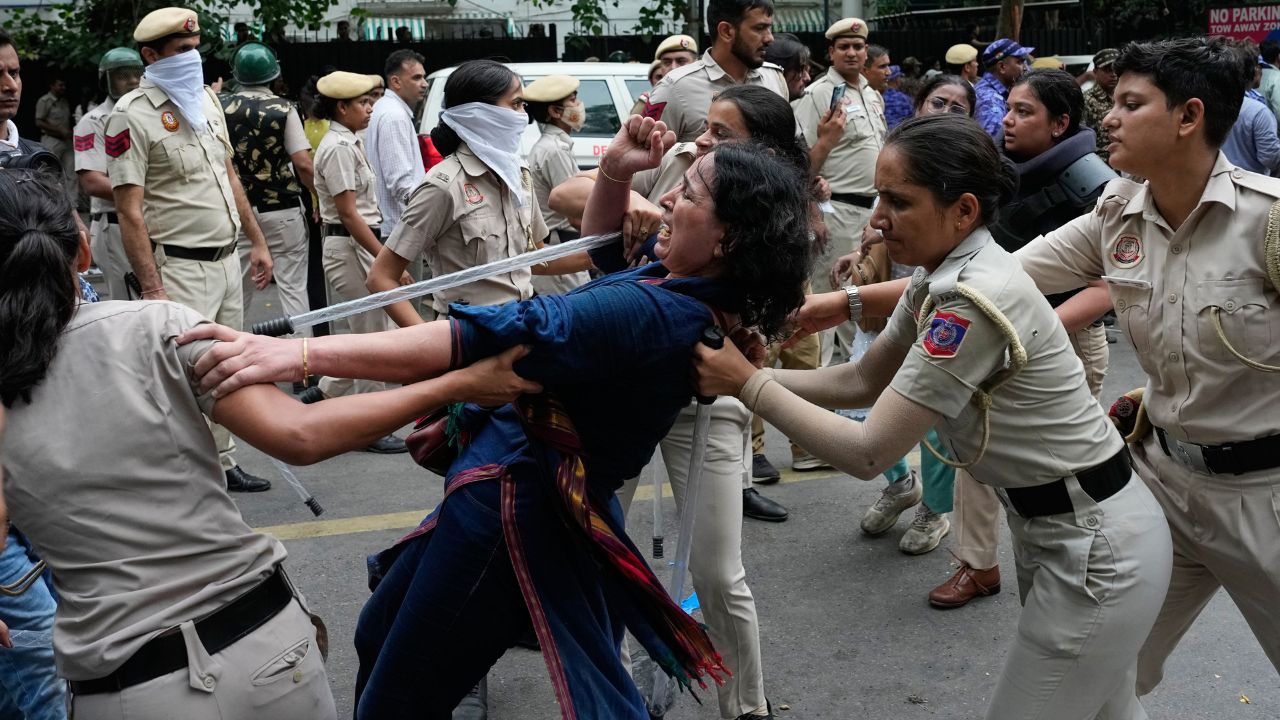
Today, the Cockroach movement has spilled from social media feeds onto the streets of New Delhi, drawing thousands of students and young professionals demanding accountability, educational reforms, and dignity.
The movement, popularly known as the Cockroach Janta Party (CJP), was born in May as political satire. Young Indians embraced the label they had been mocked with, turning it into a symbol of resilience. Their message was simple: If society sees them as pests, they will become impossible to ignore.
At first, the movement thrived online through memes, satire, and sharp political commentary. But beneath the humour lay a deeper frustration. For millions of young Indians, the promise of social mobility through education has increasingly given way to anxiety.

Repeated examination paper leaks, allegations of corruption in recruitment processes, and an increasingly competitive job market have left many questioning whether merit still matters.
The latest chapter of the movement unfolded this week in India’s capital. Thousands gathered in New Delhi in an attempt to march towards Parliament, demanding the resignation of Education Minister Dharmendra Pradhan and sweeping reforms to India’s examination system.

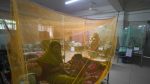


Police denied permission for the march and responded with tear gas and batons after protesters attempted to breach barricades. Images of young demonstrators facing riot police have since spread across social media, drawing both criticism and solidarity. Yet, the crackdown appears to have strengthened rather than weakened the movement.

Supporters from across India have been sending food, medical supplies and financial assistance to protesters camped in Delhi. What was once dismissed as an internet phenomenon has become an organised movement sustained by volunteers working around the clock.
Students, working professionals and families have joined the demonstrations, transforming a youth protest into a broader expression of public discontent.
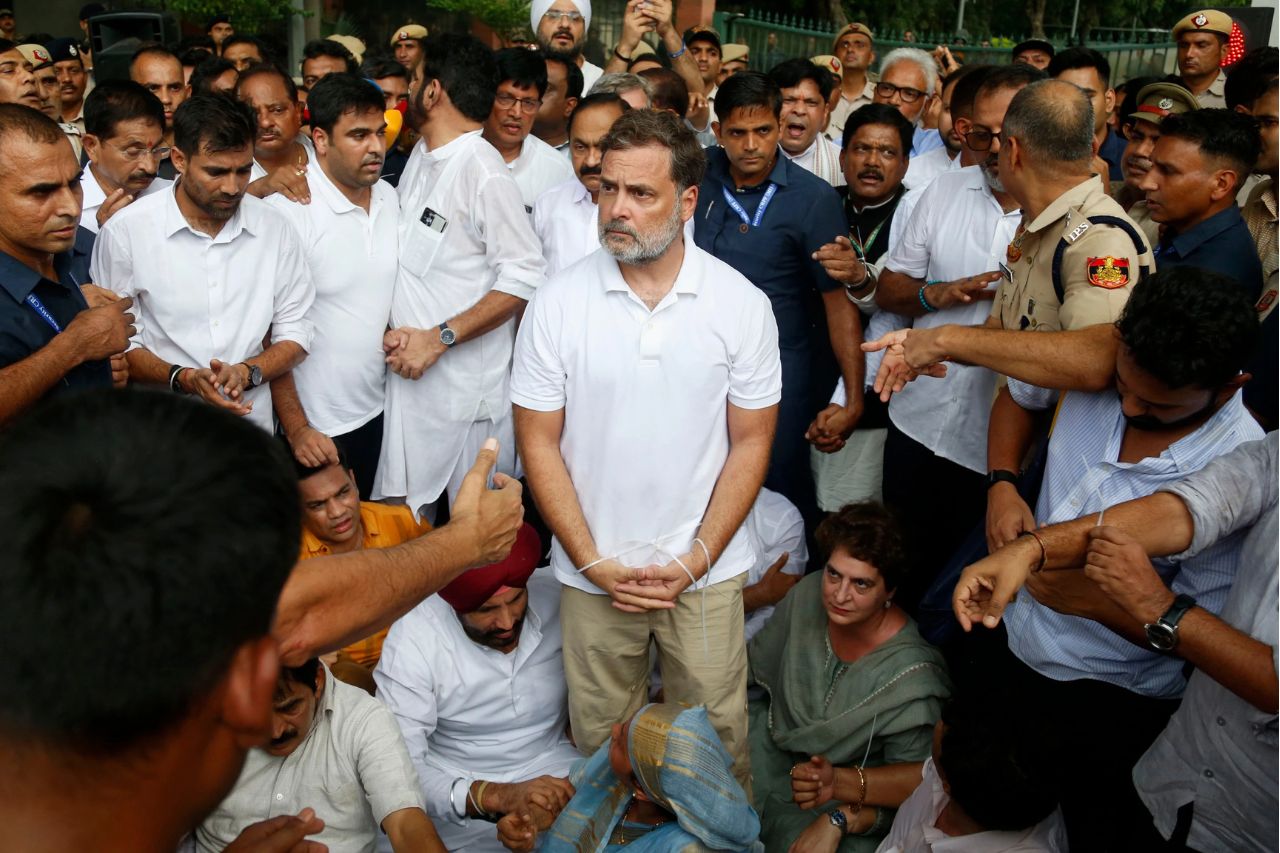
The movement has also found political resonance. Opposition leaders have expressed solidarity with the protesters, while rights groups have criticised the police response. The government, meanwhile, has signalled a willingness to engage in dialogue, though protesters insist promises alone are no longer enough.
Perhaps the Cockroach Movement’s greatest significance lies beyond its immediate demands. It reflects a generation unwilling to remain politically disengaged. India’s young people constitute one of the world’s largest youth populations, yet many are increasingly anxious about unemployment, rising competition, and shrinking opportunities.
The cockroach, after all, is famous for surviving against impossible odds. By embracing the name intended to diminish them, India’s young protesters have created something unexpectedly powerful: A movement that refuses to disappear.
Whether it leads to meaningful reforms remains uncertain. What is already clear, however, is that India’s youth are determined to be heard.