
Right in the middle of Dhaka’s busy Mohammadpur area sits Geneva Camp, a settlement where tens of thousands of Bihari families are crammed onto a small, decaying strip of land. Spread across such limited space, the camp’s actual population remains a matter of dispute.
The government has not released a separate official count. Camp authorities, working from registered voter numbers under a local Bangladesh Bureau of Statistics survey, put the figure at somewhere between 30,000 and 35,000. Institutional research and independent field studies, however, place the real number considerably higher, between 40,000 and 50,000.
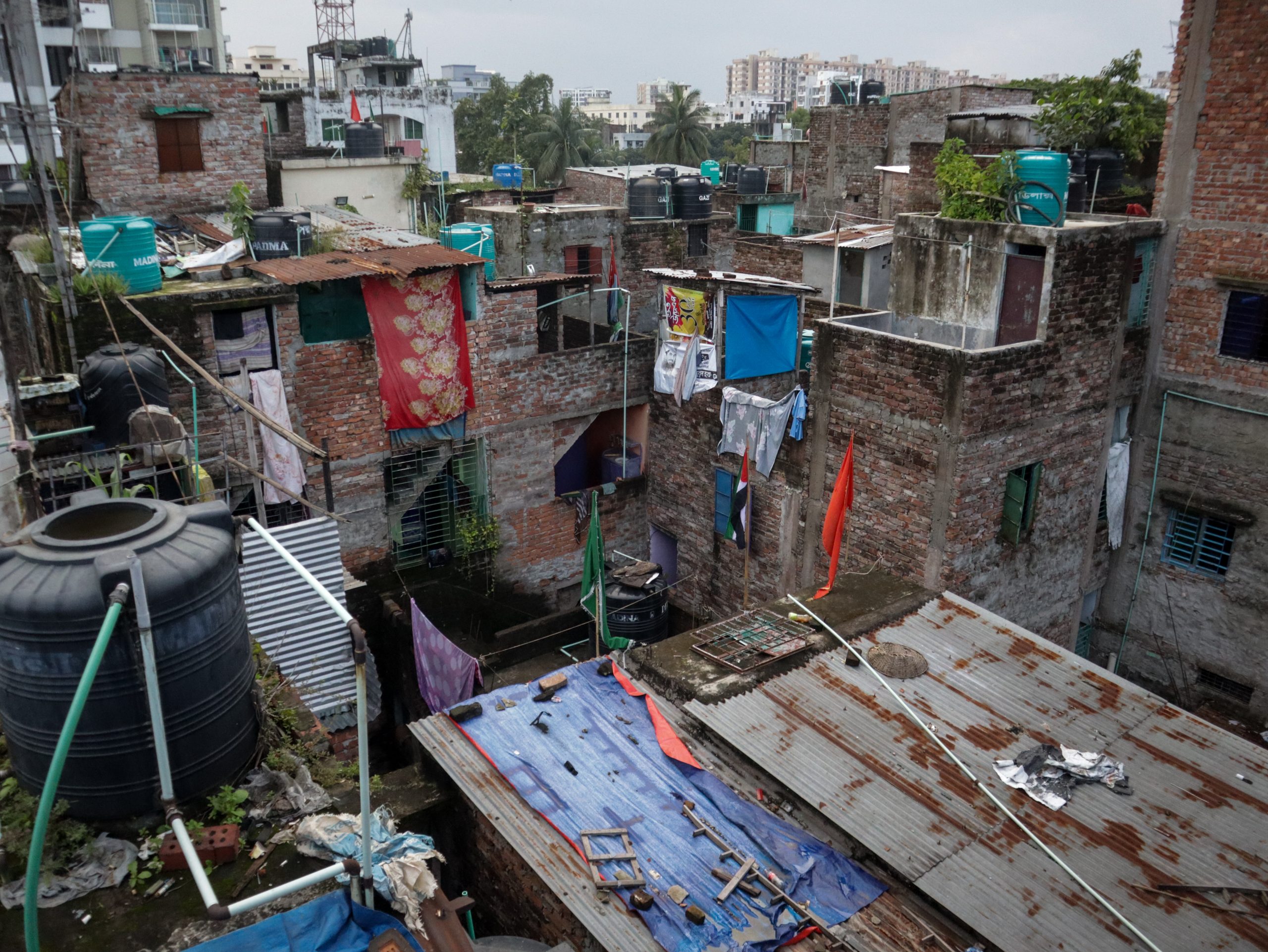
For decades, generations have lived here largely cut off from basic rights and, in the eyes of many residents, forgotten by the world outside.
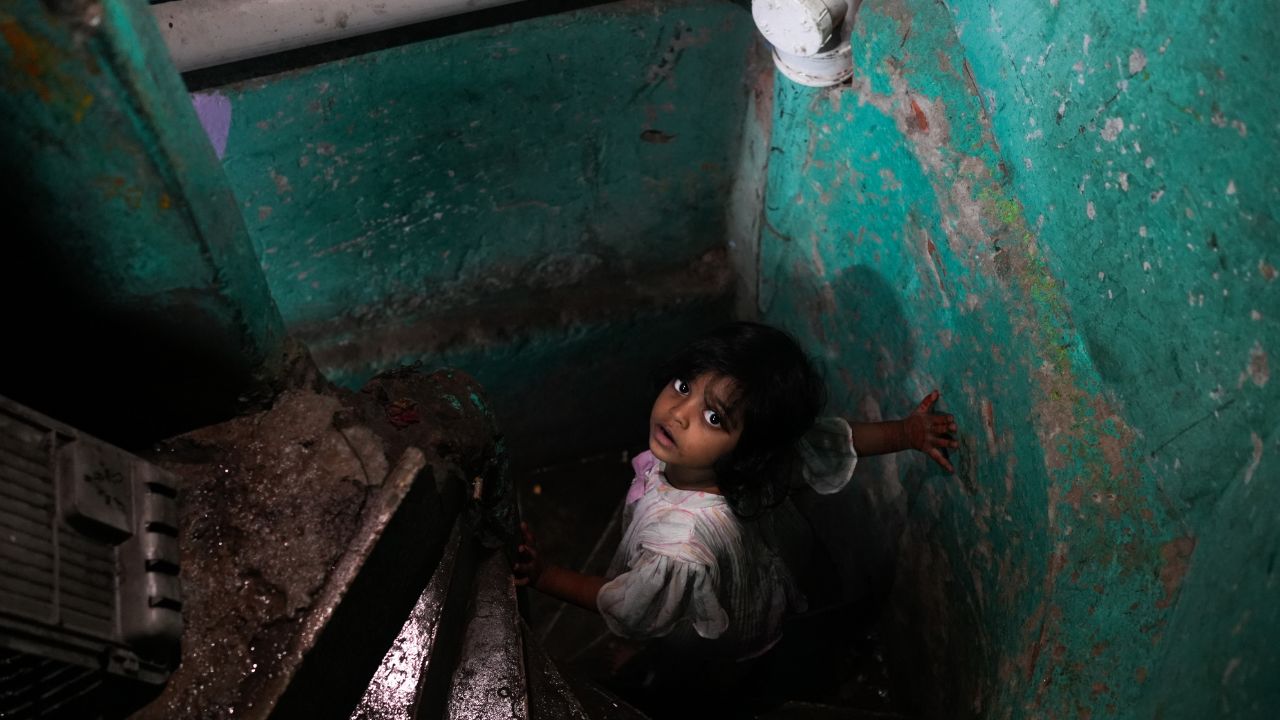
Walking through the camp is an exercise in claustrophobia. The alleys are narrow and winding, dimly lit even by day, leading to crumbling staircases where sunlight rarely reaches.

Inside the ageing structures, entire families of seven or eight people sleep, eat and live within single rooms measuring roughly eight feet by eight feet. It is not unusual to find three generations sharing that same space, with no privacy and barely room to move.
Daily life compounds the discomfort. None of the rooms have attached toilets, forcing residents to rely entirely on shared public latrines.




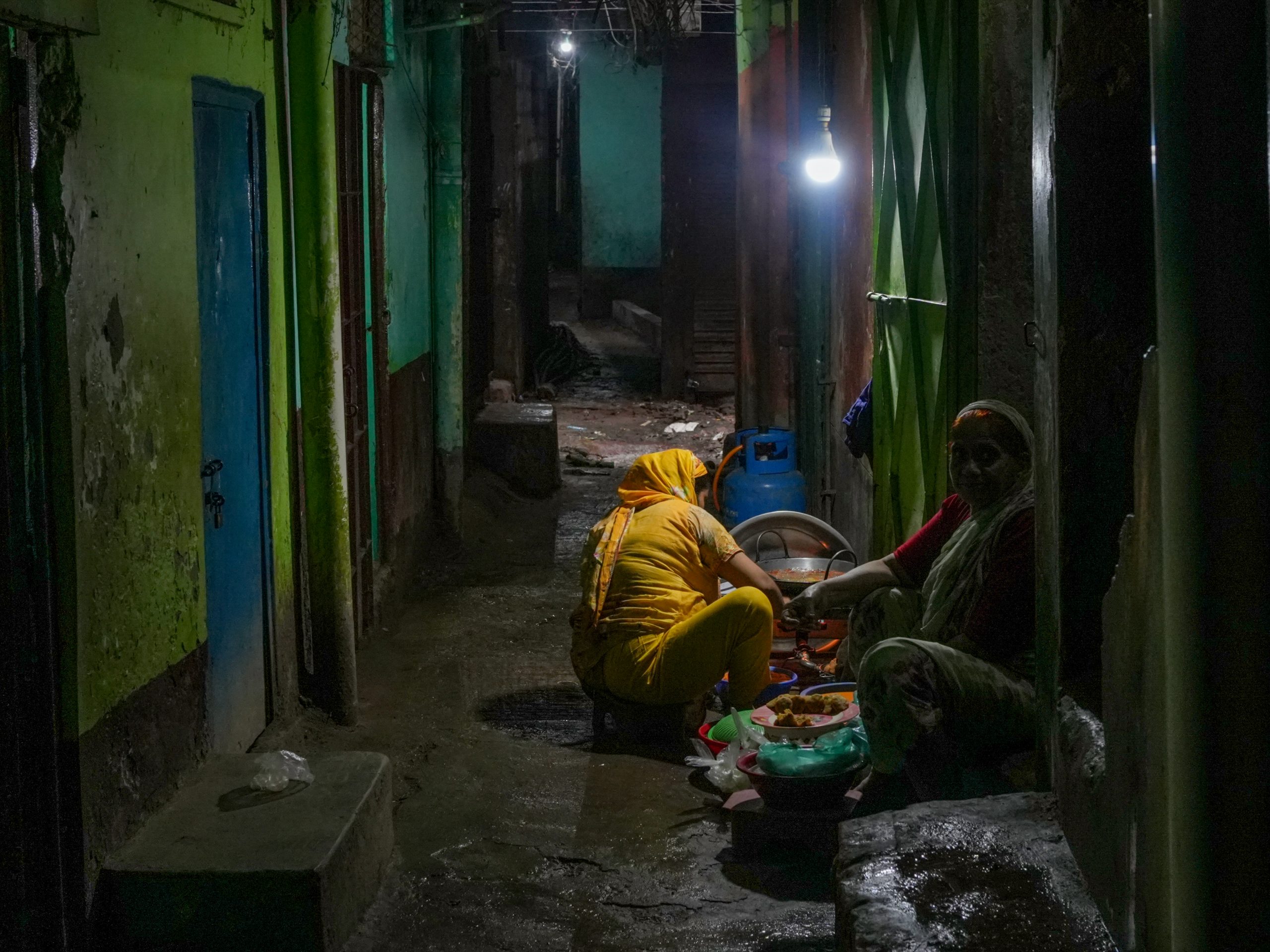
Proper kitchens and piped gas connections are largely absent, leaving families to cook using small LPG cylinders, portable stoves, or improvised firewood burners inside their already cramped quarters.
The tap water supplied to the camp carries a persistent foul smell, yet with no alternative, residents continue drinking and cooking with it, risking their health daily.
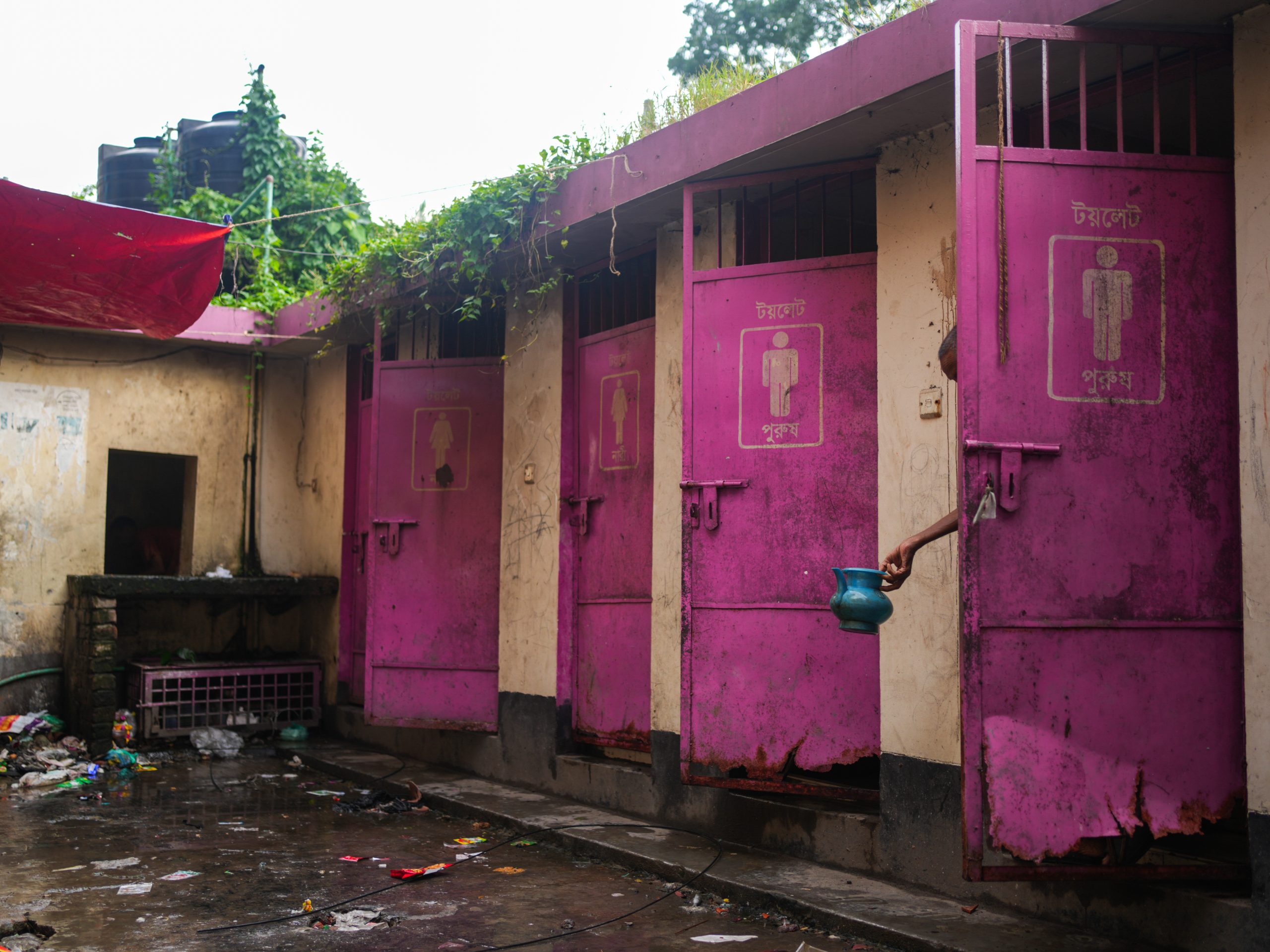
Complaints to local authorities and Dhaka City Corporation about overflowing sewage and uncollected garbage have been raised repeatedly over the years, residents say, without any lasting response.
The hardest consequence to accept may be what camp life means for its children. Geneva Camp has no proper schools of its own, leaving young residents with little realistic path to a better future.
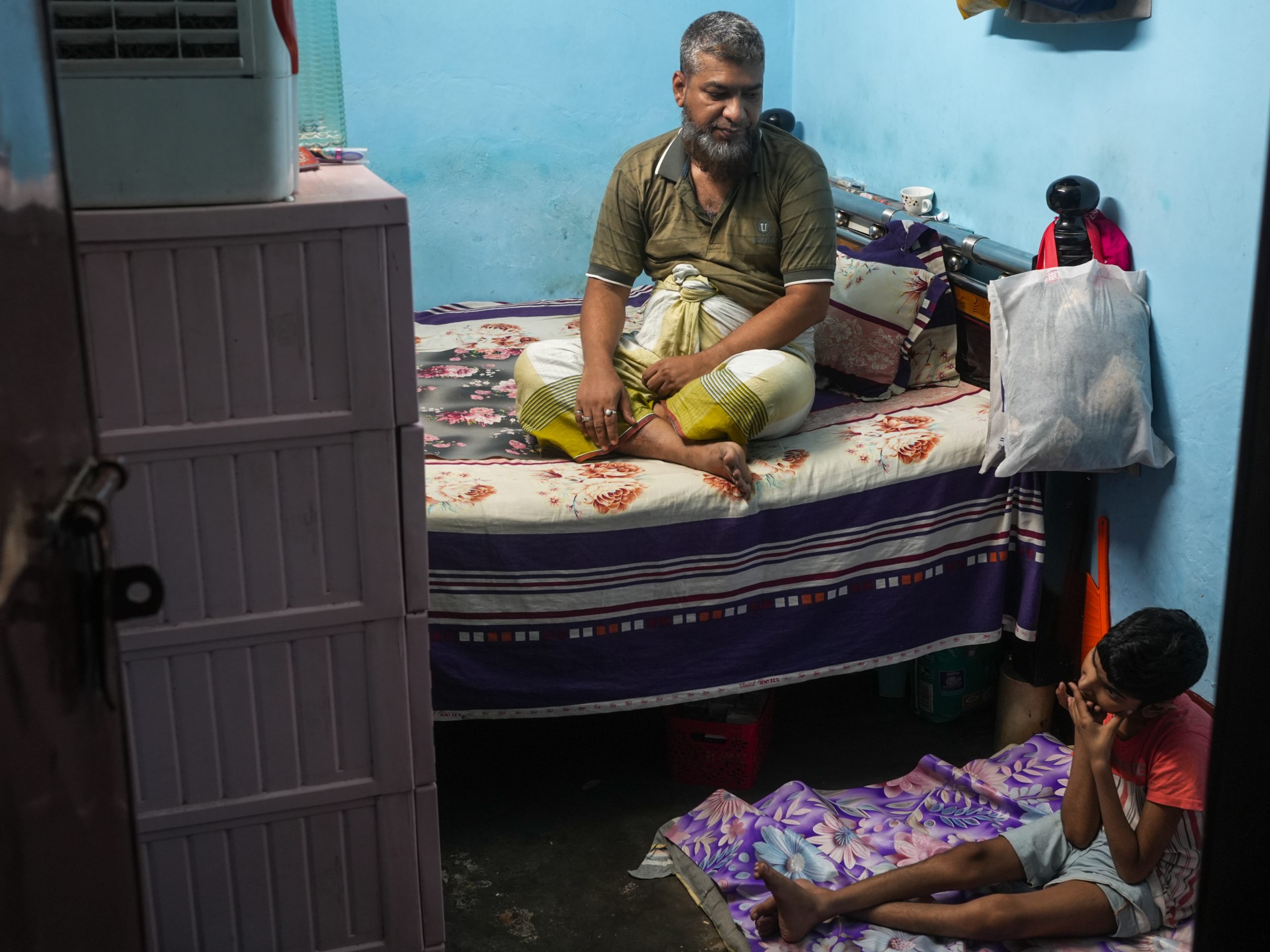
Without access to education, the cycle of poverty and marginalisation continues largely uninterrupted from one generation to the next.
As year after year passes without a resolution in sight, the same question persists across Geneva Camp’s dark, narrow alleys: Whether life here will ever meaningfully change.
For the generations of Biharis who have known nothing else, the uncertainty of that answer has itself become part of what they live with.