A man with a scraggly beard clutching a “WILL WORK FOR FOOD” sign. A woman in worn-out clothes muttering as she pushes a cart of her belongings down the street. Families sleeping under freeway overpasses, shielded only by strips of cardboard.
These are the images most people associate with homelessness. They are the visible faces many rush past daily, often assuming their plight stems from poor choices or addiction, says a report of CNN.
But that narrative is misleading, says Brian Goldstone, author of “There Is No Place for Us: Working and Homeless in America.”
According to him, the people on the streets represent only a fraction of the crisis. The majority live in what he calls a “shadow realm”, invisible to most Americans.

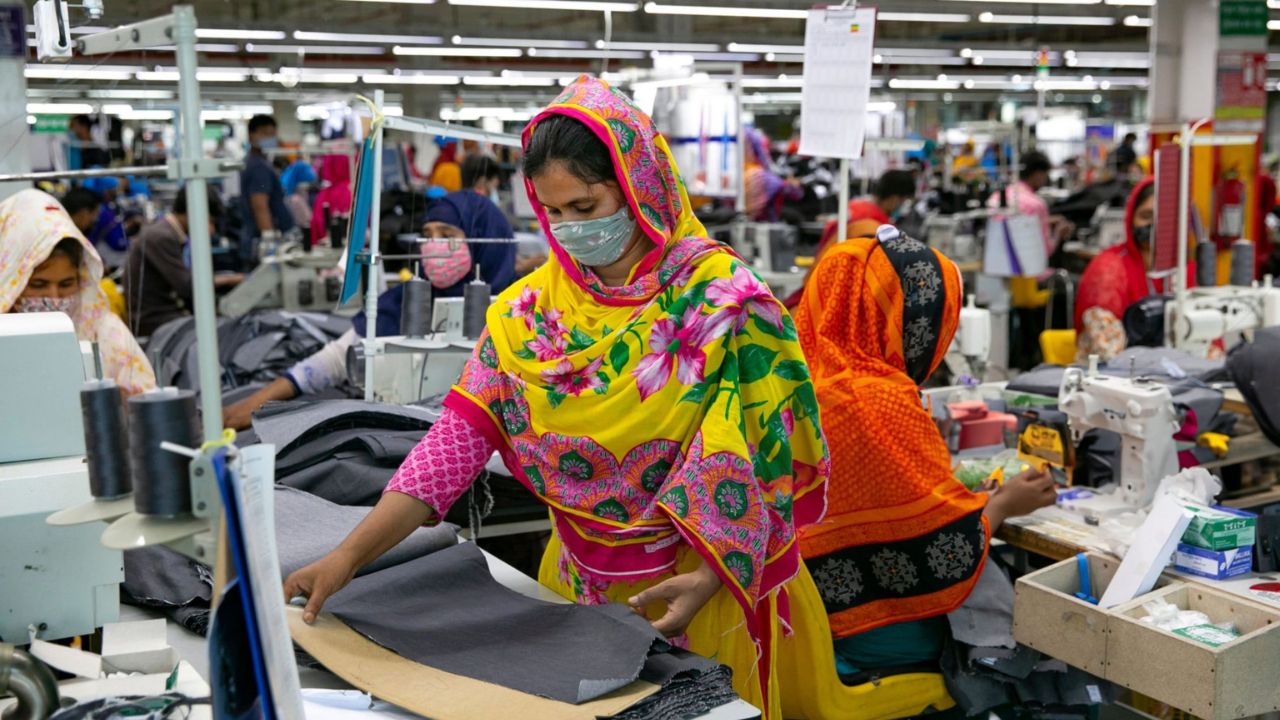
They hold jobs at Amazon warehouses, supermarkets, daycare centers, or drive for DoorDash, yet lack stable housing.
Goldstone argues that homelessness is not a sudden fall but the result of systemic pressures: skyrocketing housing costs, stagnant wages, and a fraying social safety net. In fact, there is no state, city, or county in the US where a full-time worker earning minimum wage can afford a two-bedroom home at fair market rent.
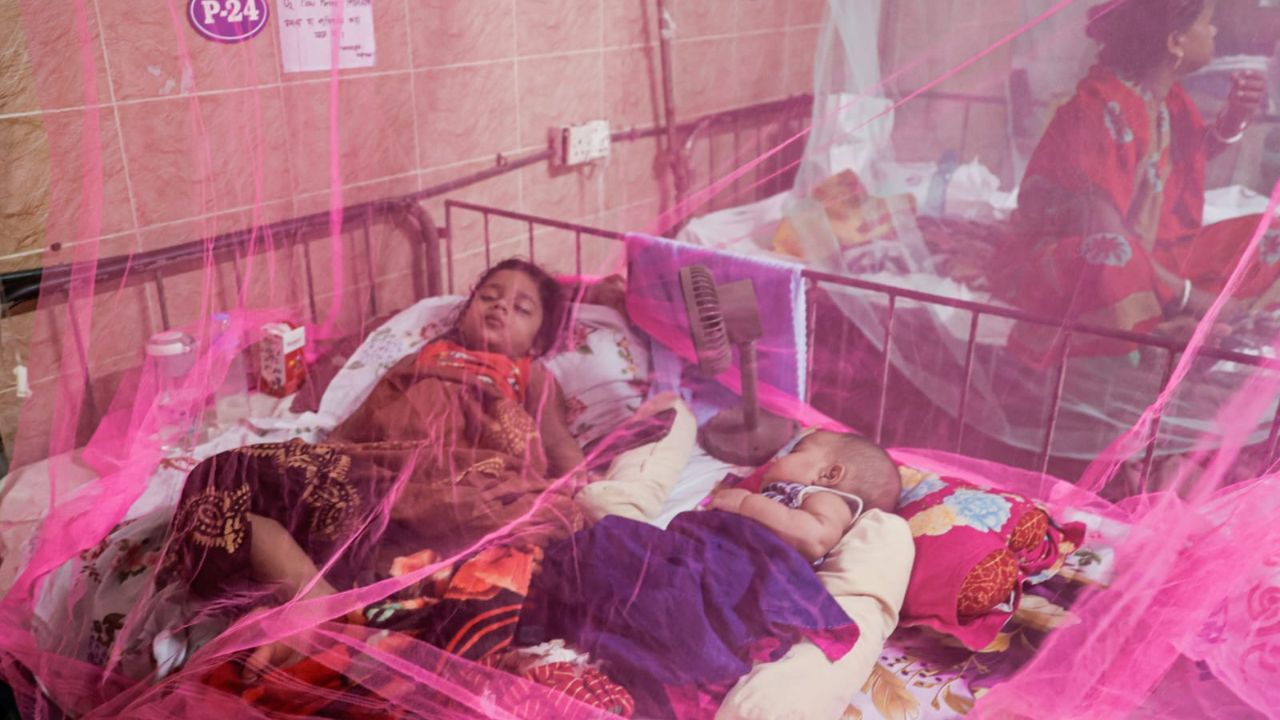


He describes homelessness as a “spectrum of insecurity,” encompassing people living in cars, rundown motels, or crowded apartments with relatives. Official statistics often exclude these groups, but Goldstone estimates that more than four million Americans are deprived of housing. Families with children, he says, likely make up the majority.
His book follows five working-class families in Atlanta, resilient and hardworking yet trapped in what one case manager calls the “housing hunger games.”
They face endless waiting lists, predatory landlords, and roach-infested motels functioning as de facto shelters.
Among them is “Celeste”, a pseudonym, a single mother of three who juggled multiple jobs and even launched a food business. Her life unraveled after an arsonist destroyed her rental home, the property’s private equity owner withheld her deposit while demanding rent, and she was diagnosed with ovarian and breast cancer.
Goldstone notes that Celeste’s story mirrors countless others across the country, especially in gentrifying cities where affordable housing is replaced by luxury developments. “In these places, a low-wage job is homelessness waiting to happen,” he writes. Even minor setbacks — car trouble, childcare disruptions, or illness — can prove catastrophic.
After nearly six years of reporting, Goldstone’s book has drawn praise from Barack Obama and was named among the year’s best by The New York Times and The Atlantic. Reviewers hail his storytelling as both clear-eyed and compassionate.
In Atlanta, where Goldstone lives with his family, he revisited one of the budget motels featured in his book. Families described it as plagued by rodents, roaches, and leaking ceilings.
Yet, he points out, the rates there are higher than apartments across the street. “Once people are forced into places like this, owners know they have no alternatives, so the prices keep climbing,” he says.