The government of India’s Arunachal Pradesh has sealed 15 mosque sites in the Itanagar Capital Region following concerns raised by indigenous groups over illegal settlements and demographic changes in the state.
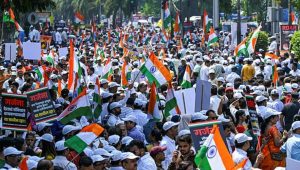
According to NDTV, the action came after growing pressure from the Arunachal Pradesh Indigenous Youth Organisation (APIYO), which has been campaigning against alleged illegal encroachments and unauthorised religious structures. The organisation earlier enforced a 24-hour bandh in the capital region and warned of further agitation if authorities failed to meet its demands.
State government spokesperson and Education Minister PD Sona said the issue first came to the government’s attention during a meeting between APIYO representatives and Chief Minister Pema Khandu in January this year.

Following the meeting, the government instructed district authorities to identify structures built without required permissions. An official survey later identified 15 unauthorised mosque structures in the Capital Complex area.
Sona said district authorities completed legal procedures before sealing or vacating 12 of the structures. He added that the remaining three cases were reviewed in a meeting between the Chief Minister and APIYO leaders on 1 June, after which authorities took further action.



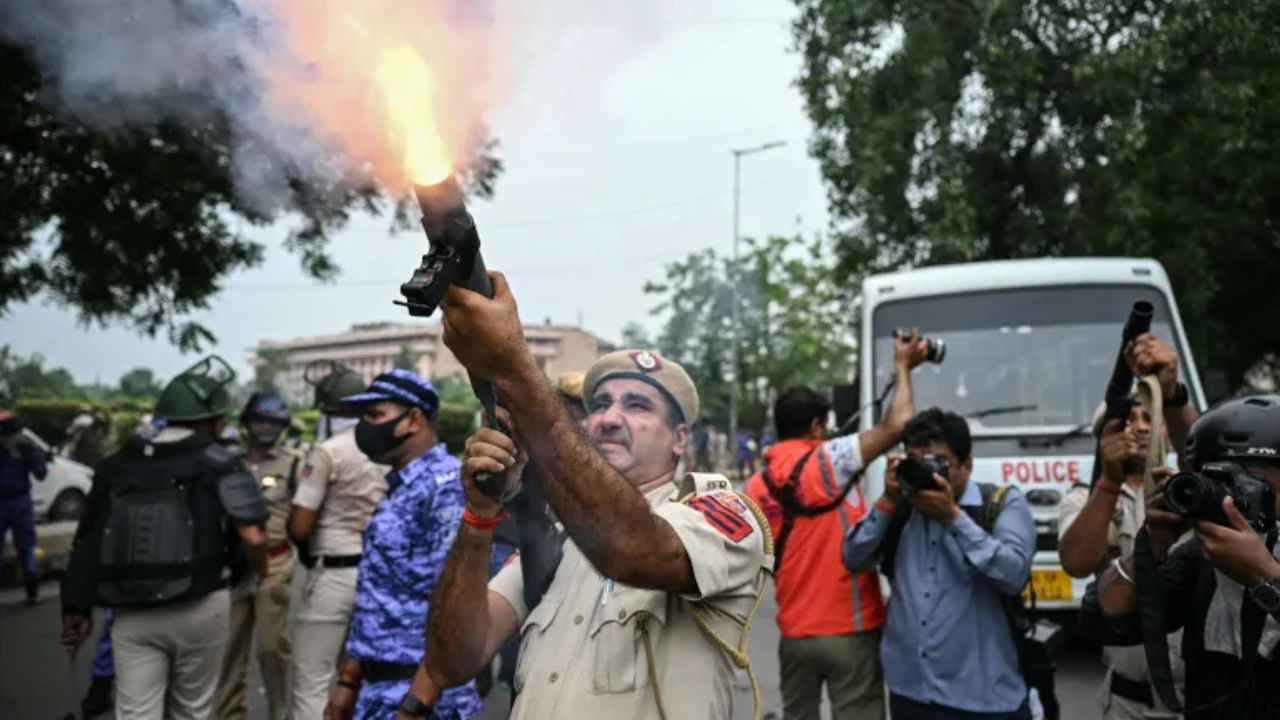
He said the concerns that led to the bandh had already been addressed through lawful administrative measures and expressed hope that the organisation would reconsider any further shutdown calls in the interest of public convenience.
The issue has sparked wider debate in India’s Arunachal Pradesh over illegal immigration, demographic changes and the protection of indigenous tribal communities. State officials acknowledged that porous interstate and international borders continue to pose challenges that require ongoing monitoring.
The controversy follows a high-level consultative meeting chaired by Chief Minister Pema Khandu in May, where student bodies, tribal organisations, civil society groups, legal experts and political parties discussed indigenous rights, demographic concerns and the regulation of the Inner Line Permit (ILP) system.
During the meeting, the Chief Minister reaffirmed the government’s commitment to protecting indigenous communities while addressing concerns over illegal immigration and demographic changes. He said such challenges were not unique to Arunachal Pradesh and reflected broader national concerns over border management, cultural preservation and internal security.
The state government has also agreed in principle to several demands raised by stakeholders, including the creation of a dedicated department to manage and regulate the Inner Line Permit (ILP) system. Officials said the proposed department would strengthen monitoring and improve implementation of existing rules.
Authorities said the government continues to prioritise the protection of Arunachal Pradesh’s tribal identity, cultural heritage and constitutional safeguards, while ensuring all actions remain within the framework of law.