A year after the four-day aerial war between India and Pakistan, both countries are claiming strategic victories, but serious vulnerabilities have been exposed.
The conflict, which began in May 2025, raised questions about military preparedness, diplomacy, and the future of the region’s security dynamics, reports Al Jazeera.
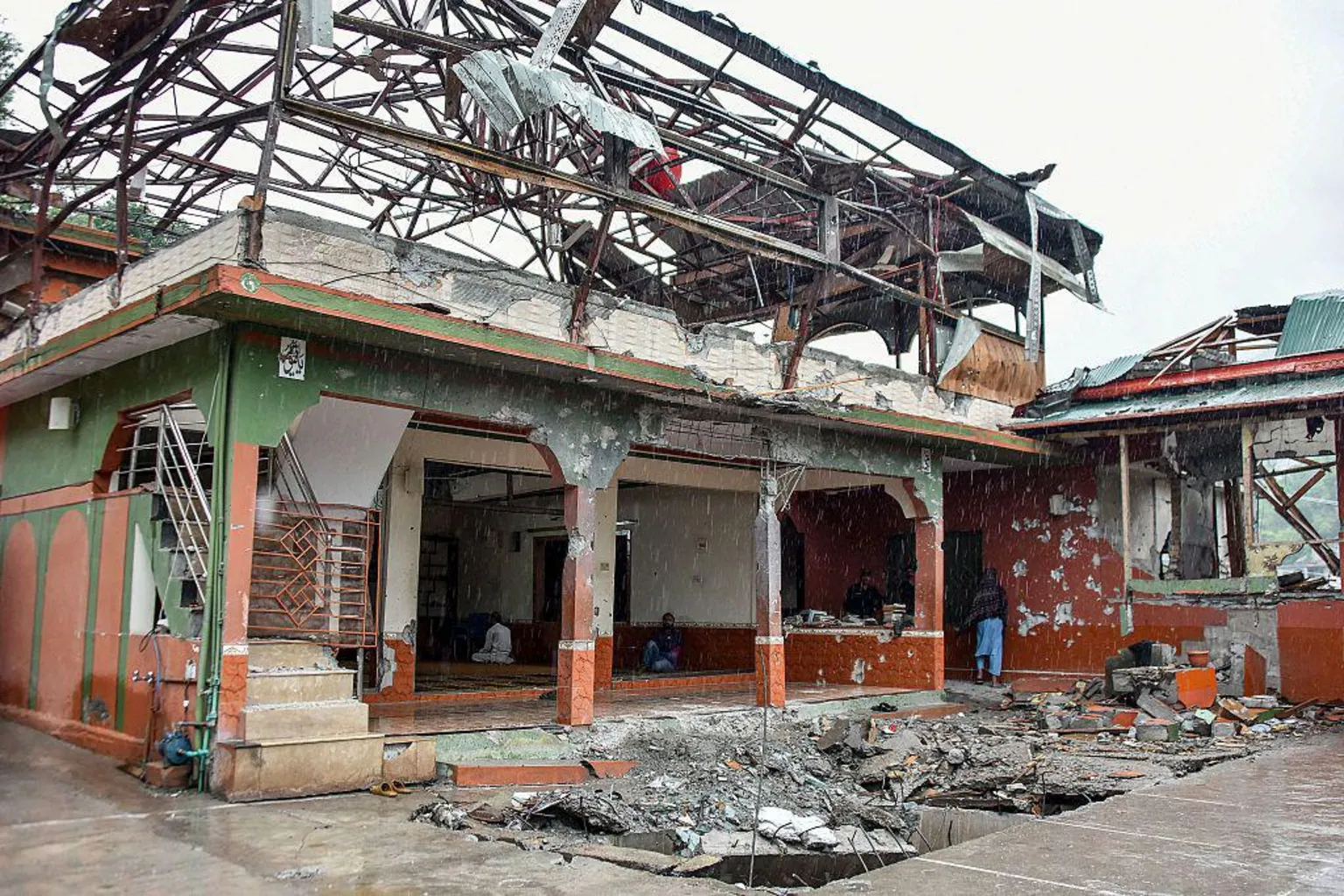
On May 7, 2025, India launched Operation Sindoor, a targeted strike on sites deep inside Pakistan and Pakistan-administered Kashmir, following a gunman attack in Indian-administered Kashmir that killed 26 civilians.
India labelled the operation a response to “terrorist infrastructure,” while Pakistan accused India of targeting civilians. In retaliation, Pakistan initiated Operation Bunyan al-Marsoos, and a four-day conflict ensued, marked by aerial exchanges, missile strikes, and drone attacks.
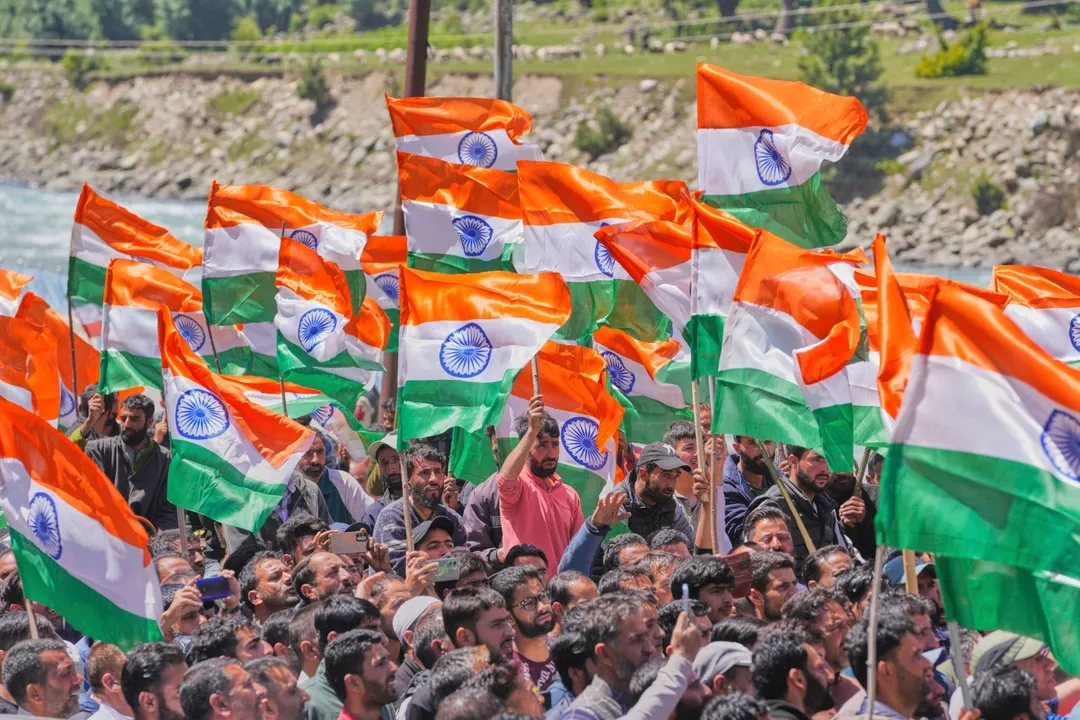
Although both sides celebrated military accomplishments, questions about the long-term implications remain.
Pakistan’s military claims significant success, highlighting the downing of Indian aircraft during the first phase of the conflict, including Rafales.

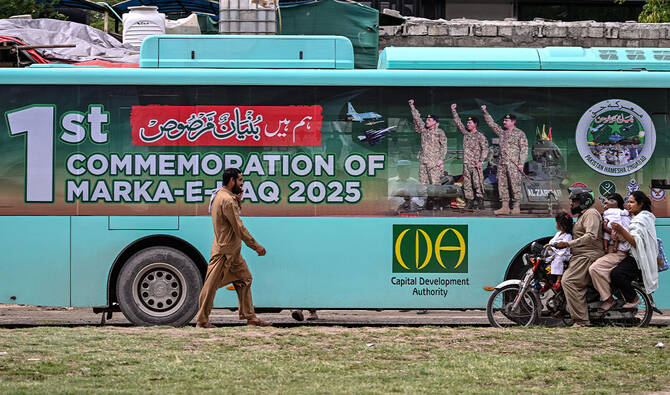
Rawalpindi’s ceremony, commemorating the attack, showcased military advancements and boasted of defeating a foe “five times larger” than itself. But analysts argue that while Pakistan secured tactical victories, its vulnerabilities, especially in air defence, were revealed.
India, on the other hand, also celebrated its achievements. Its BrahMos long-range missiles struck multiple Pakistani airbases, including Nur Khan in Rawalpindi. Drones, including Israeli-made systems, penetrated as far as Karachi and Lahore.
Prime Minister Narendra Modi, reflecting on the conflict a year later, stated that the military showed unparalleled courage and resolve. He also called for continued efforts to dismantle terrorist networks.
Despite official claims of success on both sides, the conflict has exposed critical gaps in military readiness. While Pakistan’s Air Force was initially effective, its air defences faltered during the later stages, as BrahMos strikes caused significant damage to airbases.



Pakistani analysts have highlighted weaknesses in its air defence systems, particularly the failure of its Chinese-supplied HQ-9B surface-to-air missiles to intercept BrahMos missiles. This has prompted Pakistan to pursue upgrades, including the HQ-19 ballistic missile defence system, expected in 2026.
Meanwhile, India’s focus has been on addressing its own vulnerabilities, particularly in the face of conventional missile threats.

India’s military has made significant technological advancements, but analysts argue that its future conflicts with Pakistan may see increasing reliance on long-range conventional missiles and drones. Both sides are now preparing for this new reality, which demands quick responses and robust air defences.
The conflict also shifted the regional diplomatic landscape. Pakistan emerged with a narrative advantage, highlighting US President Donald Trump’s mediation efforts that led to the ceasefire.
This diplomatic win helped Pakistan gain significant international traction, with Pakistan’s military chief, General Asim Munir, gaining global recognition.
In contrast, India’s reluctance to acknowledge its losses, particularly the downed aircraft, has led to an opaque post-conflict narrative. India’s official stance, focusing on Operation Sindoor, downplays any setbacks.
One significant development post-conflict is the ongoing water dispute. India suspended the Indus Waters Treaty (IWT) in April 2025, which governs water-sharing between the two nations, triggering concerns in Pakistan. Experts warn that the suspension of the treaty could undermine water security, particularly as Pakistan’s storage capacity is limited compared to India’s.
However, analysts also point out that internal issues, such as outdated infrastructure and mismanagement, present more immediate threats to Pakistan’s water security.
Despite these challenges, both countries have invested heavily in military upgrades. Pakistan increased its defence budget by 20 per cent, and has sought advanced weapon systems from China and the US, including fifth-generation fighter jets.
However, experts caution that both sides may be caught in an arms race with diminishing returns, rather than achieving definitive strategic advantages.
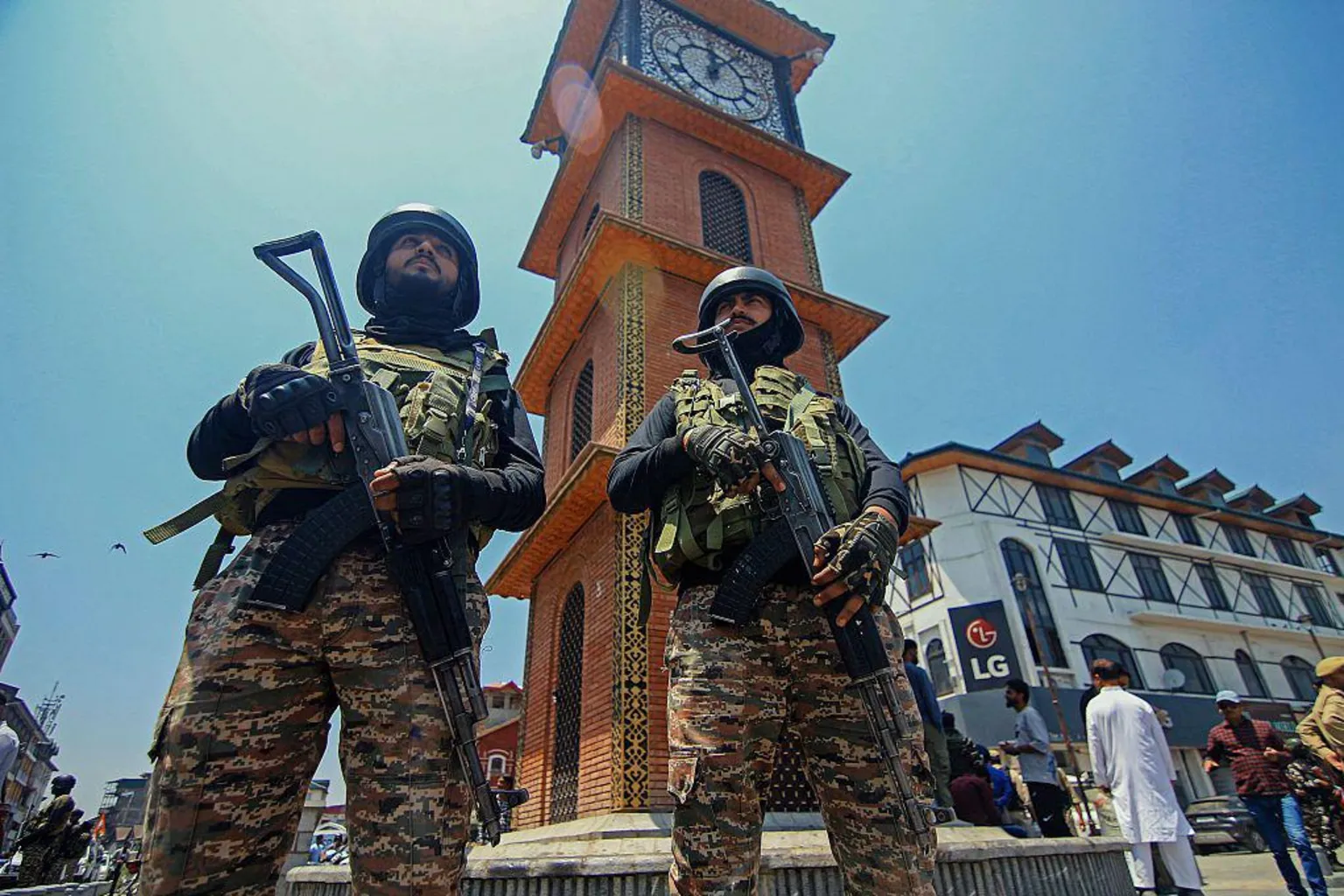
As both nations continue to strengthen their military capabilities, the unresolved issues from last year’s conflict remain a significant risk. Military analysts suggest that future clashes could occur, with the risk of escalation ever-present.
While both India and Pakistan are bracing for potential conflicts, the absence of effective diplomatic channels and mutual distrust only exacerbates the situation.
India and Pakistan’s year-long reflection on the conflict raises fundamental questions about the future of their relations.
Despite boasting of military successes, the vulnerability exposed by the aerial exchange remains a significant concern. Both sides will have to carefully navigate the strategic landscape, balancing military power with the potential for diplomatic resolution.
Looking ahead, analysts argue that both nations must address vulnerabilities that go beyond military hardware. Whether through enhanced diplomatic efforts or significant reforms, the conflict has highlighted that military strength alone is not enough to secure long-term peace in the region.
The real challenge may lie in overcoming mutual distrust and creating sustainable mechanisms to prevent future escalation.