With the ICC T20 World Cup scheduled to begin on February 7 in India and Sri Lanka, Bangladesh’s participation remains in doubt after the Bangladesh Cricket Board decided not to send the team to India over security concerns. And if Bangladesh ultimately do not take part, players could face financial losses. Asked whether the board would compensate them, a senior BCB official offered a blunt response.
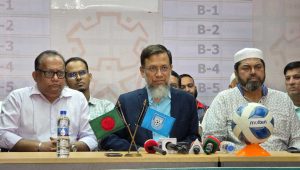
Speaking on Wednesday evening outside the media plaza at Sher-e-Bangla National Stadium in Mirpur, BCB director and finance committee chairman M Nazmul Islam struck a defiant tone. His comments also touched on Bangladesh’s repeated struggles on the global stage.
“Why should we?” Nazmul said when asked about compensating players financially. “If they go and do nothing, play badly, after we have spent so many crores on them, do we ever ask them to return that money? Answer that first.”

The remarks came from the same official who had recently sparked controversy by calling former Bangladesh captain Tamim Iqbal an “Indian agent” in a Facebook post, following Tamim’s comments on the World Cup issue.
The BCB have sent two emails to the ICC requesting that Bangladesh’s matches be moved out of India. A virtual meeting between the ICC and the BCB on Tuesday also failed to produce a decision, leaving Bangladesh’s World Cup fate unresolved.




If the ICC reject the venue change request and Bangladesh decide not to participate, players stand to lose out financially. Teams competing in ICC tournaments share in tournament revenues, while players also earn match fees and performance-related awards.
Nazmul made it clear that, in his view, the board itself would not suffer financially, though the players would. “The Bangladesh Cricket Board will not be affected, but the cricketers will be,” he said. “If they play, they receive match fees for each game. If someone becomes player of the match or delivers a special performance, they are paid according to ICC rules. That money belongs to the player.”
He added that the board has no direct involvement in those payments. “There is no connection with the board here. Whether Bangladesh play or not, there is no profit or loss for the board, at least for this World Cup.”
Under the ICC’s revenue-sharing model, the BCB, like other full member boards, is tied into a financial agreement covering the 2023 to 2027 cycle. Nazmul argued that this structure ensures the board’s income remains protected even if Bangladesh do not participate in the tournament.
“Our revenue will not be hampered up to 2027,” he said. “Because everything was finalised in the ICC financial meeting held in 2022.”