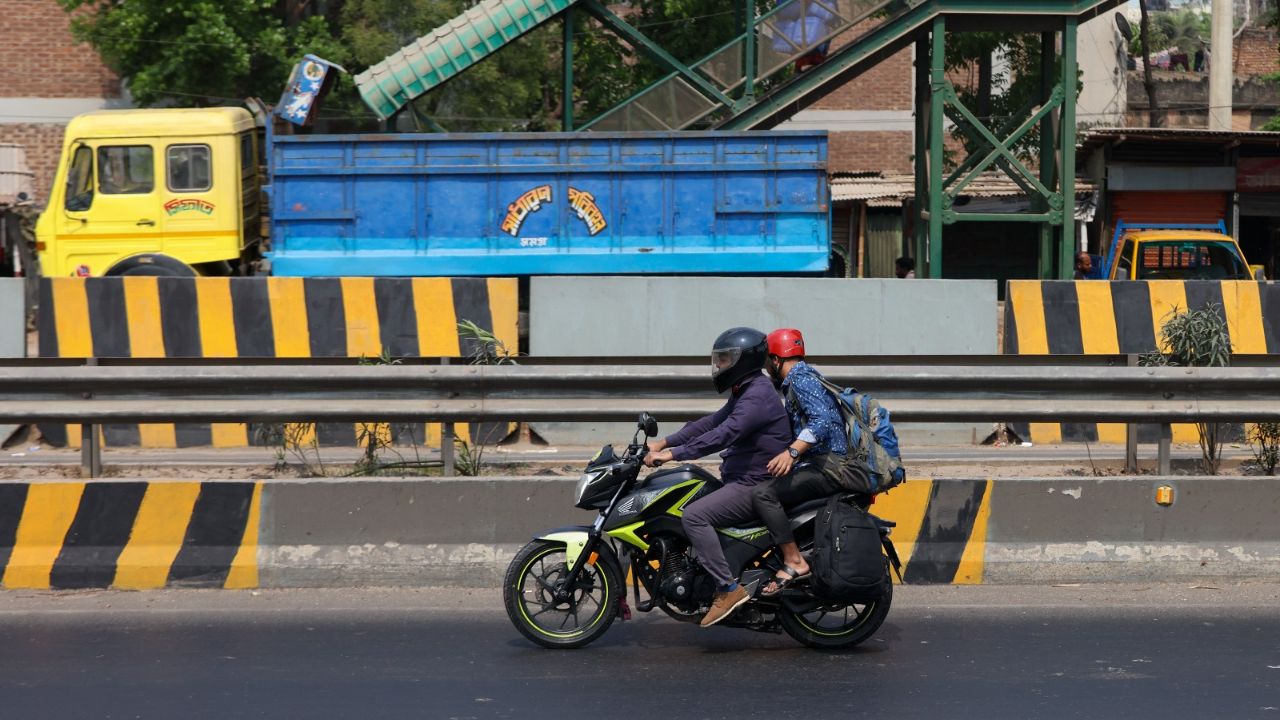

Motorcycles have emerged as the deadliest mode of transport on Bangladesh’s roads, accounting for over 37 per cent of all road fatalities in June 2026.
According to a report released by the Bangladesh Jatri Kalyan Samity, 173 people were killed and 132 others injured in 172 motorcycle-related accidents during the month.
These incidents represented 32.33 per cent of the total 532 road accidents recorded nationwide, highlighting a persistent and disproportionate risk associated with two-wheelers compared to other vehicles.
The overall road safety situation remained grim as 463 people were killed and 1,323 injured across all vehicle types, with the total death toll rising to 513 when including railway and waterway incidents.

Systemic failures and highway hazards
The monitoring cell of the Samity identified several critical factors contributing to the high rate of accidents, particularly on national highways where 44.73 per cent of all incidents occurred.
A primary concern remains the unrestricted movement of motorcycles and battery-run rickshaws on these high-speed corridors, often alongside heavy vehicles like trucks and buses.


The report noted that the lack of road signs, markings, and adequate lighting frequently causes vehicles to emerge unexpectedly from feeder roads into the path of fast-moving traffic.
Structural issues such as construction defects, the absence of road dividers, and overgrown trees creating blind spots at turns have exacerbated the danger for motorists. Reckless driving, unskilled operators, and the use of vehicles without fitness certificates were also cited as significant contributors to the monthly “procession of deaths.”
Demands for expert-led reform
In response to the escalating crisis, Secretary General of the Bangladesh Jatri Kalyan Samity Md Mozammel Hoque Chowdhury has called for a fundamental shift in the management of the country’s transport sector.
He urged the government to replace bureaucratic control of the Ministry of Road Transport and Bridges and the Bangladesh Road Transport Authority (BRTA) with oversight by local and international transport experts.
The samity’s recommendations to curb the carnage include the implementation of a technology-based road management system featuring e-prosecution and the development of modern bus networks to reduce the public’s reliance on smaller, high-risk vehicles.
Additionally, the samity demanded regular road safety audits, the removal of extortion from the transport sector, and an end to the monopoly control exercised by bus owners’ associations and labour federations to ensure a safer environment for all commuters.