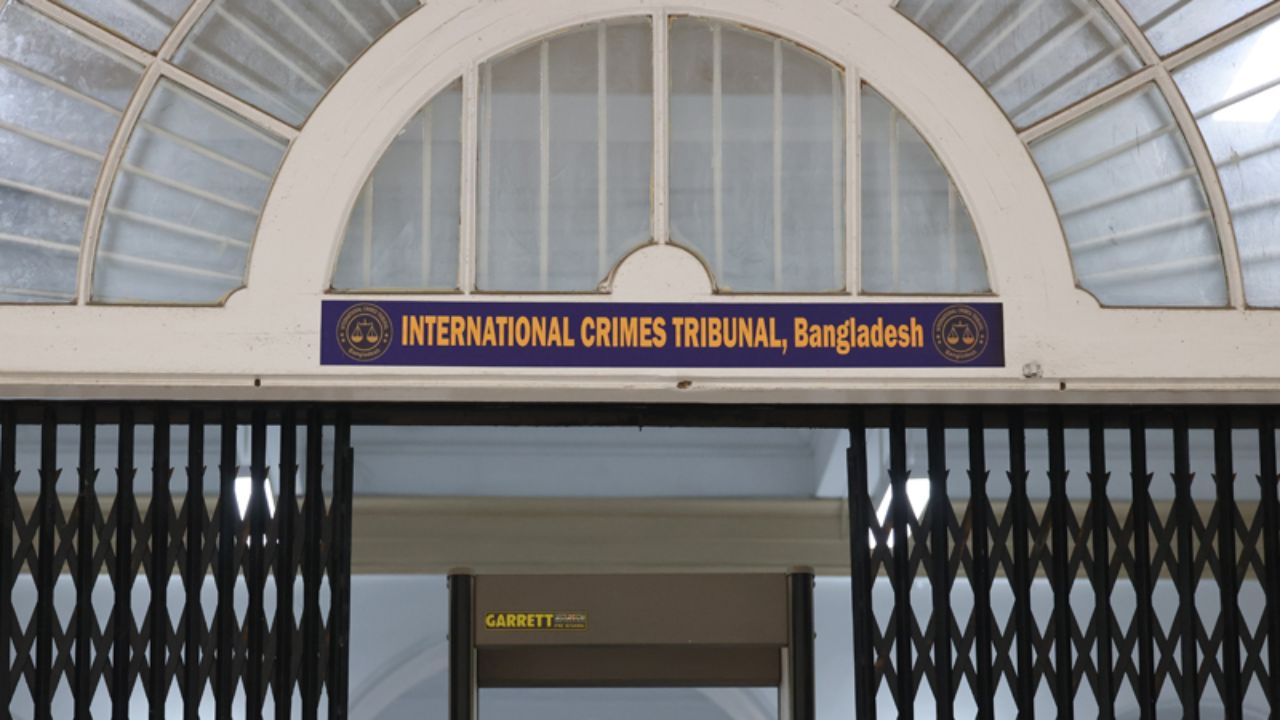



Bangladesh authorities are “failing to uphold international legal standards” at the country’s International Crimes Tribunal, Human Rights Watch (HRW) has said.
In a statement, the rights group warned that such shortcomings risk denying justice to victims, undermining the rule of law, falsely imprisoning political opponents, and repeating past rights violations.
Meenakshi Ganguly, deputy Asia director at Human Rights Watch, said, “Those responsible for the many abuses committed under the Sheikh Hasina government should be appropriately held to account, but many prosecutions are falling short of international fair trial standards.”
She added, “Bangladesh needs to urgently reform its criminal justice system, and the new government should ensure that there is no room for political vendettas through shoddy investigations and arbitrary allegations.”

On 27 July, prosecutors submitted charges against 41 individuals for crimes against humanity and genocide. Those facing trial include politicians, members of the security forces, and journalists accused of serious abuses under former prime minister Sheikh Hasina’s Awami League government.
That government, in power for more than 15 years, was toppled in 2024 following mass protests against increasingly authoritarian rule.
The tribunal is currently hearing cases linked to the violent crackdown on student‑led protests in July and August 2024, which left more than 800 people dead and thousands injured. These events ultimately forced the Awami League from power.




Other charges being pursued include alleged extrajudicial killings and enforced disappearances during Hasina’s tenure.
HRW’s monitoring of more than a dozen cases before the tribunal — a domestic court mandated to try serious crimes under international law — has raised serious concerns about due process, the group said.
The rights group noted that prosecutors have detained and charged individuals based on questionable evidence, including witness statements in which incriminating passages appear to have been copied and pasted across multiple testimonies.
According to HRW, such practices risk repeating past rights violations, and eroding public trust in the justice system.
It also criticised the prosecution of journalists Mozammel Babu and Farzana Rupa for their reporting on the 2013 Hefazat‑e‑Islam rally.
The group cited the case of “Dr Muhammad Hasan Mahmud Chowdhury and others,” noting that several of the prosecution’s 55 publicly available witness statements contained nearly identical passages.
HRW further referred to bribery allegations against a tribunal prosecutor who later resigned, saying the investigation remains incomplete.
“Bangladesh authorities need to recognise that they cannot repeat the abuses of the past,” said Meenakshi Ganguly.
“Allegations based on duplicated witness statements, however, show the lack of a credible justice process, which will once again fail victims, their families, and all Bangladeshis.”