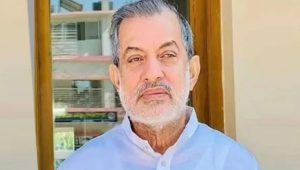
The International Crimes Tribunal-1 has fixed 6 May for the hearing in the case against former army officer Ziaul Ahsan, accused of enforced disappearances and killings during the ousted Awami League regime.
The tribunal-1 set the date on Thursday after the cross-examination of prosecution witness Habibur Rahman Mallik was completed by the defence.
Advocate Aminul Gani Tito conducted the cross-examination, while Prosecutor Mizanul Islam represented the prosecution during the proceedings.
Habibur Rahman had earlier testified as the fourth prosecution witness on 22 April.

During cross-examination, the witness stated that he had come to know through intelligence sources that Ziaul Ahsan was involved in the killing of his nephew.
The defence lawyer, however, rejected the claim as untrue.




The witness also said that intelligence personnel frequently visited his residence following the killing of a person named Nazrul and allegedly informed them that RAB intelligence chief Ziaul Ahsan was responsible.
Earlier on 14 January, the tribunal framed charges against Ziaul Ahsan in the case, bringing three charges in connection with the killing of 104 individuals.
On 17 December last year, the tribunal accepted the formal charges filed by the prosecution.
According to prosecution submissions, Ziaul Ahsan served as director of the intelligence wing of RAB and additional director general (operations) between 2009 and 2016. During this period, he was allegedly involved in numerous enforced disappearances and extrajudicial killings, with RAB personnel carrying out operations under his instruction, approval, or knowledge.
The prosecution further stated that after joining RAB in 2009 as a major, he became a trusted figure of the then government and continued to serve in various security agencies under the home ministry until his forced retirement in 2024 as a major general.
It was also alleged that he was promoted without completing mandatory training or command experience, which the prosecution described as an unprecedented occurrence in the history of the Bangladesh Army.