


When natural gas pressure falls at a factory, the impact quickly spills over.
Boilers lose capacity, captive power generation and factory operations can stop, export schedules are disrupted, and manufacturers risk losing orders.
For industries dependent on continuous heat, energy reliability has therefore become a business issue.
Liquefied petroleum gas (LPG), with more predictable availability, is emerging as an alternative when pipeline gas becomes uncertain.
Omera LPG, the largest player in the growing market, has built its industrial service around this need through Omera Priority, a dedicated platform providing LPG-based energy solutions, including engineering support, system design, installation assistance and supply management.
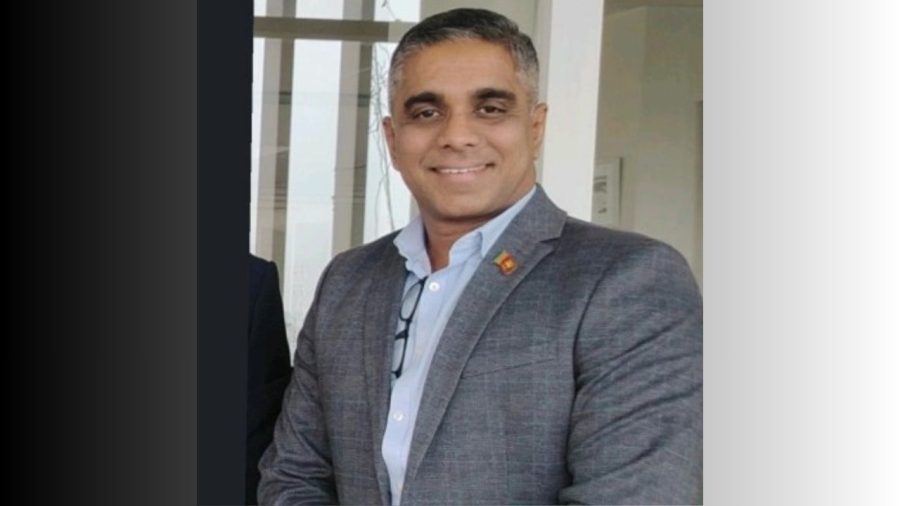
In an interview with TIMES’ Mahfuz Ullah Babu, Omera LPG Chief Operating Officer Matheendra De Zoysa explained how the service works, why industrial demand is growing and where LPG fits into Bangladesh’s wider energy mix.
Omera introduced Omera Priority in 2022 after identifying growing demand from industries facing gas supply challenges. The objective was to move beyond conventional LPG supply and provide a complete energy solution, De Zoysa said.
Industrial LPG requires a different approach from household supply. Factories need systems tailored to their production processes, heat requirements and equipment capacity, typically involving bulk storage tanks, vaporisers, pipelines, safety arrangements and technical support.
Omera has a dedicated engineering team to assess factory requirements and design systems accordingly. The company has also invested heavily in road tankers and other logistics arrangements to support uninterrupted supply.
“We are not only supplying LPG. We are providing an industrial energy solution,” De Zoysa said.
LPG can serve heat-intensive industries including textiles, steel, glass and ceramics. Demand is strongest among factories using boilers, furnaces and industrial dryers.
Glass and ceramics manufacturers can particularly benefit from LPG because its cleaner combustion can help maintain product quality, De Zoysa said. Unlike furnace oil and diesel, LPG does not contain sulphur, which can affect glass and ceramic colour.

Why factories are considering LPG
Factories connected to the national gas grid historically had little reason to consider alternatives because natural gas was cheaper and readily available. That has changed as industries face lower gas pressure and greater supply uncertainty.
Bangladesh is facing a gas shortage of around 1,200 million cubic feet per day against estimated daily demand of 3,800 million cubic feet. Disruptions to LNG supply can make the shortfall more acute.
De Zoysa said factories increasingly need an energy mix rather than dependence on a single source. LPG can serve as a backup when pipeline gas pressure falls, while factories can use it as a primary fuel when gas is not available.
Dual-fuel systems allow manufacturers to switch between pipeline gas and LPG according to availability.
The economics, however, cannot be assessed only through the price of fuel, he said. Production stoppages can disrupt shipment deadlines, export commitments and relationships with buyers.
“Industries cannot be penny wise and pound foolish. They need a sustainable solution that ensures production continuity,” he said.
Omera LPG is now used by around 100 manufacturing groups across Bangladesh, including in garments, knitwear, yarn, dyeing, steel, glass and ceramics, and demand has risen rapidly following the recent gas crisis.
LPG has a higher direct energy cost than subsidised pipeline natural gas.




According to De Zoysa, LPG costs around 1.5 to two times more than natural gas in Bangladesh, depending on international LPG prices.
However, LPG is cheaper than other alternatives such as diesel and furnace oil. Even before the recent oil price hike, industrial LPG was around 29 per cent cheaper than diesel.
Investment requirements vary according to factory size and technical specifications.
A small industrial installation may require around Tk15 lakh, while larger systems can cost several crores. Very large projects involving higher storage capacity, specialised equipment and extensive infrastructure can require investment of up to Tk100 crore.
A typical installation includes LPG storage tanks, pipelines and vaporisers.
“Standard systems can be commissioned within three weeks if equipment is available.”
Larger customised projects requiring 50–60 metric tonne storage tanks take longer because specialised pressurised vessels may need to be imported or manufactured.
“Regulatory approvals can also affect implementation timelines.”
The infrastructure behind industrial supply
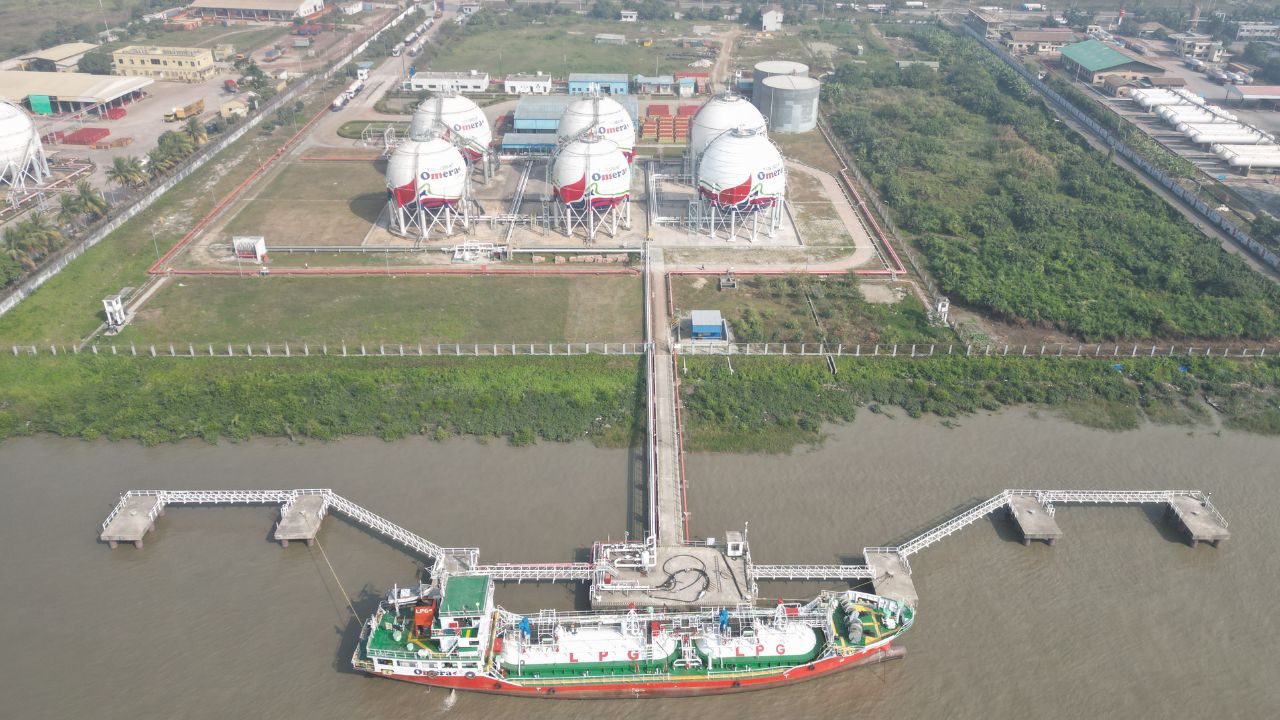
Industrial LPG is not simply a matter of importing cylinders or fuel. Reliable supply requires storage, filling facilities, transportation and distribution capacity.
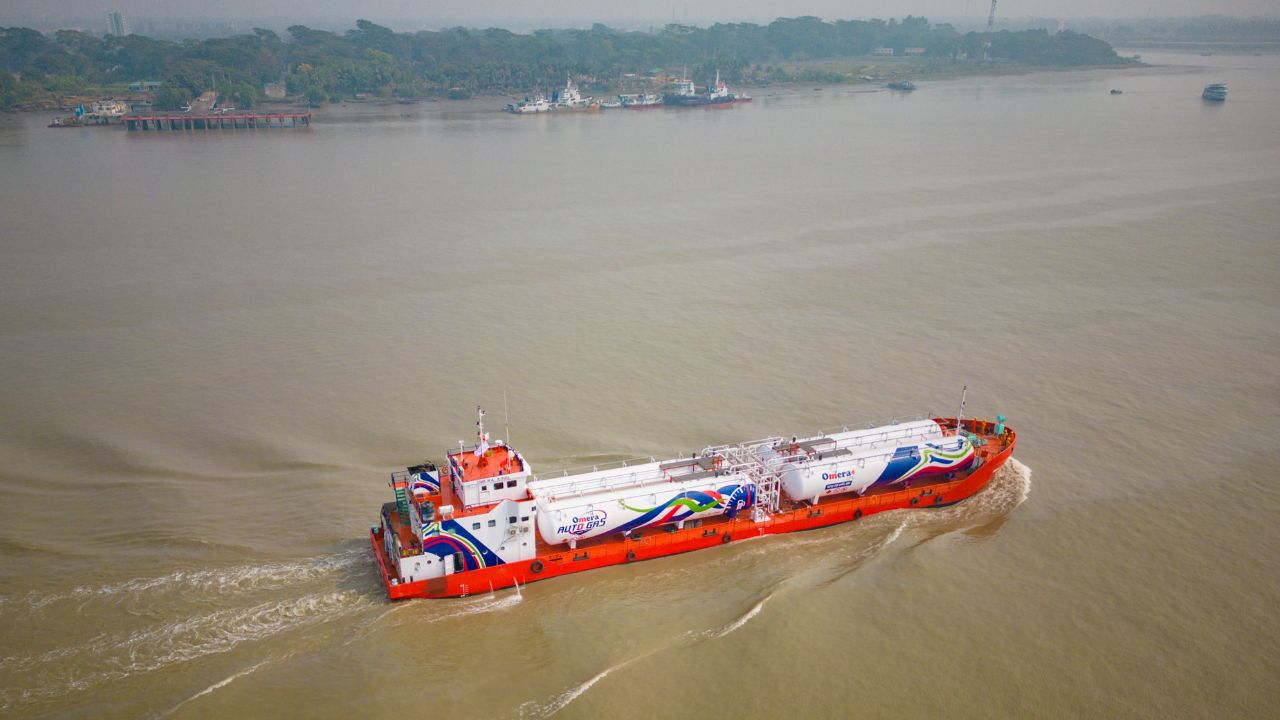
Omera has invested in storage facilities, filling plants, and logistics infrastructure to serve both industrial and household customers. It maintains reserve tanks of different capacities, including 5, 10 and 20 metric tonne units, allowing faster deployment for customers.
Because LPG is stored under pressure, specialised storage tanks are required rather than conventional tanks.
De Zoysa said Omera’s investment in inventory, logistics and quality control supports its premium market positioning.
“We compete not only on price but also on reliability, supply continuity and service support,” he said.
During successive global supply-chain disruptions, Omera maintained LPG stocks to preserve supply reliability.
De Zoysa estimates Bangladesh’s LPG market at around 1,40,000–1,50,000 metric tonnes. He expects it could expand to nearly 3,00,000 metric tonnes within the next three to five years, with industrial demand becoming a major growth driver.
The underlying shift is the need for predictable energy supply, he said.
Sri Lanka provides an example of wider industrial LPG adoption. As the country has no domestic natural gas resources or LNG infrastructure, around 40–50% of industries use LPG, particularly glass and ceramic manufacturers, according to De Zoysa.
Those industries also prefer LPG because of its clean-burning properties.

The household and autogas markets keep growing
Industrial demand is only one part of the LPG opportunity.
Household consumption remains a major market and is growing organically by around 8–10 per cent a year as consumers shift away from traditional fuels, De Zoysa said.
Omera has introduced Omera Shohoj, a 5.5kg cylinder aimed at consumers seeking a smaller and more portable option.
The filled cylinder weighs around 8–9kg, making it easier to carry and suitable for all.
A 12kg LPG cylinder can replace around 120kg of firewood, reducing dependence on biomass fuel and improving household convenience, removing health risks from the smoke.
The company also links LPG adoption with cleaner cooking practices and improved user safety when proper standards are maintained.
LPG is also gaining ground in transport as subsidised compressed natural gas becomes costlier and scarcer, prompting more vehicle owners to switch to LPG Autogas.
De Zoysa said LPG does not damage vehicle engines and is used as an automotive fuel in many countries.
Although compressed natural gas (CNG) remains cheaper per kilometre, LPG is cheaper than petrol and octane. LPG Autogas can therefore contribute to fuel diversification in transport, he said.
He stressed the need for stronger monitoring of unsafe practices, including unauthorised LPG cross-filling at Autogas stations.
As LPG use expands, safety and quality control become critical across industrial, household and automotive applications.
For industrial customers, Omera says safety starts at the engineering stage, with system designs based on regulatory requirements, followed by technical support and compliance checks.
De Zoysa said maintaining product quality and supply reliability is essential to building long-term customer confidence.
Bangladesh’s growing dependence on imported LNG and exposure to global fuel-price volatility are also increasing the importance of diversifying energy sources.
Unlike LPG, LNG requires regasification infrastructure that can take several years to deploy.
Global fuel markets remain uncertain amid geopolitical developments, making supply flexibility increasingly important for industries.
“LPG should not be viewed as a replacement for the entire natural gas infrastructure, but as an additional energy option that can help factories operate throughout the year,” De Zoysa said.