Japan’s decision to cancel a cherry blossom festival near Mount Fuji has sparked wide debate, underscoring the profound cultural significance of sakura in the country.
Authorities scrapped the event, first launched in 2016, citing overtourism and disruptive behaviour by visitors. Fujiyoshida Mayor Shigeru Horiuchi explained that the move was necessary to safeguard residents’ dignity and protect the local living environment, which had been strained by the influx of tourists.
The cancellation struck a national chord because cherry blossoms are far more than seasonal flowers in Japan. They are deeply woven into the nation’s history, identity, and collective memory, making the loss of any sakura celebration feel symbolic of something larger.

Although cherry blossoms bloom in many parts of the world, Japan’s traditions of sakura matsuri (cherry blossom festivals) and hanami (flower viewing) set it apart. The practice dates back to the 8th century as an imperial custom, later spreading widely during the Edo period when sakura gradually replaced plum blossoms as the centerpiece of spring celebrations. Today, hanami gatherings beneath flowering trees are not only social events but also meditations on impermanence, as cities transform into seas of pink and white.




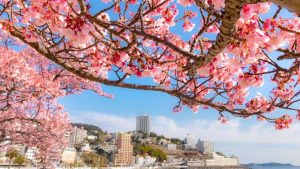
Sakura also carries spiritual resonance. Rooted in Shinto and Buddhist beliefs, the blossoms are linked to rice deities and ancestral spirits. They feature prominently in literature, art, and cinema, symbolising the samurai ethos of honour and acceptance of death. Even during World War II, cherry blossoms were invoked as metaphors for sacrifice, further embedding them into Japan’s cultural psyche.
The cancellation comes at a time when Japan is grappling with overtourism. In 2025, the country welcomed 42.7 million visitors driven by a weak yen and the global allure of cherry blossom season. While tourism boosts the economy, it has also strained infrastructure, disrupted local communities, and raised questions about how Japan can balance cultural preservation with international demand.
For many, the halted festival near Mount Fuji is a reminder that even cherished traditions must adapt to modern realities. It highlights the tension between protecting cultural heritage and accommodating global fascination with Japan’s most iconic symbol of spring.