


When Bangladesh’s internet went dark during the nationwide shutdown in July 2024, ships were still calling at ports, cargo claims still needed handling and overseas shipowners and insurers still expected updates from Bangladesh.
For Interport Group, a Chattogram-based protection and indemnity correspondent, the blackout created an immediate operational problem – how to stay in contact with international clients when Bangladesh was cut off from the internet during an uprising.
Its first solution came within hours.
An Interport employee travelled to a vessel anchored at Mongla and, with the cooperation of a Bangladeshi shipowner, used the ship’s satellite internet connection to restore communications with clients abroad.
A second, more durable arrangement followed within a day. Two other Interport employees travelled to the Maldives, where they set up an overseas communications desk and continued sending daily updates to clients throughout the 10-day blackout.

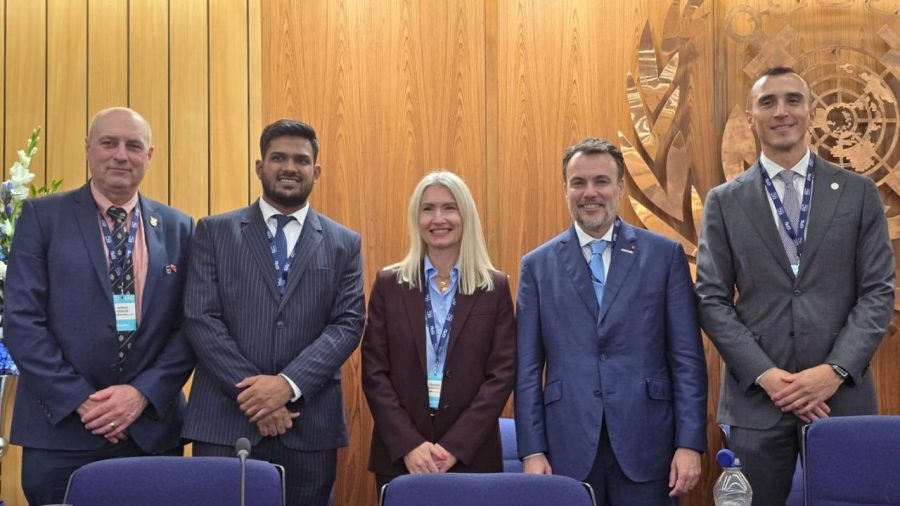
Tanjil Ahmed Ruhullah, managing director and head of claims at Interport Group, Bangladesh, described the response at the 7th International Group of P&I Clubs’ Correspondents’ Conference at the International Maritime Organization headquarters in London on 30 September, according to a company press release.
Ruhullah presented Bangladesh’s July 2024 shutdown as a case study in how maritime service providers can continue operating when ordinary digital communications fail.
“When the internet went dark, our responsibilities did not,” he told the conference.
P&I correspondents act as local representatives of marine insurers at ports. They respond to ship casualties, crew emergencies, cargo disputes and insurance claims, while coordinating among shipowners, insurers, port authorities and other parties.




That work can require constant communication across borders, meaning a nationwide internet outage can disrupt not only local office work but also international shipping and claims handling.
According to Ruhullah, the satellite connection from the vessel at Mongla allowed Interport to re-establish outside contact quickly, while the Maldives desk gave the company a way to maintain regular communications for the rest of the outage.
Ruhullah said international insurers later sent written appreciation for the response.
But the experience also exposed a weakness.
Interport had managed to stay connected because staff improvised quickly and found access to satellite internet and an overseas location. Ruhullah described that as “resilience by fortune” — a successful response that depended partly on circumstances falling into place.
His argument was that such luck should not be mistaken for a formal crisis plan.
Following the shutdown, Interport strengthened its business-continuity arrangements and introduced formal contingency plans with regular testing, in line with the International Group’s Guidelines for Correspondents.
“The lesson we shared with the world is simple: a contingency plan is half paper and half people — and it must be tested before the day it is needed,” Ruhullah said.
“Contingency planning is not forecasting; it is preparedness.”
The broader lesson, he said, is that Bangladesh’s maritime services are tightly connected to global shipping networks. A communications failure in Bangladesh can quickly affect shipowners, insurers and cargo interests overseas if local correspondents cannot transmit information or coordinate responses.
Tested backup systems can allow a correspondent in Chattogram to continue serving international clients even during a major national disruption, Ruhullah said during his presentation titled “From Blackout to Business Continuity: Contingency Planning from a P&I Correspondent’s Perspective.”
The London conference drew 789 registered participants from 103 countries, including correspondent managers and claims handlers representing the International Group of P&I Clubs, which provides mutual insurance cover for most of the world’s ocean-going fleet.