






Nearly six months into the war between the United States and Iran, global oil stockpiles are depleting rapidly as traffic through the Strait of Hormuz remains effectively stalled.
While US President Donald Trump insists the strategic waterway is under American command, military experts and maritime data suggest a far more precarious reality, according to a CNN report.
Conflicting claims, reality of the blockade
Trump has repeatedly claimed that the United States maintains “total control” over the strait, claiming the US Navy has successfully cleared the area of mines.
Speaking on Wednesday, the president stated that the US “owns” the passage and warned that any Iranian interference would result in them being “blown away.” However, Tehran has refused to fully reopen the waterway until the US satisfies its specific conditions.
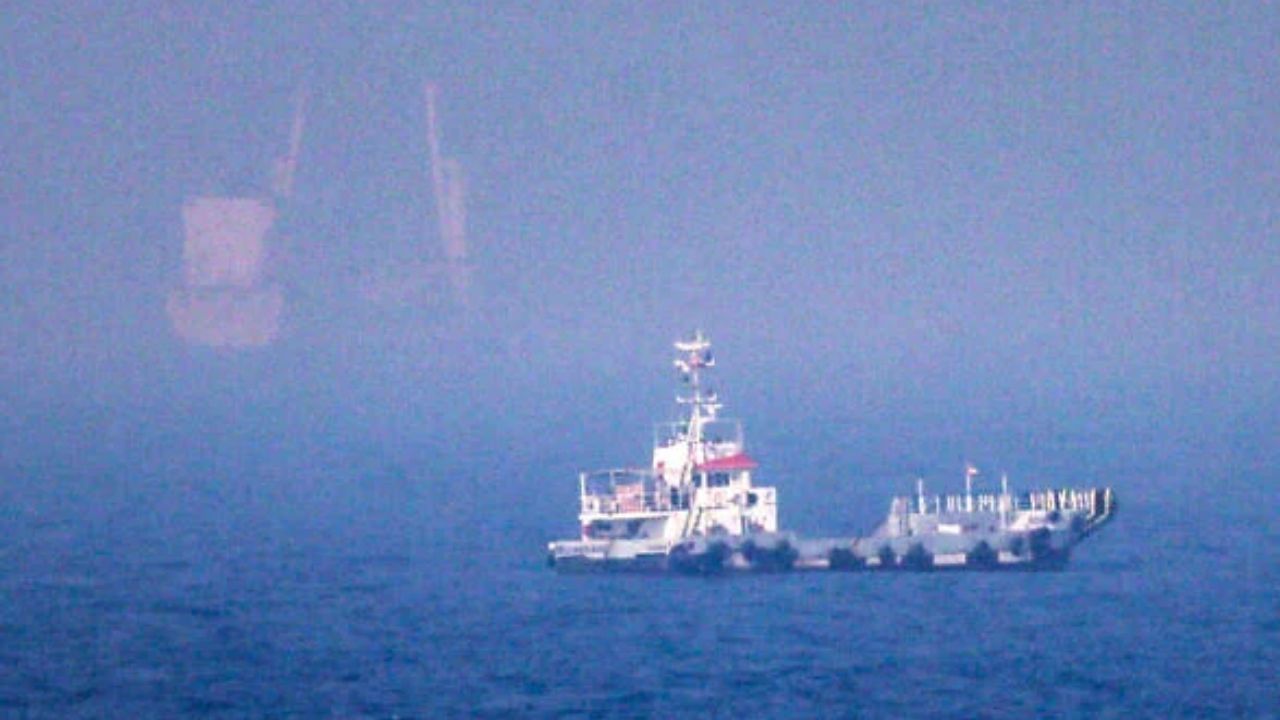
While a US naval blockade has effectively strangled Iran’s cash flow and halted its maritime trade, commercial traffic for other nations remains a mere fraction of pre-war levels. Recent data reveals that only 14 vessels crossed the strait this past Tuesday, a sharp decline from the average of 120 ships daily recorded before the conflict.
A ‘standoff’ defined by maritime insecurity
The reluctance of merchant shipping companies to utilize the route stems from a lack of confidence in the US military’s ability to guarantee safe transit.
These fears are supported by recent hostilities; the Abu Dhabi National Oil Company reported that drones and missiles targeted four of its vessels within the strait last week alone.
According to the United Kingdom Maritime Trade Operations (UKMTO), there have been 54 reports of vessel damage since the war’s inception, including 13 near misses and three total losses.
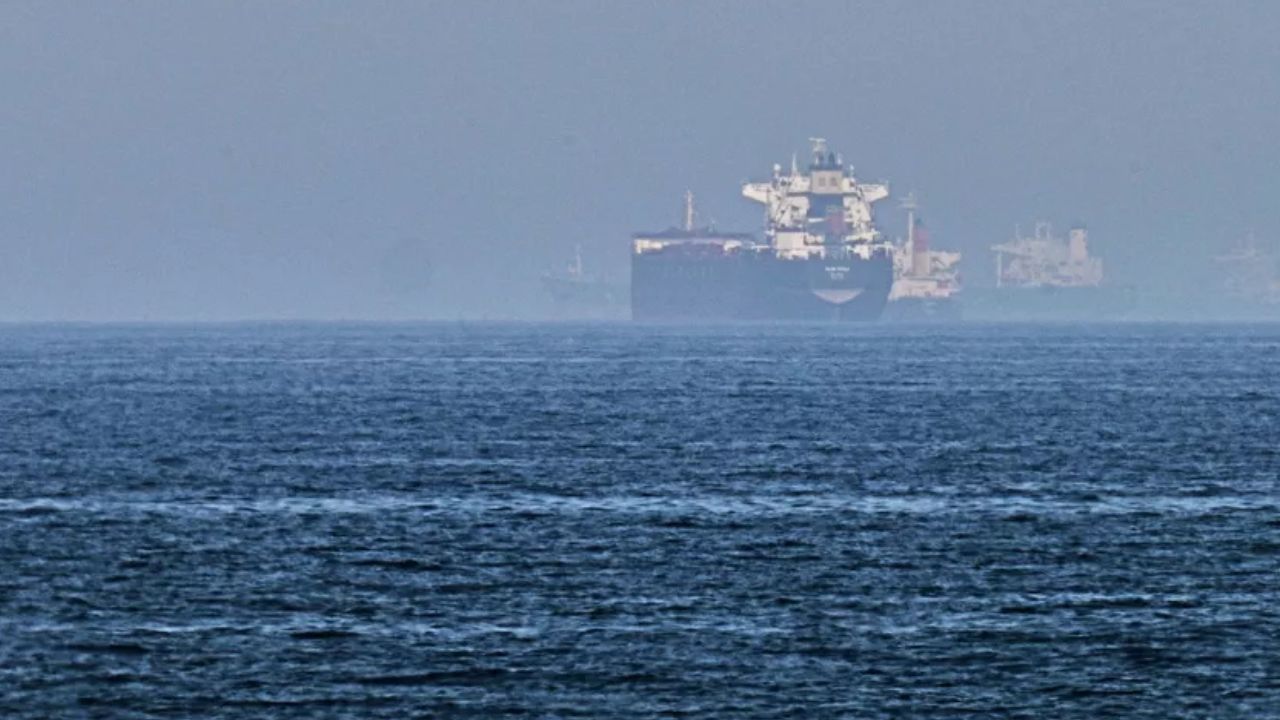
Carl Schuster, the former director of the US Pacific Command’s Joint Intelligence Center, argued that “total control” cannot exist without ensuring the safe use of the waterway.
Similarly, CNN military analyst and retired Air Force Col Cedric Leighton described the situation as a “standoff.” He noted that neither side can exercise full authority due to the proximity of forces and Iran’s continued ability to harass vessels using small boats and drone surveillance.
Geopolitical leverage, economic pressure
Although the US maintains a clear military and economic advantage through heavy sanctions and frozen assets, Iran reportedly holds a “psychological and political upper hand” due to its geographic proximity.
The continued disruption of a route that carries 20% of the world’s oil has caused global economic havoc, placing significant pressure on the Trump administration to find a solution.
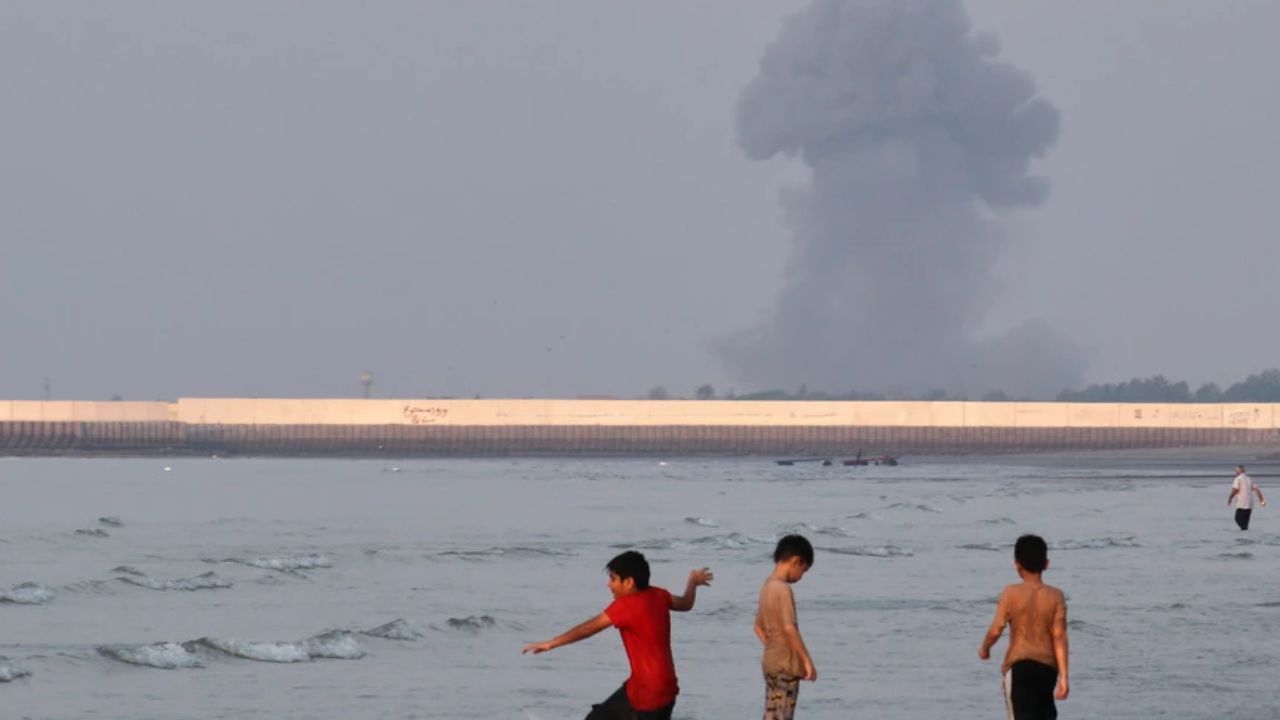
Analysts suggest that Iran may be prepared to prolong the hostilities, potentially aiming to influence the US midterm elections in November. Mohammad Reza Naqdi, a senior adviser to the Revolutionary Guards, indicated that Tehran seeks to establish “deterrence” to ensure its own security.
Meanwhile, Col Leighton warned that US forces in the region are “stretched pretty thin,” suggesting that the President’s leverage is limited by his military’s staying power and the domestic pressure to provide cost-of-living relief to constituents.


