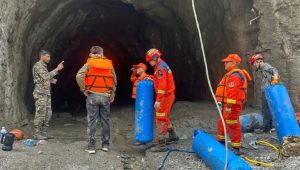
For centuries, Gaza’s narrow strip of Mediterranean coast has been a crossroads of civilisations. It is a place where ancient empires met, and faiths intertwined. Yet today, much of that layered history lies in fragments beneath rubble and dust.
In the wake of a devastating two-year war between Israel and Hamas, Palestinians are racing to salvage what remains of their cultural and religious heritage amid sweeping destruction. Historic mosques, crumbling colonial-era palaces and archaeological treasures that once told the story of millennia in this land now risk being lost forever.
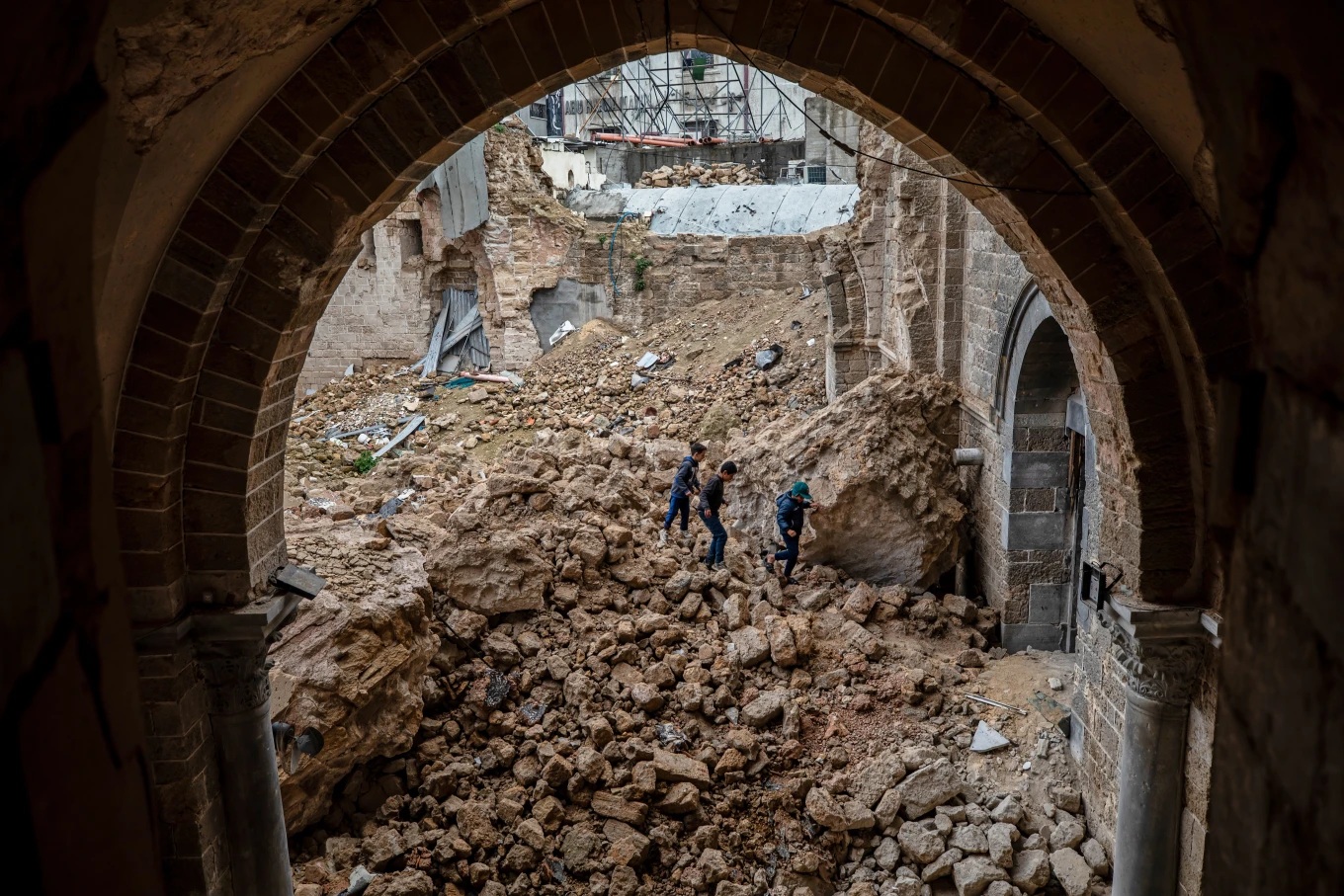
The Great Omari Mosque in Gaza City, originally a Byzantine church later converted into a mosque, stands as a powerful symbol of both continuity and loss. Its battered walls and shattered arcades, once alive with prayer and community, now echo with silence.

For generations, families marked life’s milestones within its ancient stones; now, those stones mark the fragility of memory itself.
UNESCO has confirmed damage to at least 150 heritage sites across the enclave, from religious landmarks to ancient monuments and museums. At the Pasha Palace, a former Ottoman governor’s residence turned archaeological museum, efforts are underway to recover relics.




But the task is slow and heartbreakingly hard. Roman coins, Ottoman era ceramics and centuries-old manuscripts, once catalogued with pride, have been broken, looted or covered in debris.
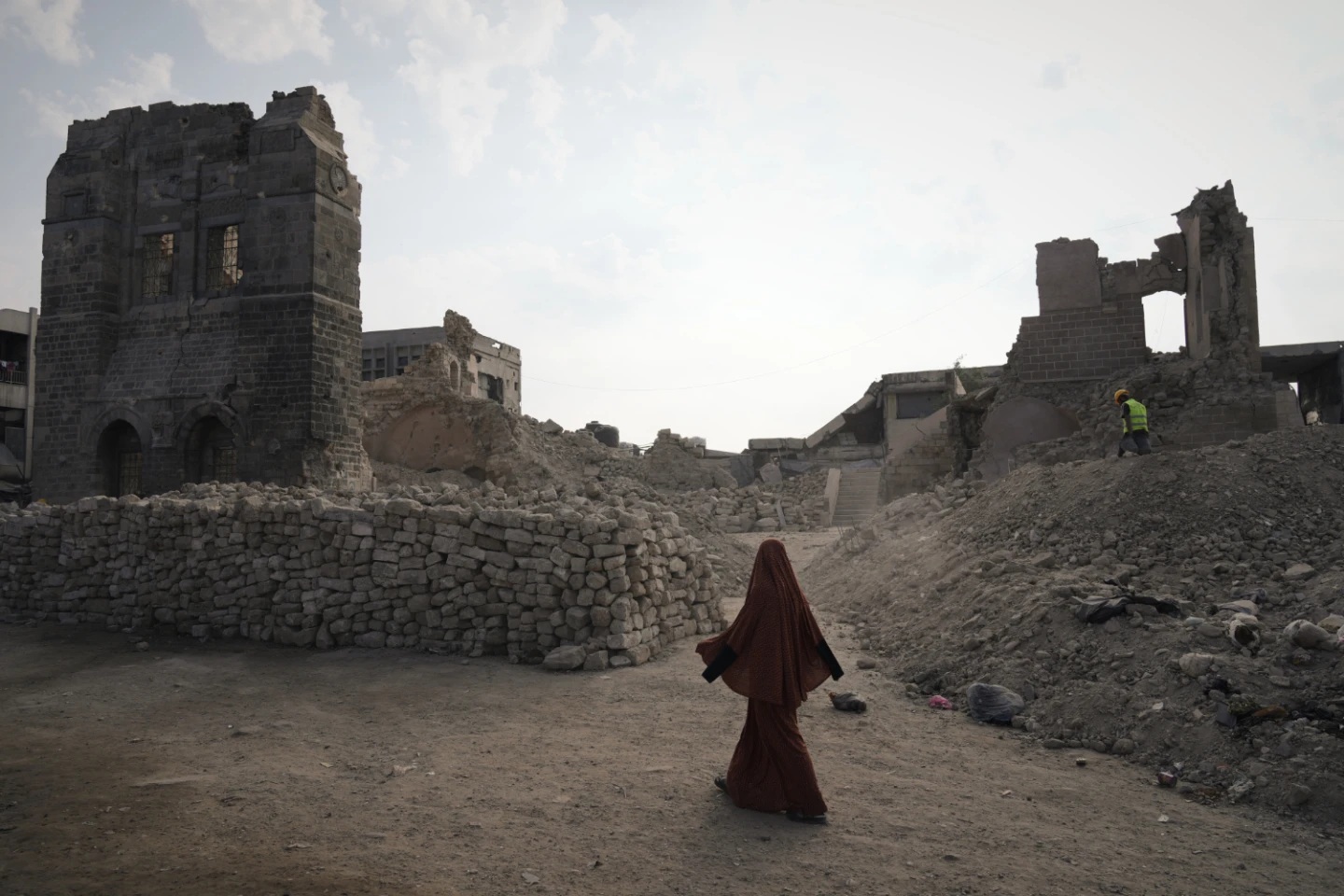
For many Palestinians, these remnants are more than artefacts. They are living links to a history too often overshadowed by conflict. Such sentiments are widespread, and the loss of cultural sites deepens the psychological wounds of war.
The Israeli military maintains that some sites were used by Hamas for military purposes deemed unsubstantiated by independent observers. Regardless of intent, the result is the same: layers of human history have been reduced to dust.
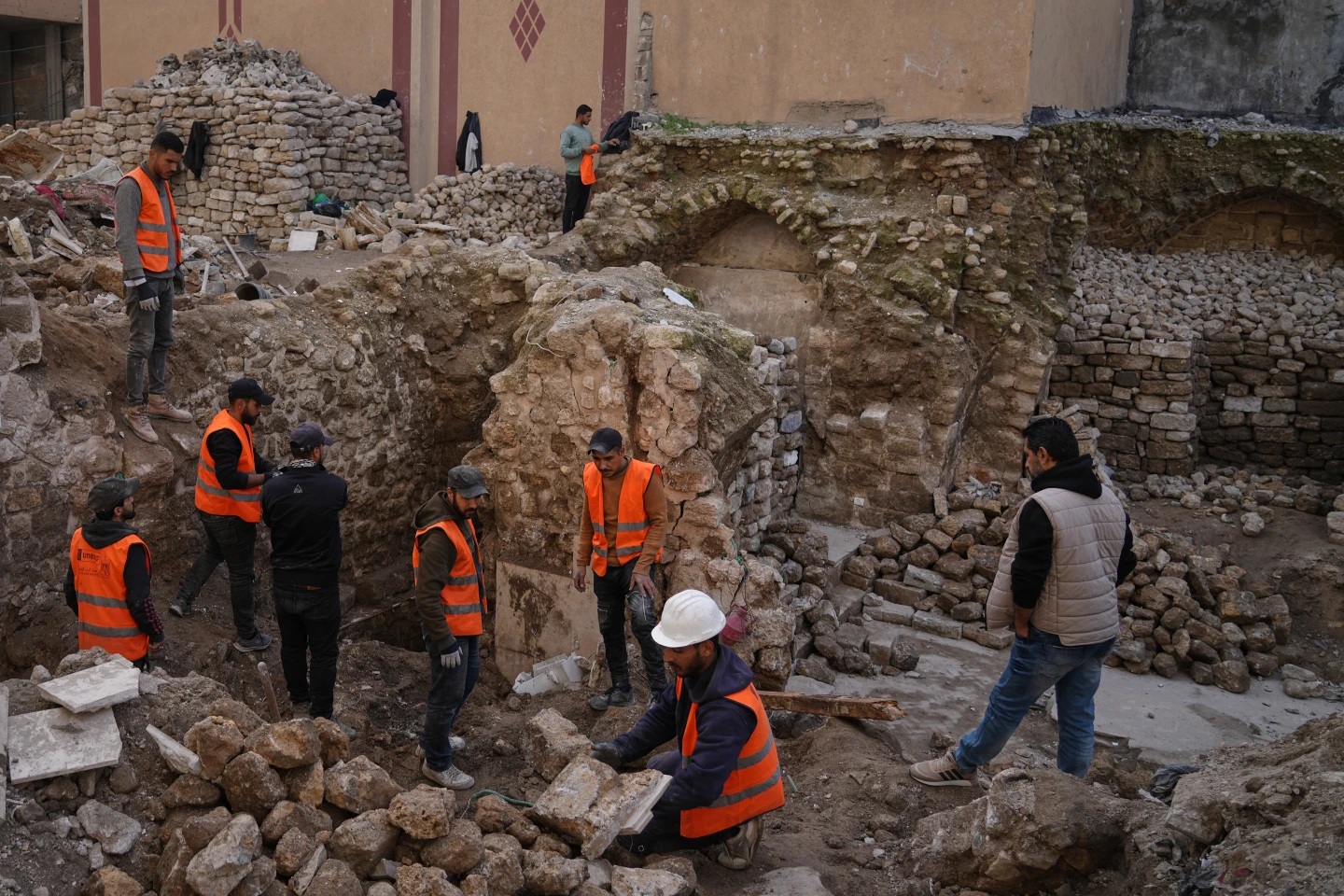
Compounding the tragedy, Gaza’s reconstruction remains stalled by blockade and political uncertainty. Preservation specialists warn that without sustained international support, many salvage efforts may stall before they truly begin.
Yet amid the ruins, there are moments of resilience: archaeologists documenting damage with digital tools, community volunteers carefully brushing away dirt from broken tiles, local scholars recording oral histories before witnesses disappear.
In those acts lies a belief that a history under threat can still be remembered, and that a future might someday be rebuilt from the lessons of the past.