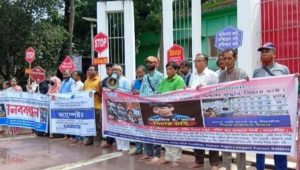
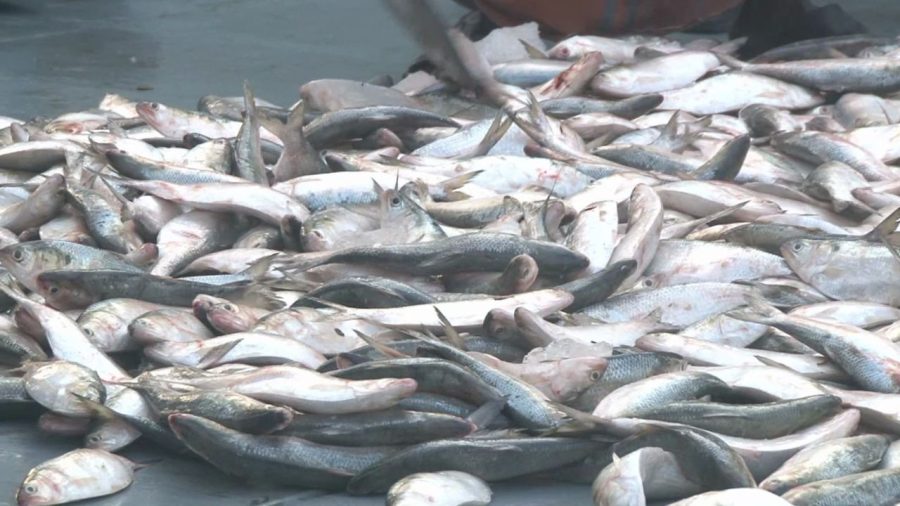

Hilsa prices have almost doubled in Lakshmipur despite the peak fishing season, triggering anger among consumers and fishers who blame syndicates, advance-financing arrangements and alleged smuggling for the sharp rise.
While prices of other fish caught in the Meghna remain relatively stable, hilsa is now selling at Tk2,000 to Tk3,000 a kilogramme at local landing stations, compared with around Tk1,000 to Tk1,100 during the same period last year.
Fishers and traders said hilsa catches have remained far below expectations this season, although the fish is normally found in abundance at this time of year.
They alleged that organised groups create an artificial shortage to push up prices, while the practice of advance financing provided to fishers also adds to costs and leaves fishers with little bargaining power over where and at what price they sell their catch.

Some traders and buyers also alleged that hilsa was being smuggled to a neighbouring country, further tightening local supplies. They said prices were unlikely to come within consumers’ reach unless such practices were stopped.
Around 53,000 fishers in Lakshmipur depend on fishing in the Meghna for their livelihoods. Fishers said that although retail prices have risen sharply, they are not receiving a proportionate benefit because part of their earnings goes to lenders who finance boats, nets and fishing expenses.




Rising fuel costs and poor catches have also increased fishing expenses.
Tofayel Ahmed, a fisherman from Majuchowdhurir Hat, and Nur Majhi of Motirhat were among those who said fishers spend long hours on the river but often return with little catch and limited income.
Lakshmipur District Fisheries Officer Md Jasim Uddin said hilsa prices were high because supply remained below demand.
“Prices will fall once supply increases,” he said, adding that natural and climatic changes had also affected fish availability.
He said recent heavy rainfall was raising river water levels and the Department of Fisheries expected hilsa catches to improve towards the end of the month.
He did not comment on the allegations of syndicate control.