
Bangladesh’s education system, education management and the entire education sector are going through a period of major reform. At the primary and secondary levels, the process of changing curricula, ensuring smart classrooms and introducing joyful learning methods has begun.
The importance of technical education is also increasing at the secondary and higher secondary levels.
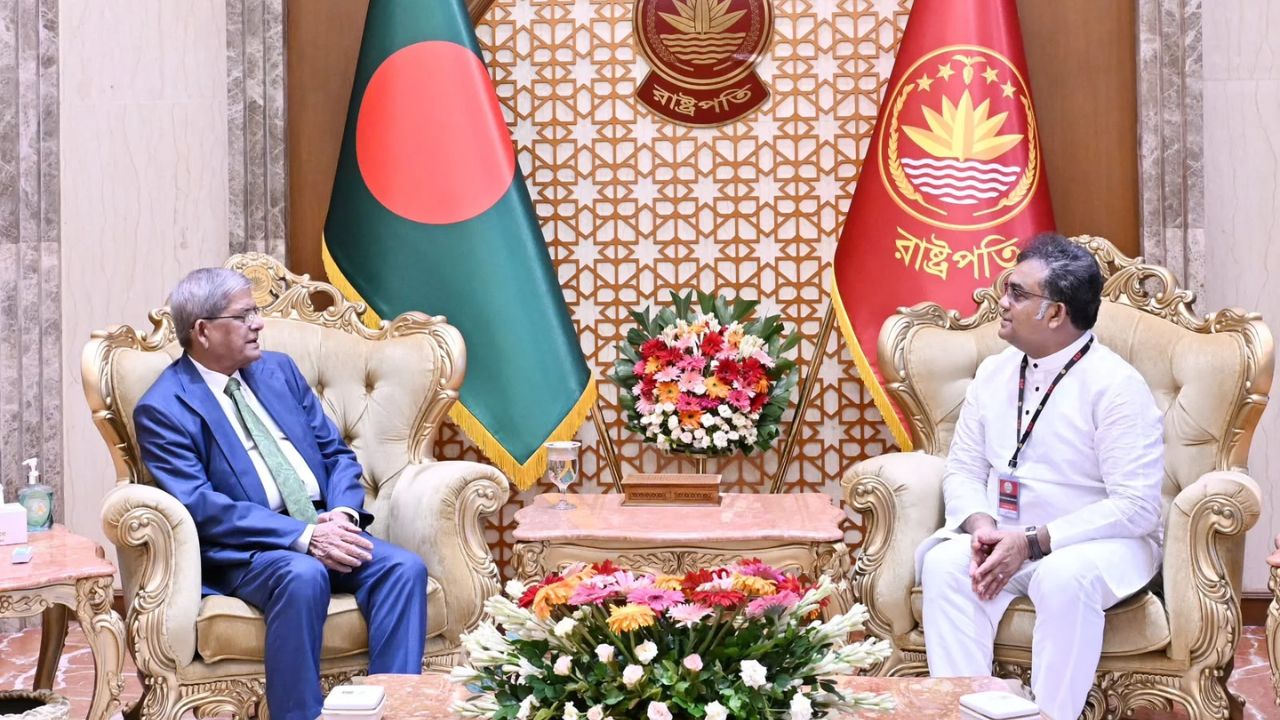
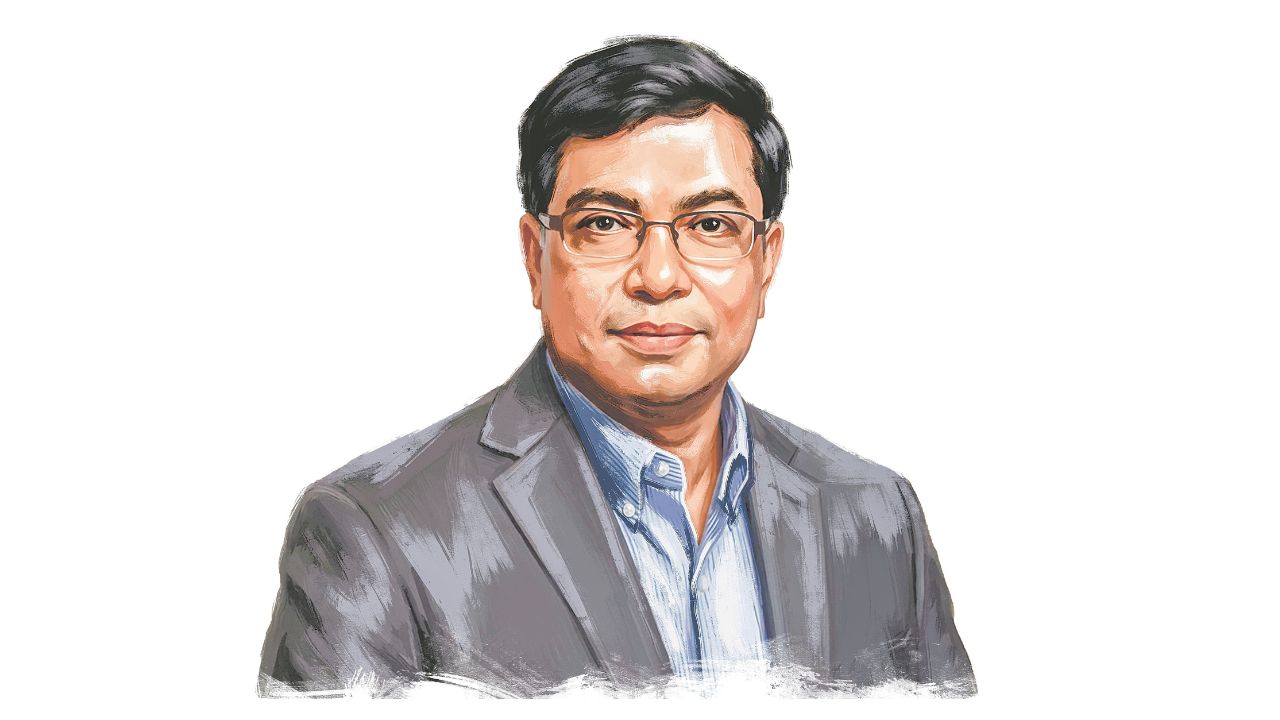
The government has repeatedly announced its intention to prioritise research and innovation-based higher education. At such a time, Professor Dr Mamun Ahmed has taken charge as chairman of the University Grants Commission (UGC), the regulatory authority for higher education in Bangladesh.
Earlier, he served as the elected general secretary of the Dhaka University Teachers’ Association and later as the university’s pro-vice-chancellor (academic).
The educationist sat for an interview with Aleem Haider of TIMES of Bangladesh on the challenges and prospects of the higher education sector.
With the increase in population, the number of higher education institutions, teachers and students has also grown steadily. However, questions have often been raised about the quality of education. As an educationist and education administrator, what are your thoughts on the country’s higher education sector?
Thank you. The problems and prospects of higher education in the country are something we all more or less know. Over the past 20 to 25 years, there have been significant quantitative changes in the education sector.
At present, we have around 180 universities. Among them, 57 are public universities and around 116 are private universities. Nearly 50 lakh students are currently studying at these institutions, including those under the National University and Islamic Arabic University.
The University Grants Commission is the guardian organisation of these institutions. UGC has the responsibility of ensuring quality education for these students and helping them become capable citizens of the country.

As the number of students has increased, the proportion of higher-educated unemployed people has reached nearly half of the total unemployed population. Was this supposed to happen?
That is exactly what I am saying. Our educational institutions have increased, and the number of students has also grown significantly. However, we have not been able to ensure quality education. This is the first challenge.
The second challenge is that, in many cases, students fail to find any connection between the education they receive and the job market. Their education often does not align with their real lives.
This means that the graduates we produce, or those created with subject-based knowledge and skills, are not becoming employable. The issue of graduate unemployment that you mentioned means we are producing a large number of graduates. But what is needed is to ensure quality education and create an education system connected to the job market and real life so that graduates become suitable for employment.
When you say education connected to life, is that what you mean?
What I mean is that if a graduate wants to pursue a career, they should be able to see a connection between their education and working life. There should be harmony between education and employment.
A large number of our students feel that what they learned during five years at university does not contribute to their professional life. This is the area where we want to focus.
A student may want to become an athlete, an independent thinker or a philosopher, and they should be able to pursue that. But even in achieving those goals, they should be able to find a connection with the education they receive from their institution.




Today, we are linking higher education mainly with the job market. That is why the term ‘industry-ready graduate’ has become popular. This is certainly necessary. But is the goal of higher education only to produce such graduates? What about knowledge creation?
I understand your question. The answer in one word is ‘no’.
Through higher education, students will gain knowledge. They will acquire subject-based knowledge and general knowledge at educational institutions. Universities will develop students through the practice of knowledge acquisition, knowledge creation and knowledge dissemination.
We are not talking about limiting the fundamental role of universities. We are saying that equal importance must also be given to skill-based education so that graduates become suitable for employment both inside and outside the country.
Let me give a small example. An engineer has a specific field of employment, and so does a doctor. But our universities have many disciplines that do not have specific job sectors.
Those who pursue higher education in these subjects will gain knowledge and prepare themselves for research, which is absolutely right. But they also need to do some form of work to sustain their lives.
Therefore, through soft skill development, we want to add abilities that allow students, regardless of their subject, to develop the capacity to find employment and build a livelihood.
When we talk about knowledge creation, research naturally becomes part of the discussion. Is the allocation given to educational institutions for research sufficient? Particularly, UGC allocates only Tk3 lakh for science-based research. Is it really possible to conduct quality scientific research with this amount?
No, there is no debate that it is not only insufficient compared with the need, but extremely low. More funding is required for greater research.
The question is why the budget is so low. I am not the right person to answer that question. However, this year we have been able to allocate around Tk226 crore as a research budget for universities.
Every country goes through different stages of development. That is why we talk about developing countries, middle-income countries, developed countries and highly developed countries.
Each stage has its own priorities. For example, what is the priority of a poor country? Ensuring food, clothing and basic needs. The priorities of a developing country are different. Then it focuses more on primary education and secondary education.
When a country progresses further, it gives more importance to higher education. Therefore, priorities depend on where a country stands in its development process.
My understanding is that because there are many other major priorities, research does not receive enough attention. But it should.
The government understands the importance of research. That is why it encourages the proper use of other sources of research funding.
What are those sources?
Generally, there are three sources from which funding for research can be collected.
The first is direct government funding. The second is international cooperation and becoming part of international joint research projects. Bangladeshi research institutions and universities can undertake collaborative projects with universities abroad.
The third is industry-academia collaboration. Through this, universities can conduct research based on the needs of industries.
The amount of government funding is limited. However, we will continue encouraging teachers and researchers to become more involved in research through the other two sources.
Why have we not seen any widely recognised research in the past two decades that has had a positive impact on society or brought changes to people’s lives?
If the available funds had been used more effectively and allocated to the areas where they were most needed, we would have seen a much better situation than we see today.
In a developing country like Bangladesh, applied research should generally receive priority. This means our research should focus on solving the problems we face.
However, many of our researchers have become accustomed to conducting research based on the priorities of developed countries. The research priorities of those countries and ours cannot be the same.
We want government funding to be used to solve our own national problems.