Bangladesh’s drive to achieve universal health coverage (UHC) is under pressure as high out-of-pocket (OOP) spending continues to strain households, with nearly 80 per cent of total health costs paid directly by patients.
The reliance on personal spending restricts access to essential services and pushes families into financial distress, although experts say UHC by 2030 remains within reach with sustained political commitment and structural reform.
The World Health Organization (WHO) defines UHC as access for all to quality services, from prevention to palliative care, without financial hardship, a core target of the 2030 Sustainable Development Goals (SDGs).
Yet data from the Health Economics Unit (HEU) show that most healthcare costs in Bangladesh are borne by individuals rather than through insurance or public financing.
Medicines account for 54.4 per cent of OOP spending, diagnostics 27.52 per cent, consultations 10.31 per cent and transport 7.77 per cent.
World Bank figures for 2023 show that OOP payments accounted for 79.31 per cent of total health expenditure. It was 69.62 percent in 2013. 9.69 percent out of the pocket expenditure increased in these 10 years.

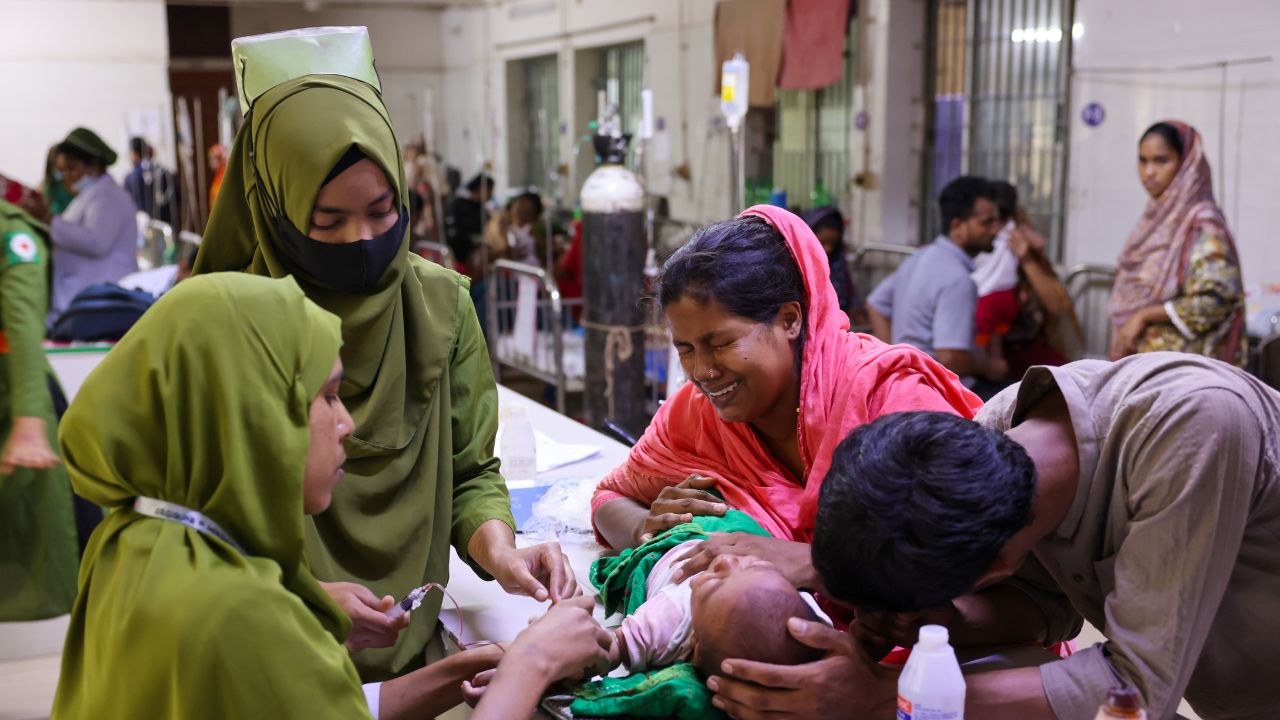
Public health experts say the pattern exposes weak primary care, forcing patients to bypass local facilities in favour of costlier secondary and tertiary hospitals, stretching both household budgets and major centres.
“High out-of-pocket expenditure reflects limited access to primary healthcare,” Mohammad Mushtuq Husain, a public health expert and former WHO consultant, told TIMES of Bangladesh. “When basic services are not available close to home, people turn to big hospitals.”
He said UHC must be anchored in strong primary care, including routine check-ups, maternal services, child monitoring and screening.
“These services prevent serious illness and reduce long-term costs,” he said, adding that legal challenges have slowed the implementation of the essential medicines policy.
He called for a ring-fenced primary healthcare allocation in the national budget to strengthen early detection and reduce household expenses.
Professor Syed Abdul Hamid of the Institute of Health Economics at Dhaka University said universal coverage goes beyond treatment.
“It includes prevention, health promotion and early detection because preventing illness is more effective than treating advanced disease,” he told TIMES.
He said lifestyle awareness, safe food, clean water and air, vaccination and screening are critical to lowering the disease burden, while rehabilitation remains neglected.
“Out-of-pocket costs must fall to around 30 per cent, which will require stronger public services and systemic reform,” he said.
Professor Hamid urged reinforcement of primary care, fully functional secondary and tertiary hospitals, and strategic purchasing or public-private partnerships to bridge service gaps.
On Sunday, Prime Minister Tarique Rahman chaired a meeting at the Cabinet Division on plans for a “Healthy Bangladesh”, outlining proposals to reform the healthcare sector.
The proposals aim to expand access to affordable specialised treatment for high-cost conditions including road accident injuries, stroke, heart failure, kidney failure and cancer.
Under the plan, a National Health Protection Authority would oversee a Health Protection Fund to purchase services from registered private hospitals through public-private partnerships.
Poor families could receive assistance of up to Tk500,000, while middle-income households would access subsidised care at prescribed rates.
Experts said progress towards UHC by 2030 will hinge on sustained financing, prevention-focused policy and a functional referral system.
Without dependable primary care, Husain warned, tertiary hospitals will remain overcrowded and costs will escalate.
Universal health coverage, they said, is not merely a policy ambition but an economic necessity, protecting families from financial shock and strengthening national productivity.