As millions of Muslims around the world prepare for the spiritual journey of Hajj and the celebrations of Eid al-Adha, many families in Gaza are confronting a painful reality.
They are being left behind in Islam’s most sacred rituals. For the third consecutive year, war, displacement and border restrictions have cut Gazans off from pilgrimage.

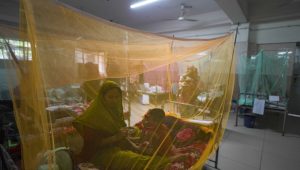
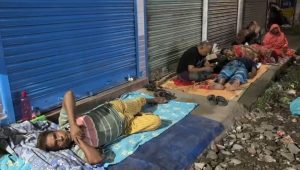
In the crowded tent camps of Khan Younis, conversations about Hajj are no longer about travel preparations or prayers whispered before departure.
They are about longing, grief and unfinished dreams. Reuters reported the story of Najia Abu Lehia, a 64-year-old Palestinian woman who had hoped to perform Hajj with her husband before he died during the war.


Their names had already been selected before the conflict erupted in 2023, but the closure of crossings turned the pilgrimage into an impossible dream.
For Muslims, Hajj is not simply a journey. It is one of the Five Pillars of Islam, an obligation deeply tied to faith, identity and spiritual fulfilment.
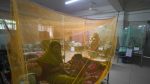



Eid al-Adha, which coincides with the pilgrimage, carries its own profound symbolism through the tradition of animal sacrifice and sharing meat with relatives and the poor.
Yet this year, Gaza will again observe the festival without sacrificial animals. Local authorities say the territory’s livestock sector has been devastated, with farms, feed warehouses and veterinary facilities destroyed during the war.

Before the conflict, thousands of Gazans travelled annually to Saudi Arabia for Hajj, while markets during Eid overflowed with sheep, cattle and festive gatherings.
Today, many families are struggling to secure even basic food supplies. Humanitarian agencies continue to warn about shortages and deteriorating living conditions across the enclave.
What makes the absence especially painful is that these rituals are rooted in togetherness.

Hajj unites believers from across the world, while Eid al-Adha is built around sharing. In Gaza, however, isolation has become part of daily existence.
As the rest of the Muslim world gathers in prayer and celebration, countless Palestinians remain trapped between war and waiting, carrying memories of traditions they can no longer fully observe.