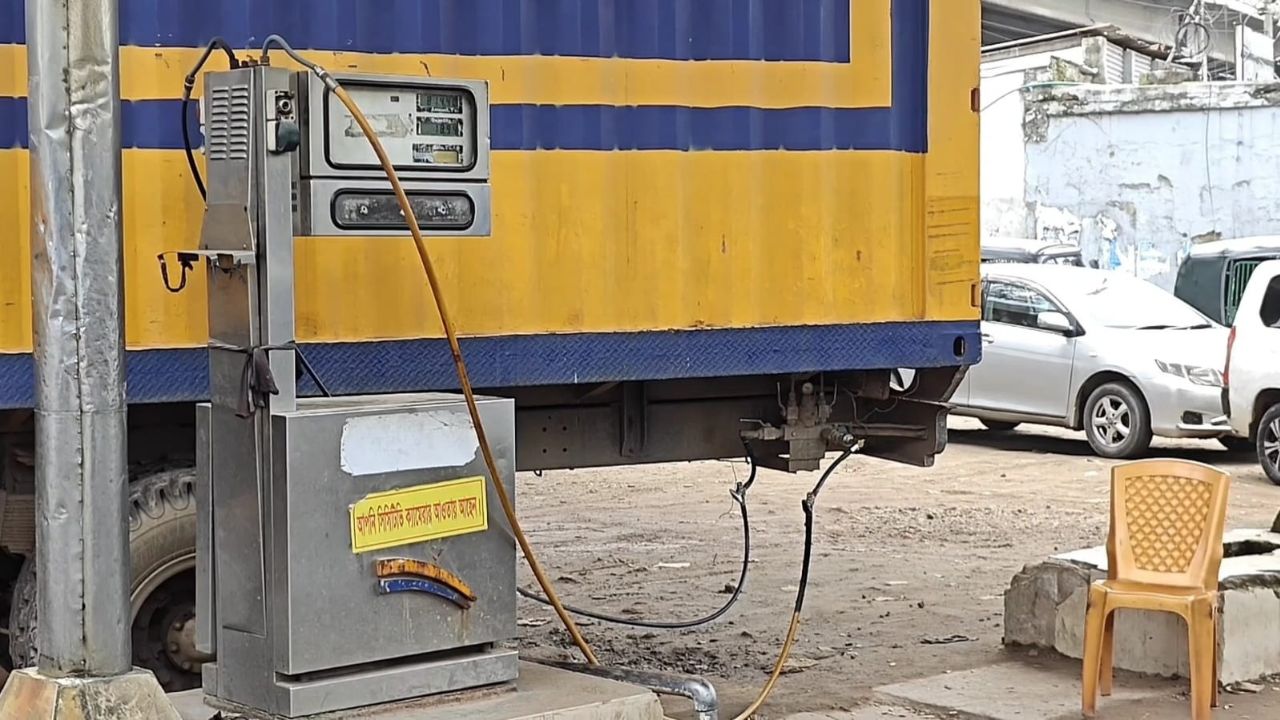



Amid a severe gas shortage in Gazipur following disruptions to the national grid supply, several CNG filling stations have allegedly been supplying gas to unauthorised open cylinders and cylinders stored inside covered vans through special arrangements.
Five people were killed in an explosion at a filling station four years ago while gas was being supplied in a similar manner. The practice, however, has continued.
Hundreds of vehicles queue up at CNG stations across Tongi-Gazipur round the clock for gas. Covered vans carrying cylinders often occupy a nozzle at a station for four to five hours at a time.
A single cylinder-loaded covered van can take gas worth Tk1 lakh to Tk1.5 lakh, according to information gathered by TIMES of Bangladesh.
Drivers said supplying gas to covered vans reduces pressure at other nozzles, forcing regular vehicles to wait longer. Even after hours of waiting, many fail to get adequate gas due to low pressure.
The manager of Mashluk CNG and Filling Station in the Mill Gate area of Tongi, Khondaker Samir Uddin, claimed that the managing director of Titas Gas had allowed gas supply to cylinder-loaded covered vans.

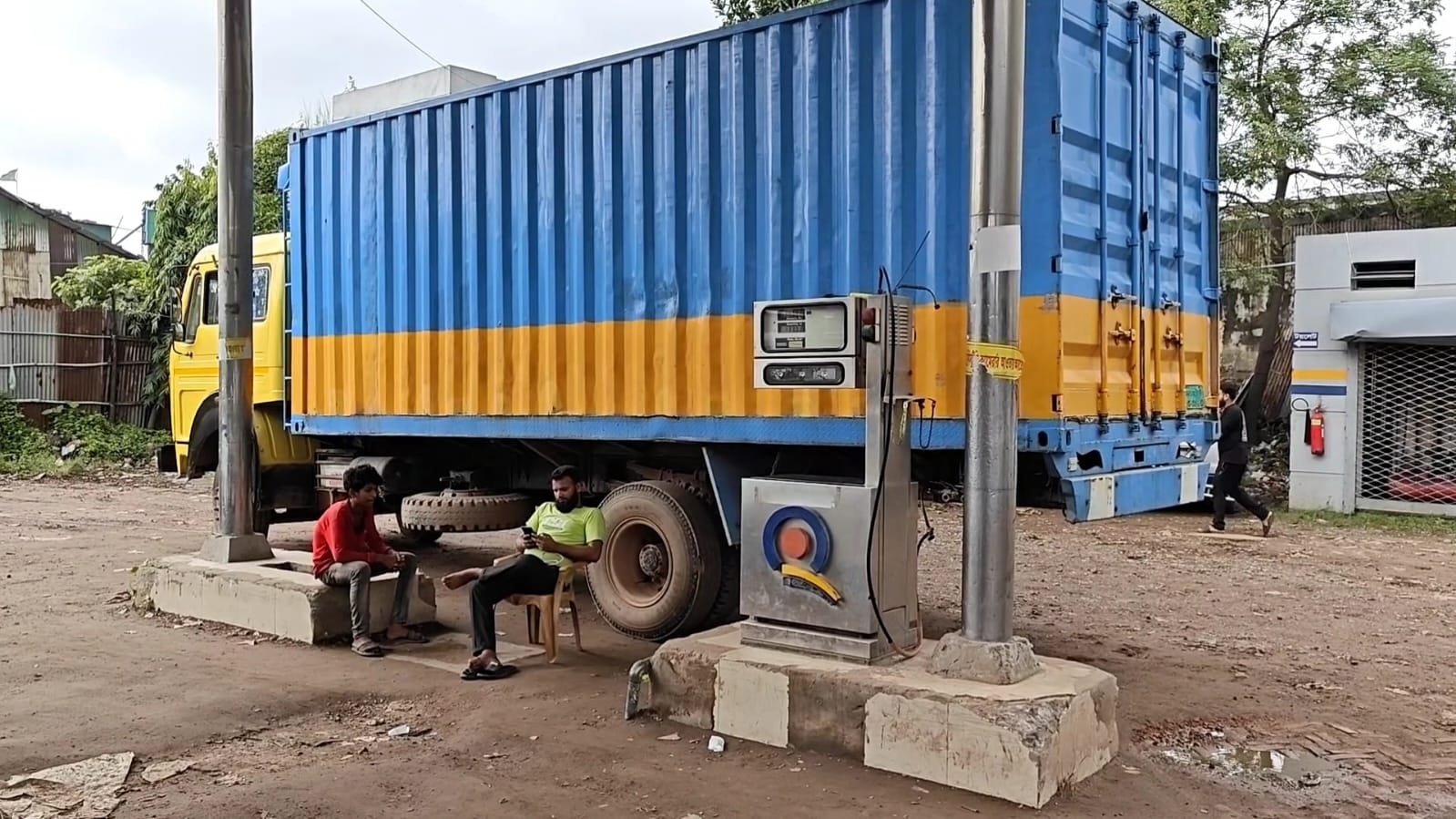
in Gazipur for illegal supply to industries amid persistent shortages in pipeline
gas supply. Photo: TIMES
However, Gazipur Titas Gas Transmission and Distribution Company Deputy Managing Director (DMD) Md Shakhawat Hossain told TIMES of Bangladesh, “Titas Gas has not given any permission to sell gas through open cylinders or cylinders loaded in covered vans.”
“Rather, letters have been sent to CNG stations discouraging gas sales through open cylinders,” he said.
Asked why such activities were not being stopped, Shakhawat said, “The responsibility for monitoring gas supply through cylinders and related safety issues lies with the Department of Explosives.”




Deputy Chief Inspector of the Department of Explosives Md Tofazzal Hossain, however, denied responsibility. Responding to TIMES, he said, “Guarding is not the responsibility of the Department of Explosives.”
“Watching these activities throughout the night is not our job. We have sent letters to deputy commissioners, upazila nirbahi officers and police stations across the country so that they take action if they find such illegal activities,” he said.
Asked whether the department’s role was limited to issuing letters, Tofazzal said, “Law enforcement is not our responsibility.”
Gazipur Metropolitan Police Additional Commissioner (Crime and Operations) Md Belayet Hossain told TIMES, “These are not legal procedures. CNG stations cannot supply gas this way. If we receive information, we will take legal action.”
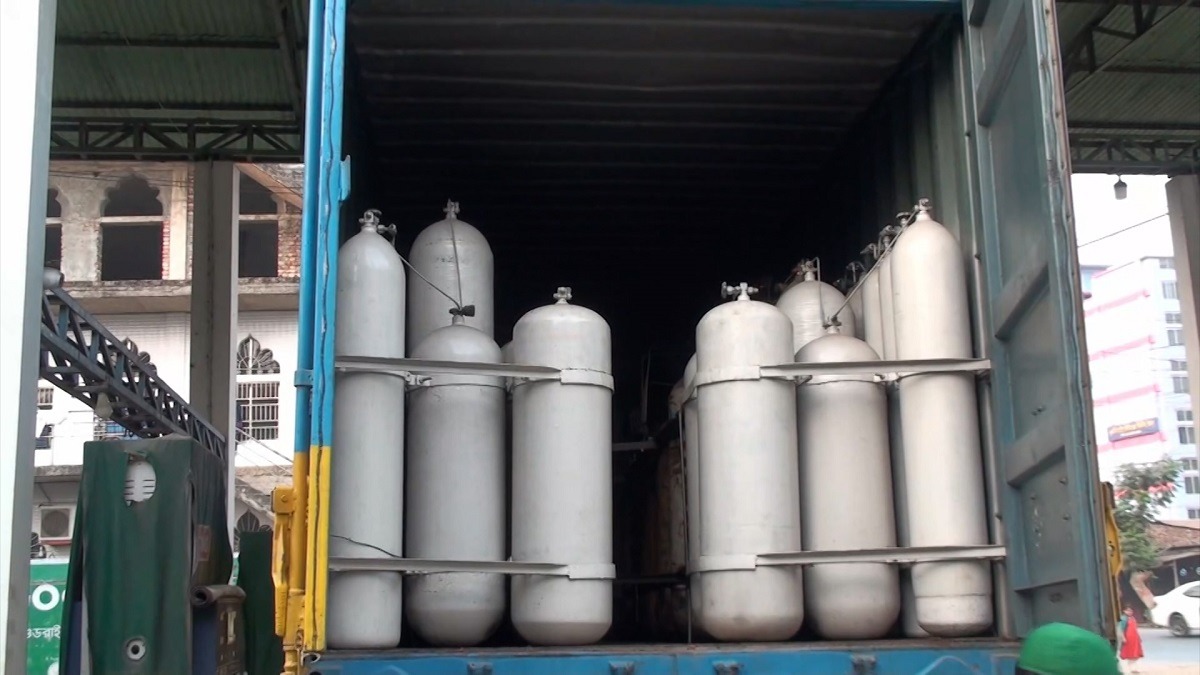
Inside covered vans, hundreds of cylinders are placed side by side through a special arrangement and connected with wiring. Gas is then supplied by attaching a filling station nozzle to the system.
Questions remain over whether these cylinders undergo regular safety checks, whether they are within their validity period and whether required renewals have been completed.
On 13 October 2022, five people were killed after a cylinder-loaded covered van caught fire while taking gas at Haji Wahed Ali Sarker CNG Filling Station in Barobari area of Gazipur.
A case was filed over the incident and Titas Gas suspended the station’s connection. Despite the tragedy, questions remain over effective monitoring by the relevant authorities.
Several drivers said they were being deprived of gas because of supplies to cylinder-loaded covered vans.

“This is happening at almost all CNG stations in Gazipur. After being stopped for a few days, they resumed the practice again by managing the administration,” one driver said.
“We cannot get gas even with legal vehicles, while they collect gas from every station throughout the day using covered vans,” another driver said.
Asked about legal documents allowing such gas collection, employees of a filling station showed a letter from the Bangladesh Garment Manufacturers and Exporters Association (BGMEA).
The letter, addressed to the Bangladesh CNG Filling Station and Conversion Owners Association, said garment factories were facing production disruptions due to the gas crisis and were unable to meet export shipment deadlines.
It requested cooperation from CNG stations for export-oriented garment factories seeking to collect gas through cylinders.