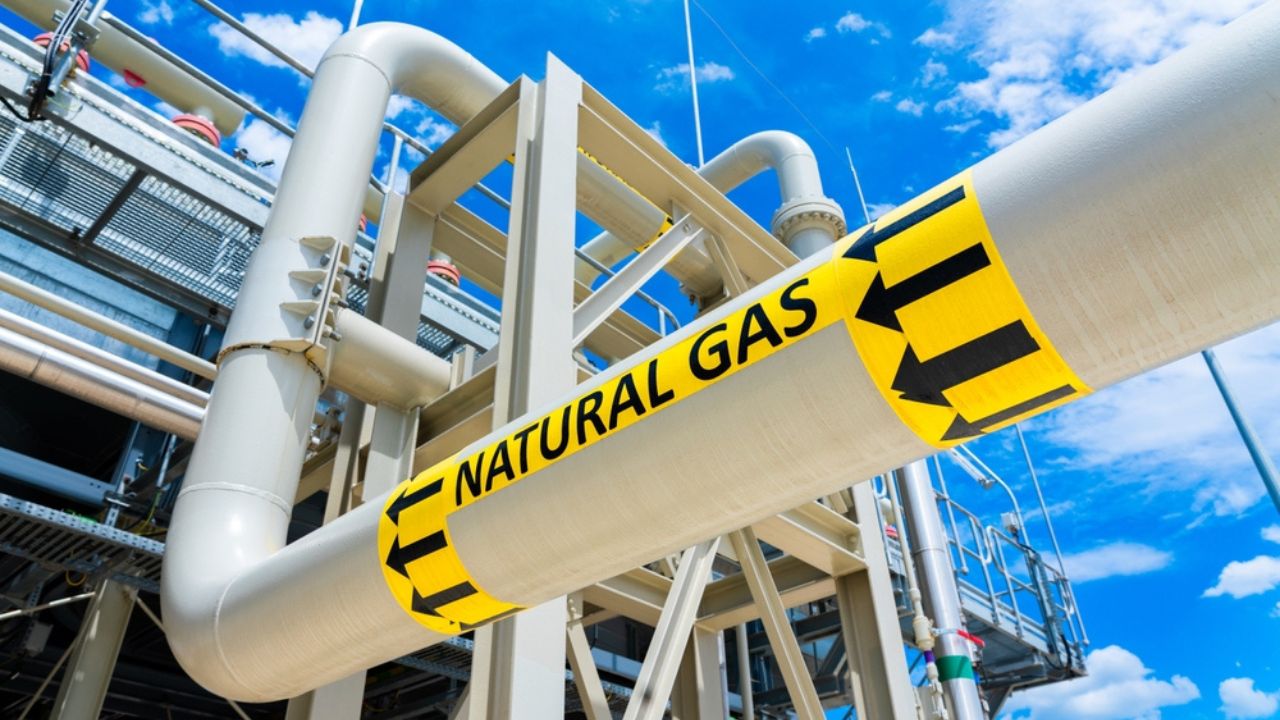



Bangladesh’s manufacturers are facing a severe energy shock as an acute gas crisis reshapes the economics of industrial production.
Persistent shortages, compounded by a month-long LNG disruption, are forcing factories to switch to expensive alternative fuels, absorb rising costs, cut output and struggle to meet delivery deadlines.
For smaller factories with limited financial buffers, running at reduced capacity is becoming more costly than shutting down operations.
Across industrial zones from Dhaka, Gazipur, Narayanganj, Manikganj and Narsingdi to Mymensingh and Chattogram, factories are operating below capacity, suspending units and sending workers home as gas pressure in some areas has fallen 80–90 per cent below normal levels.
The disruption has hit garments, primary textiles, paper, glass, ceramics, cement, steel, plastics and chemical industries that depend on steady gas supplies for boilers, furnaces, compressors and other energy-intensive equipment.
Factories built around relatively cheap pipeline gas are now relying on diesel, liquefied petroleum gas (LPG), rice husk and other fuels, sharply increasing production costs. Frequent power outages are adding further pressure through increased generator use.
Asian Group, a major garment manufacturer in Chattogram, normally produces 5,00,000–5,50,000 pieces a day. Its output has fallen to around 2,50,000 pieces during the month-long crisis, a drop of nearly 50 per cent, Deputy Managing Director Sakeef Ahmed Salam told TIMES of Bangladesh.
Factories inside and outside the Chattogram Export Processing Zone are facing similar disruptions, he said.
“Important processes such as garment finishing, steam ironing and compressor operations require uninterrupted gas and power. But generators need rest after running continuously for five to seven hours, making normal production impossible,” Sakeef said.

The shift to alternative fuels has significantly increased operating expenses.
Bangladesh Garment Manufacturers and Exporters Association Senior Vice President Inamul Haq Khan said energy and power usually account for around 10 per cent of production costs at garment factories. During the current crisis, that share has risen above 25 per cent.
Small factories are facing the greatest pressure because many cannot afford the upfront payments required for diesel and other fuels. Some are halting production rather than operating at half capacity and accumulating losses, he said.
Larger factories are also under strain, paying twice as much for rice husk and at least three times as much for diesel to run boilers.
Increased reliance on generators due to power outages has pushed electricity costs roughly threefold, Inamul Haq added.




The cost shock is hitting an industry with little ability to pass higher expenses on to buyers.
“Global buyers are asking whether Bangladeshi apparel suppliers can ensure on-time shipments,” Inamul Haq said, adding that some orders are already shifting to India, Egypt and other Asian competitors.
The crisis is even more severe for primary textile manufacturers involved in spinning, weaving, dyeing and washing.
The Bangladesh Textile Mills Association (BTMA) said around 900 of its 1,800 member factories are currently out of production. About a month ago, 60 per cent of primary textile mills were operating. The figure has now fallen to 50 per cent, with many running at reduced capacity.
Bangladesh Chamber of Industries President Anwar Ul Alam Chowdhury Parvez said primary textile mills need around 80 per cent capacity utilisation to remain commercially viable, but the gas crisis has reduced utilisation to 30–35 per cent for most factories.
“Textile mills have started losing buyers because of delayed deliveries, while some apparel buyers are asking for discounts,” Parvez said.
The bigger concern is the damage to buyer confidence. Without naming the company, Parvez said a major global brand had already reduced orders from Bangladesh by 18–20 per cent due to the gas crisis and shifted them to regional competitors.
Once buyers move orders because suppliers cannot guarantee delivery schedules, winning them back becomes difficult, turning the energy shortage into a competitiveness crisis.
The impact is also spreading beyond export-oriented industries.
Reliance Can Industries Managing Director Ekramul Haque said unplanned load-shedding was causing production losses of up to 37 per cent because plastic manufacturing machines require continuous heating before production can begin.
BSRM, the country’s leading steelmaker, is operating at around half of its normal output, according to Marketing Director Tapan Sengupta.
Steel production requires stable gas supplies for melting and rerolling. When gas pressure falls to half or below, maintaining continuous production becomes extremely difficult.
“The expensive alternatives are costing us much more, and it is not possible to pass the entire cost on to customers,” Tapan said.
“Previously, we faced some gas disruptions during calamities. But never at this level or for such a prolonged period,” he said, adding that strong market demand meant BSRM would not reduce production unless forced by the gas shortage.
For industries operating on low double-digit margins even in normal times, lower output and higher energy costs can quickly turn profitable operations into losses, Inamul Haq said.
The resulting cash-flow pressure could also leave companies struggling to service bank loans, Parvez warned.
LNG shortage exposes energy vulnerability
Bangladesh’s two floating LNG terminals at Maheshkhali can regasify 1,100 million cubic feet per day (mmcfd), with around 1,000 mmcfd normally supplied to the national grid.
Repeated disruptions over the past month have reduced that supply. Excelerate Energy’s floating storage and regasification unit stopped supplying gas at 2:40pm on Wednesday due to a cargo shortage, according to Engineer Muhammad Nasir Uddin, deputy general manager (LNG) of Rupantarita Prakritik Gas Company.
Summit LNG is currently supplying around 570 mmcfd, leaving available LNG at about 57 per cent of normal levels. A new Excelerate cargo is expected on 23 August, but RPGCL sources said supply is unlikely to improve significantly before then.
The shortage is also affecting power generation, with several gas-based plants remaining idle.
BSRM Group Chairman Alihussain Akberali said emergency LNG purchases alone cannot solve the problem.
He urged the government to assess whether existing regasification capacity can meet demand over the next decade and, if necessary, build floating or land-based facilities on a “war footing”.
He also called for spot-market LNG purchases, support from friendly countries and a floating industrial gas price linked to international LNG prices, with subsidies during periods of exceptionally high prices.