Bangladesh should adopt a realistic and balanced national budget for fiscal year 2027 as persistent inflation, weak revenue mobilisation and subdued investment weigh on the economy, the Centre for Policy Dialogue (CPD) said on Tuesday.
Presenting its budget recommendations, the think tank said the government’s first budget since assuming office will be prepared amid multiple domestic and global challenges, including slow revenue growth, banking sector pressure and uncertainty in global energy markets.
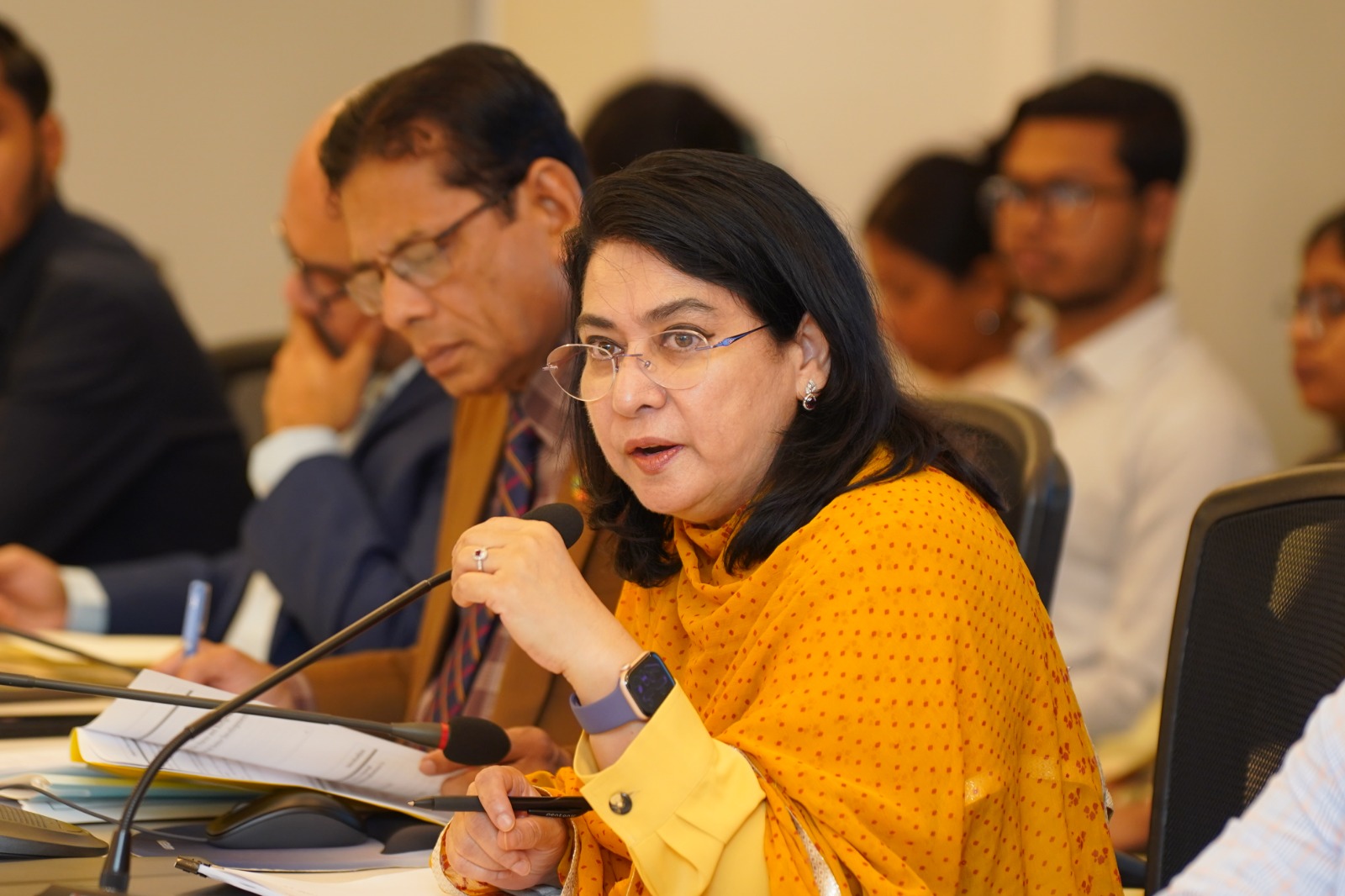
“Policymakers must address short-term economic pressures while undertaking medium-term structural reforms to ensure macroeconomic stability,” said CPD Executive Director Fahmida Khatun.
Tax collection by the National Board of Revenue grew only 12.9 per cent between July and January of fiscal year 2026 against an annual target of about 34 per cent.
To meet the target, revenue collection would need to increase by around 59 per cent in the remaining months of the fiscal year, which CPD said appears highly unlikely.
The shortfall has already created a revenue gap of about Tk60,000 crore during the seven-month period.
Fiscal pressure has increased the government’s reliance on bank borrowing.
The government borrowed about Tk59,655 crore from banks between July and December of the current fiscal year.

In contrast, the government repaid roughly Tk10,000 crore to the banking system during the same period of the previous fiscal year.
CPD warned that continued reliance on bank borrowing to finance the budget deficit could crowd out private sector credit and weaken investment.
Implementation of development spending has also slowed significantly.
Only 20.3 per cent of the Annual Development Programme was executed between July and January, the lowest rate in about 15 years.
Weak project management, institutional inefficiencies and efforts to restrain capital-intensive spending contributed to the slowdown, CPD said.




Private investment remains subdued, standing at about 22 per cent of gross domestic product in the previous fiscal year, the lowest level in a decade.
Foreign direct investment remains limited as well, accounting for less than 0.5 per cent of GDP.
Boosting investment and employment should therefore become a central priority of the next budget, CPD said.
The organisation urged the government to simplify business registration, licensing, tax filing and regulatory compliance through digital platforms.
It proposed creating an integrated one-stop digital platform linking Bangladesh Investment Development Authority, National Board of Revenue, Bangladesh Economic Zones Authority, Bangladesh Export Processing Zones Authority and the Registrar of Joint Stock Companies and Firms.
CPD welcomed the recent easing of restrictions on profit repatriation by foreign investors but said the measure alone will not revive investment flows.
Investors must be able to enter the market easily and exit without unnecessary complications, CPD representatives said.
They warned that if existing investors face difficulties repatriating capital or profits, it sends a negative signal to potential new investors considering Bangladesh.
However, the investment climate remains constrained by structural issues including complex licensing procedures, regulatory uncertainty and delays in utility connections.
Without addressing these bottlenecks, easing repatriation rules alone will not attract significant new investment, the organisation said.
Macroeconomic stability remains a concern as inflation continues to exceed official targets.
Consumer price inflation stood at 8.6 per cent in January, well above Bangladesh Bank’s target of seven per cent.
CPD said inflation cannot be controlled by monetary policy alone and requires coordinated fiscal, trade and market management measures.
The organisation also warned that geopolitical tensions in the Middle East could increase energy import costs for Bangladesh, creating additional pressure on inflation and foreign exchange reserves.
Given these risks, CPD said the FY2027 budget should prioritise food production, agricultural support, social protection programmes, energy security, health and education spending.
It also recommended reviewing development projects to remove politically motivated or low-priority investments and redirect resources towards human capital development.
Projects that have already achieved more than 85 per cent implementation should receive priority for completion, while long-delayed projects with very low progress should be reassessed.
The organisation also called for stronger revenue administration to expand the tax base and reduce leakages.
Bangladesh’s tax-to-GDP ratio stands at about 6.8 per cent, one of the lowest in Asia.
Improving compliance through digitalisation, stronger enforcement and institutional reform could significantly increase revenue without raising tax rates, CPD said.
Fahmida Khatun said a credible revenue framework and efficient public spending will be crucial for maintaining macroeconomic stability and strengthening the long-term foundations of Bangladesh’s economic growth.