When the results of the New York City mayoral election were announced on November 4, 2025, Zohran Mamdani emerged as the winner, marking a historic moment for the city. At 34 years old, Mamdani has become the first Muslim mayor and its youngest in a century.

His victory represents not only a personal achievement but a shift in the political landscape of one of the world’s most influential cities.
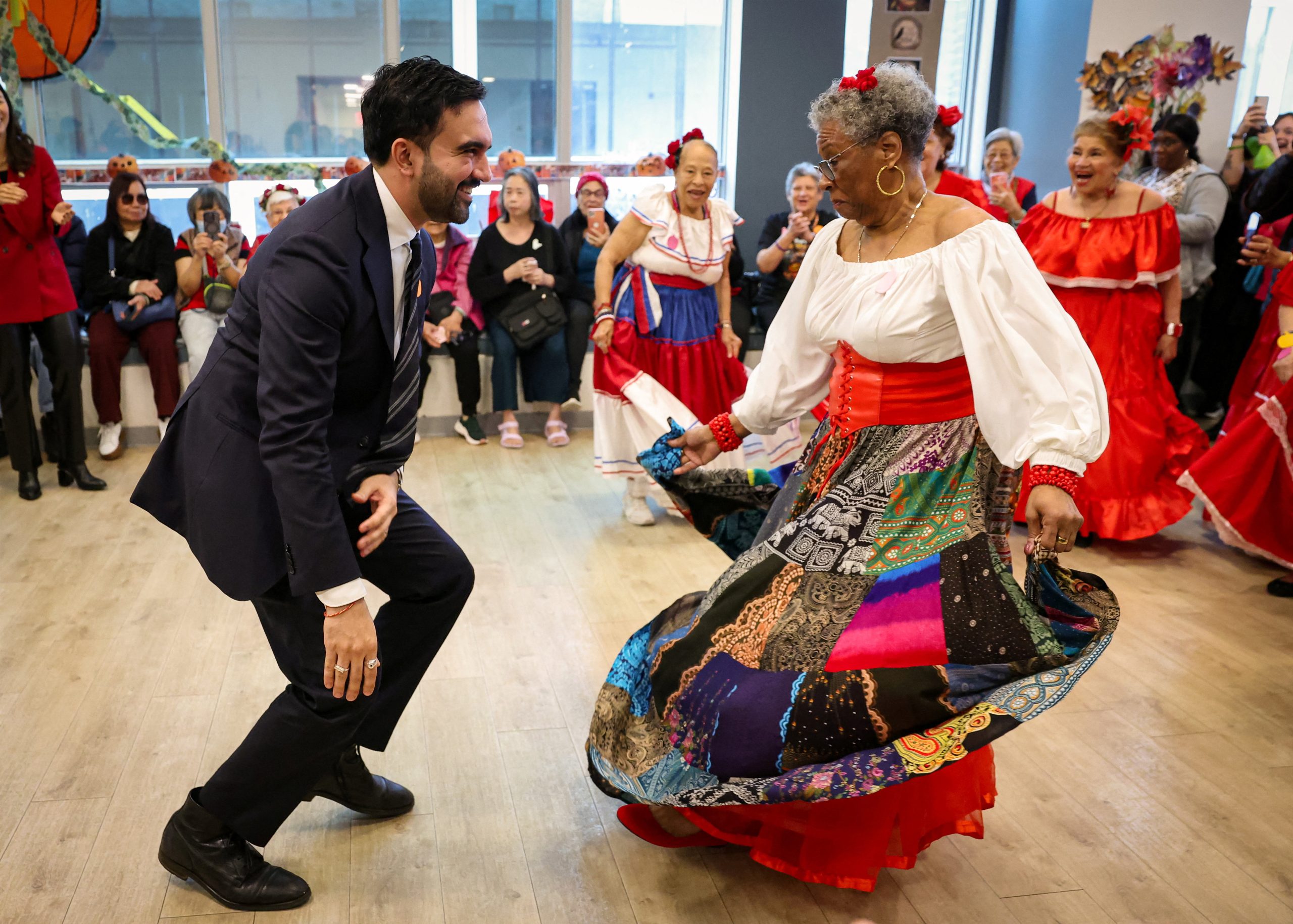
Mamdani’s campaign was unlike anything the city had seen in years. He didn’t offer small, cautious promises. He talked about fare-free subway rides, universal childcare, freezing rents on rent-stabilised apartments and raising the minimum wage to thirty dollars an hour by 2030.
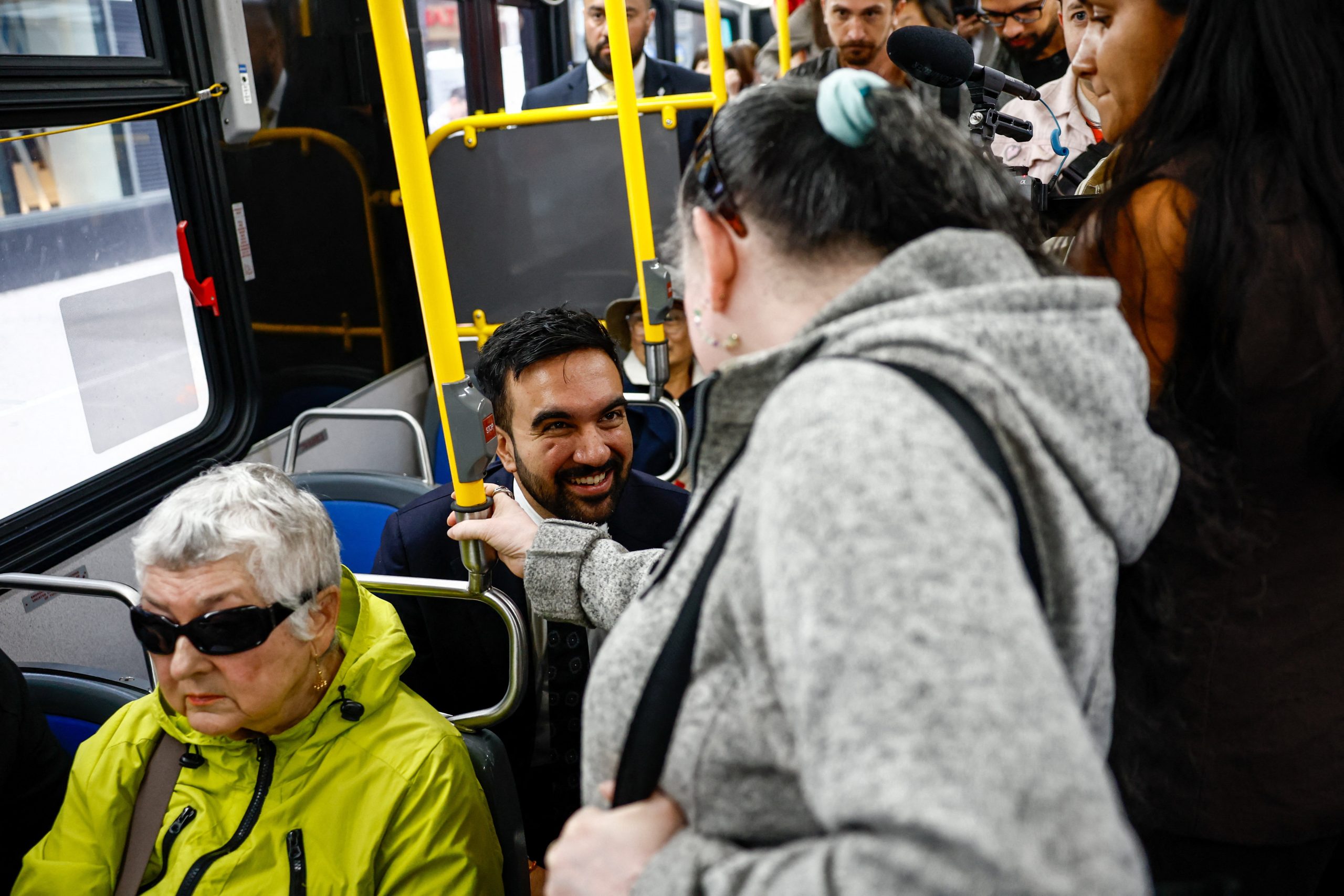
Some called these ideas audacious, even impossible. But for many New Yorkers struggling to make ends meet, they made sense. They were practical answers to everyday problems, presented with a confidence that made voters believe he could actually deliver.

Part of what made Mamdani’s approach so effective was the way he spoke to the city. He didn’t just rely on TV ads or polished speeches. He went to neighbourhoods, addressed immigrant communities in their own languages and incorporated South Asian music and references into campaign events.
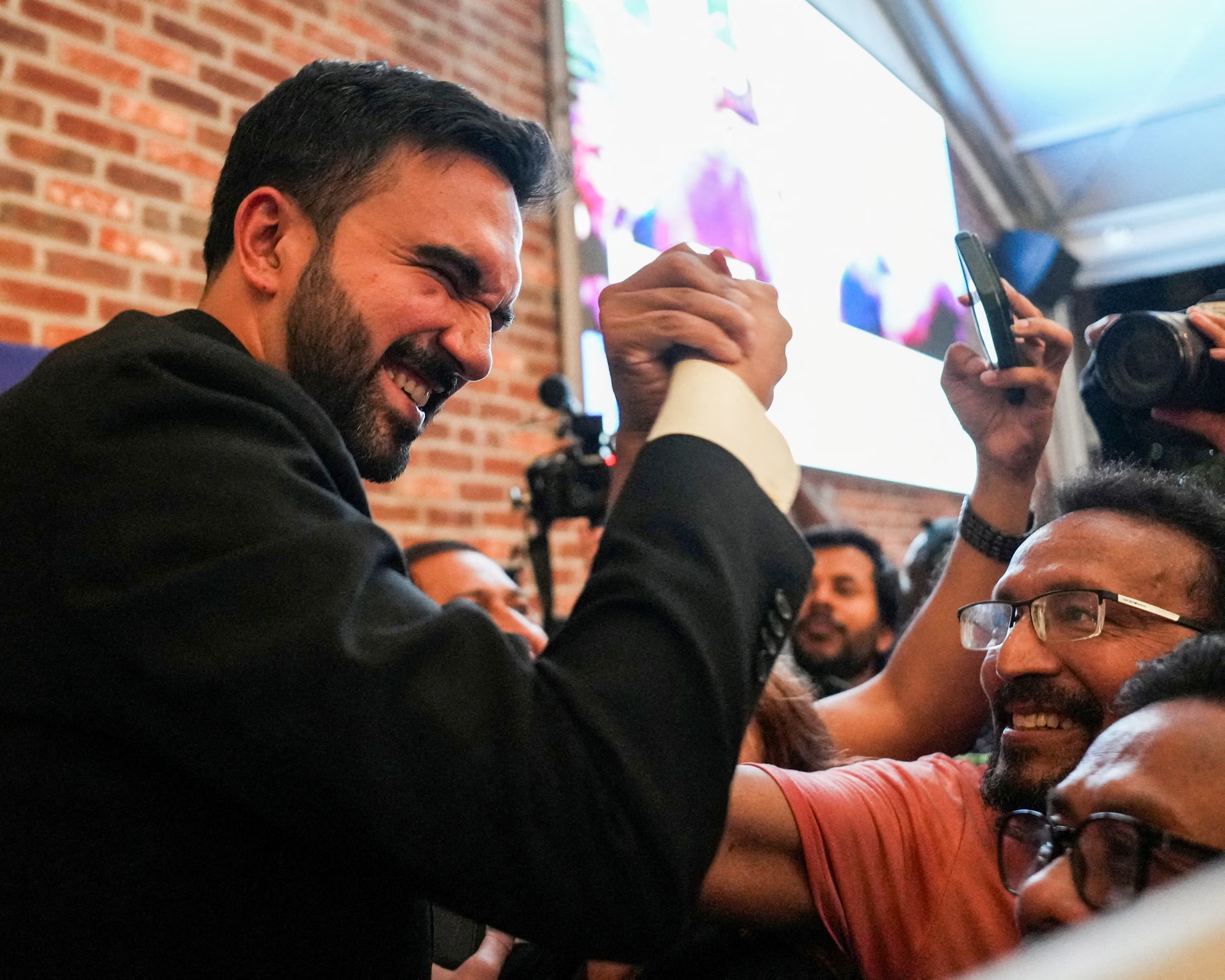



On social media, his posts weren’t just announcements, they were conversations, jokes, memes and short videos that felt alive and human. Young voters, first-timers, and people often ignored by mainstream campaigns felt like they were part of the story, not just spectators.
On the streets, the campaign had its own rhythm. Volunteers knocked on doors, stayed for cups of tea and listened to people’s frustrations. They didn’t just hand out flyers; they asked questions, took notes, learned what mattered to each block and borough.
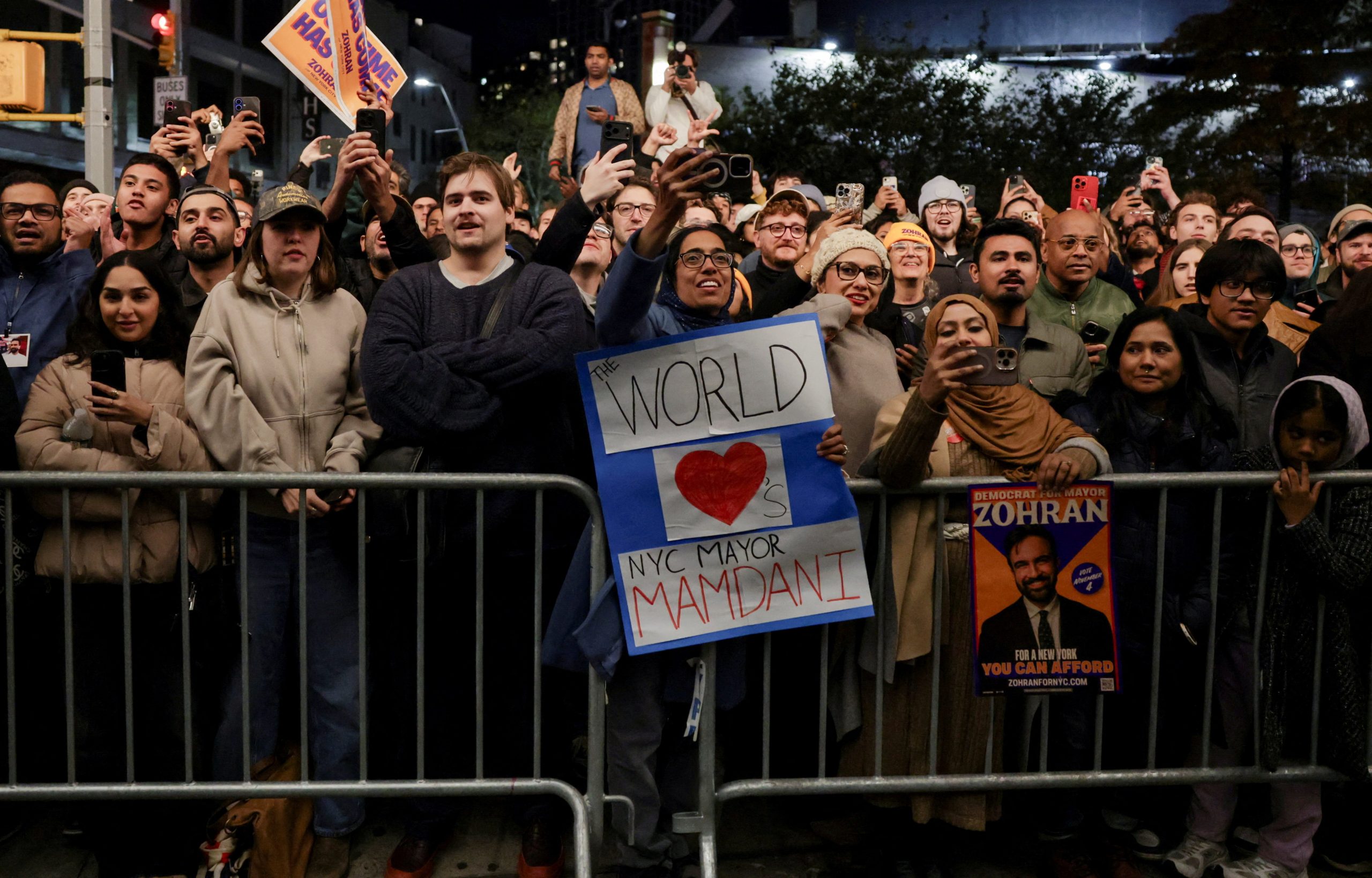
It was painstaking work, but it built trust and a sense of shared purpose. People who might normally stay home on election day felt compelled to vote, and to bring their neighbours along.
Mamdani’s win over a seasoned political veteran highlighted just how much New Yorkers wanted something different. They were drawn to a candidate who seemed to reflect the city itself: diverse, restless, ambitious and alive with possibility. His campaign became a statement. Politics could be bold, personal, imaginative and still serious about solutions.
As New York prepares for the start of Mamdani’s term in January 2026, attention is shifting to the challenges of governance. The campaign energy and imaginative vision that propelled him to victory now face the test of implementation.
Regardless of what lies ahead, Zohran Mamdani’s ascent to the mayoralty marks a historic and symbolic victory, signalling the power of an inventive campaign to transform possibilities into reality in the city that never sleeps.