



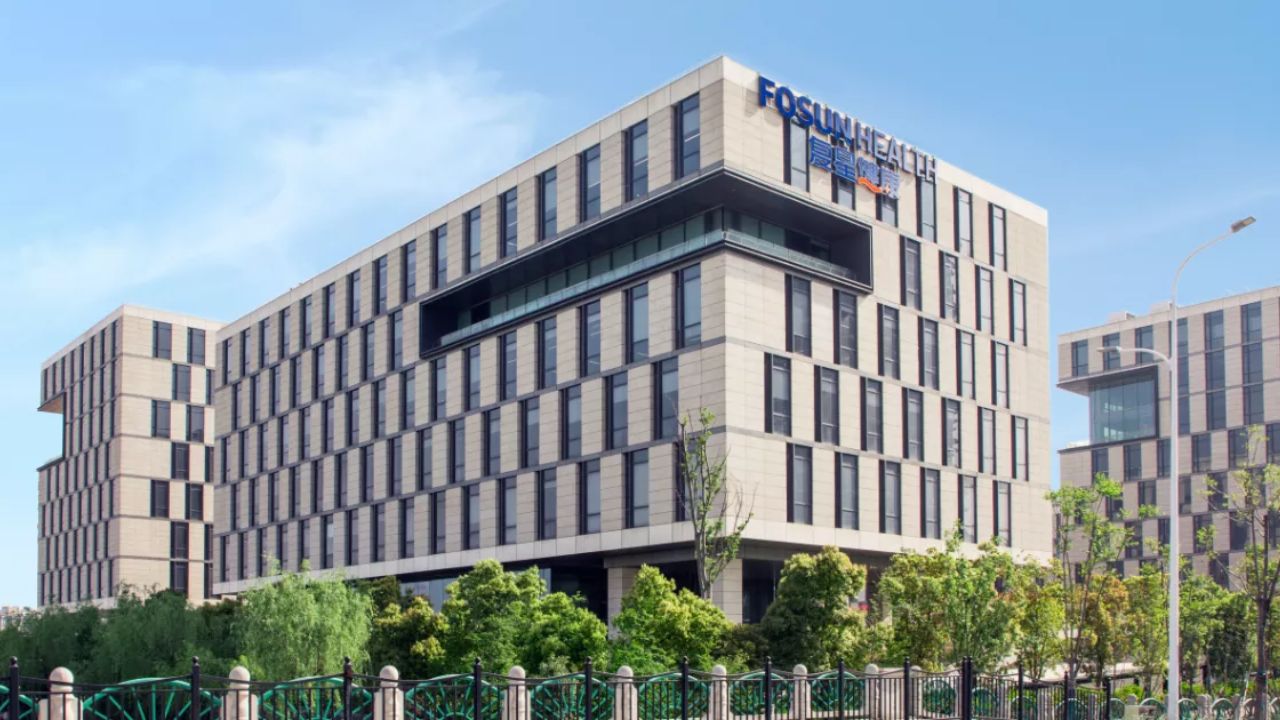
Fosun Hospital Guangzhou, a member of Fosun Health, has successfully completed the cell collection procedure for the first gastric cancer patient treated via the Kailimei (Satricabtagene Autoleucel Injection, R&D code: CT041) therapy pathway in the Greater Bay Area.
Kailimei is the world’s first approved CAR-T cell therapy product indicated for solid tumours. Its approval marks a significant milestone in advancing CAR-T therapy beyond haematologic malignancies, offering a new therapeutic option for eligible patients suffering from advanced gastric cancer and gastro-oesophageal junction adenocarcinoma, reports UNB.
Chen Tao, director of the International Medical Centre at Fosun Hospital Guangzhou, said that the completion of this first patient cell collection marks the official initiation of standardised clinical application for the therapy. He said that it provides a new treatment option for patients with advanced gastrointestinal cancers.
Clinical Implementation and Management
Cell collection is the critical first step in the CAR-T treatment process. The patient will now proceed through personalised cell manufacturing, pre-infusion preparation, treatment monitoring, and long-term follow-up.
Fosun Health is one of the first medical institutions in China to complete evaluation and certification by regulatory authorities for the standardised clinical application of this product. The hospital has established a full-cycle cell therapy management system to provide professional support throughout every stage, including patient selection, risk assessment, and multidisciplinary collaboration.
Case Study: International Patient Care
The first patient to undergo this procedure at the hospital had previously received 10 cycles of chemotherapy and targeted therapy in South Korea. As disease control and symptom relief fell short of expectations, the patient sought further treatment at Fosun Hospital Guangzhou.
Following a comprehensive assessment by the hospital’s multidisciplinary team (MDT), an integrated oncology treatment plan was developed. After staged treatment improved the patient’s physical condition and controlled ascites, the medical team successfully connected the patient to the Kailimei pathway.
Expertise and Future Outlook
The cell therapy team is jointly led by two oncology specialists with Harvard postdoctoral experience and dual certifications in China and the United States. This team collaborates with specialists from oncology, haemodialysis, critical care medicine, and other disciplines. The core capability of the team lies in proactive risk management, creating a closed-loop system from risk prediction to recovery support.
Moving forward, Fosun Health intends to use this launch as a starting point to further develop its professional cellular therapy system covering both haematologic malignancies and solid tumours. The organisation aims to accelerate the transition of China-originated innovative therapies into standardised and accessible healthcare services for patients worldwide.


