




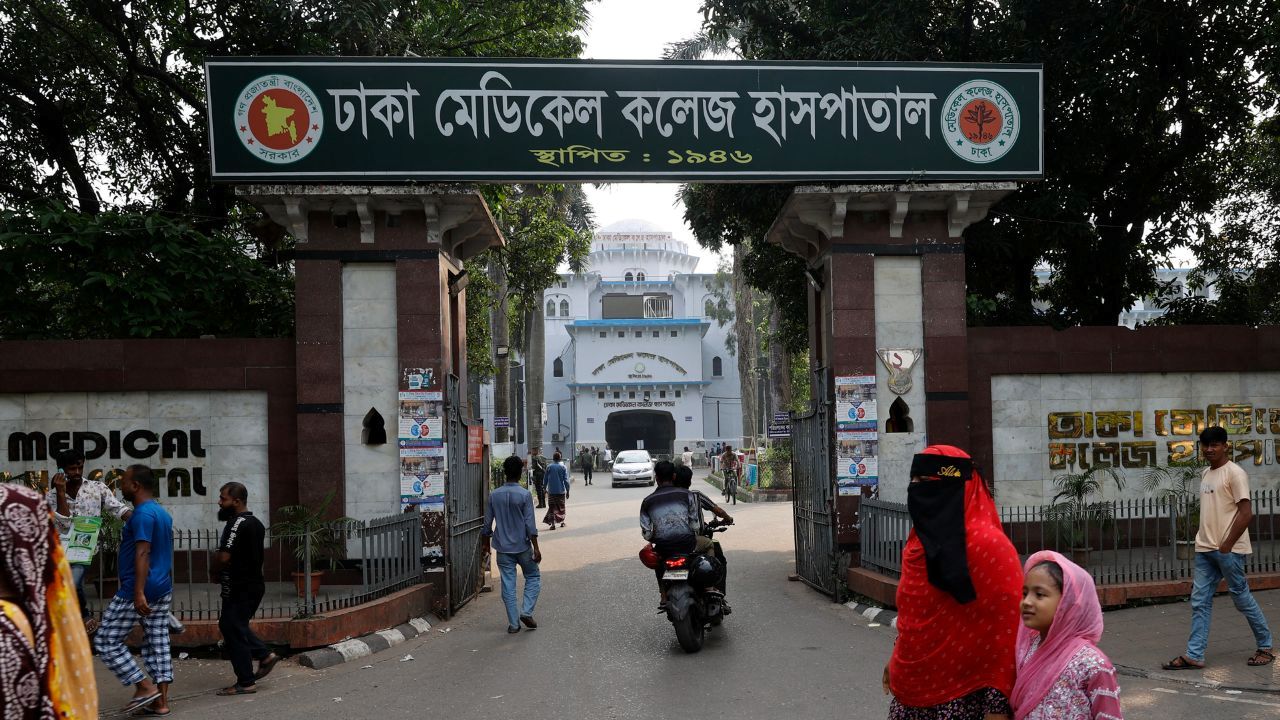
Dhaka Metropolitan Police (DMP) has launched a five-day special drive to clear footpaths and roads in the capital, but in the area surrounding Dhaka Medical College Hospital, footpaths and roads have been re-occupied by mobile vendors just a day after the eviction.
As a result, traffic congestion has returned to the roads adjacent to the hospital, with ambulances carrying patients often stuck for long periods.
On Thursday, the second day of the drive, six establishments in the Dhaka Medical area were fined a total of Tk20,000 and one person was detained.
However, the situation changed shortly after the operation ended.
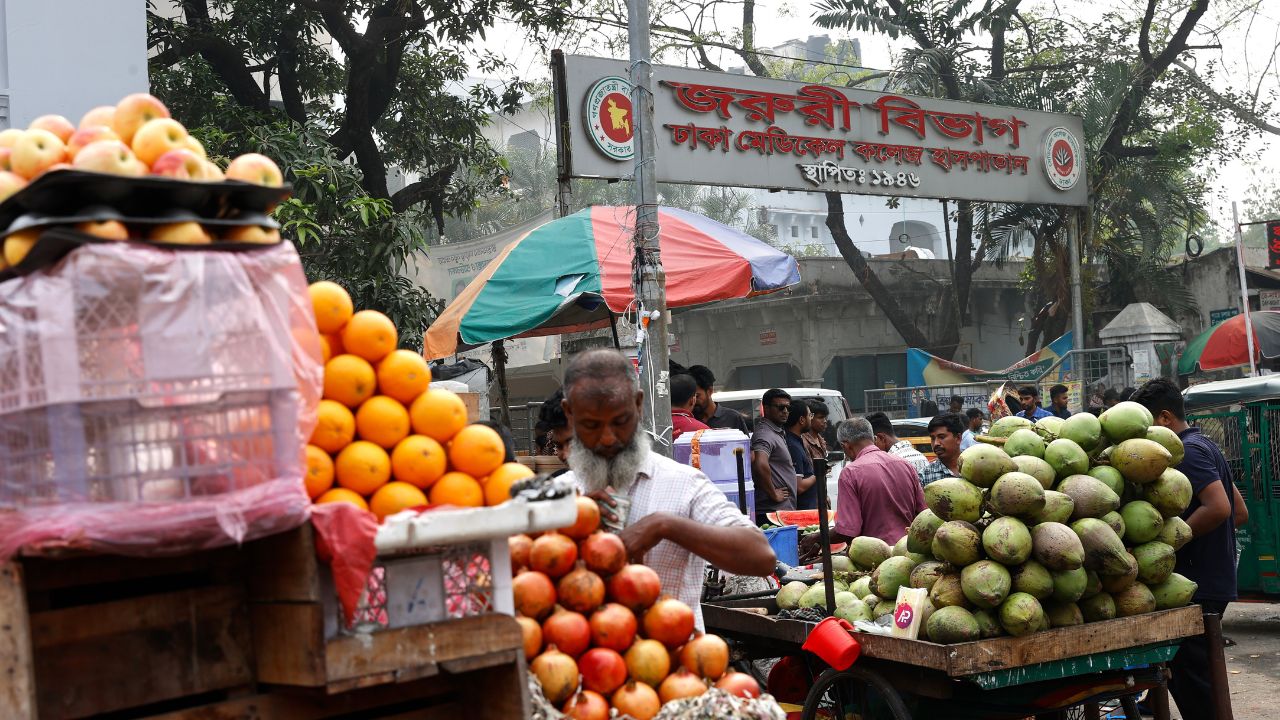
A visit to the area on Saturday showed that from the emergency gate of Dhaka Medical College Hospital to the front of the new building, both footpaths and the main road were once again filled with rows of temporary stalls. The entire stretch was crowded with vans, food carts and colourful umbrellas.
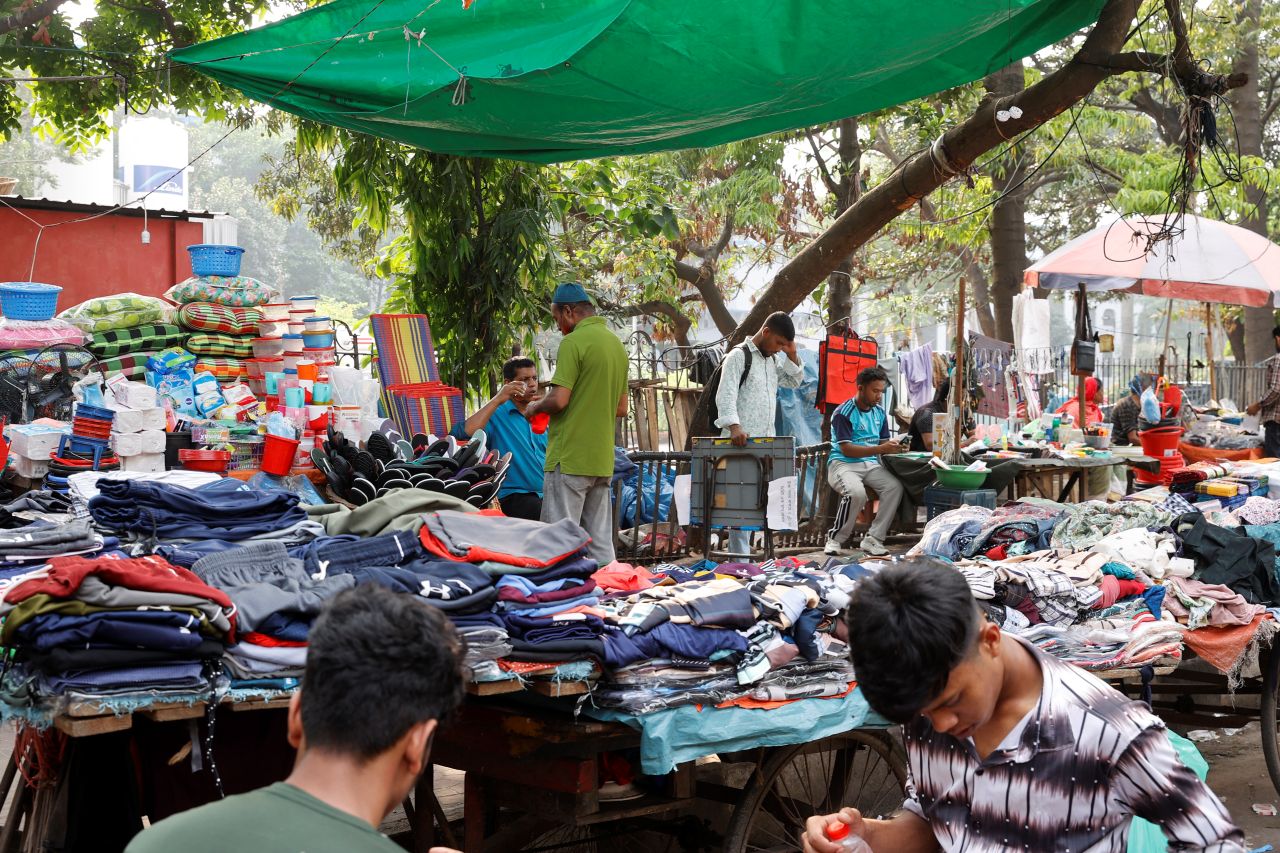
Vendors selling soup, fruit, water and various food items for patients have set up shops right beside the hospital gate, narrowing the road in front of the facility.
On one side, ambulances are parked in rows opposite the hospital, while on the other, the road is occupied by mobile stalls, creating congestion and increasing the risk of accidents. Ambulances were also seen struggling to enter and exit the hospital premises.
Locals say the situation is not new. According to them, eviction drives have been carried out many times in the past, but the area returns to its previous state within days.
Arman Hossain, a pharmacy owner near Dhaka Medical, said, “They remove them, but as you can see, they are back again. Traffic congestion is constant. Even if shops are dismantled, they return with vans and pushcarts.”
A traffic officer on duty at an intersection near the burn unit shared a similar experience, saying, “They are evicted, but they come back again. It is like a cat-and-mouse game. We struggle to manage the congestion caused by these stalls, and the situation becomes more complicated as ambulance movement is disrupted.”
The vendors, however, have their own justification. Mobile fruit seller Jasim Mia said, “Patients are our customers. There are no markets nearby. We sit here for their convenience.”
Halima Begum, a relative of a patient, echoed the same view, saying it is not always possible for people coming from afar to bring food with them, making such stalls necessary.
Md Rubel, an employee at a mobile food stall near the main gate, said, “Our food is cheaper, and patients’ relatives are our main customers. That is why there is demand.”
For many, it is not just business but a matter of survival. Mobile vendor Mosammat Ayesha said she is forced to play a cat-and-mouse game with the law to earn a living.
A resident of Patuakhali, she runs a temporary stall in the area to support her family and cover the medical and living expenses of her daughter with special needs after losing her husband.
After police removed her stall on the afternoon of 2 April following the announcement of the drive, she cleared her goods but returned the next day out of necessity. This time, instead of a fixed stall, she sold cooked food from a van so that she could quickly move if eviction teams arrived.
DMP Additional Commissioner (Traffic) Md Anisur Rahman said that legal action, including filing cases, is being considered if areas are reoccupied after eviction. Plans are also in place to record video evidence of such reoccupation.
He said footpaths and roads designated for public use would not be allowed to be occupied illegally under any circumstances.
Urban planner Nurunnahar Mili said the repeated return of mobile vendors after eviction reflects a long-standing structural problem.
Speaking to Times of Bangladesh, she said, “Alternative spaces and livelihood opportunities must be created for them.”
She said that the issue should not be viewed solely through law enforcement but addressed through planned formalisation.
“If designated and approved shops or service facilities are developed near the hospital to meet patients’ needs, illegal occupation will reduce significantly. It will create an organised system and eliminate the need for unregulated vending,” she said.
According to her, a sustainable solution requires planned alternatives, designated commercial spaces and efforts to bring vendors under a formal framework.

