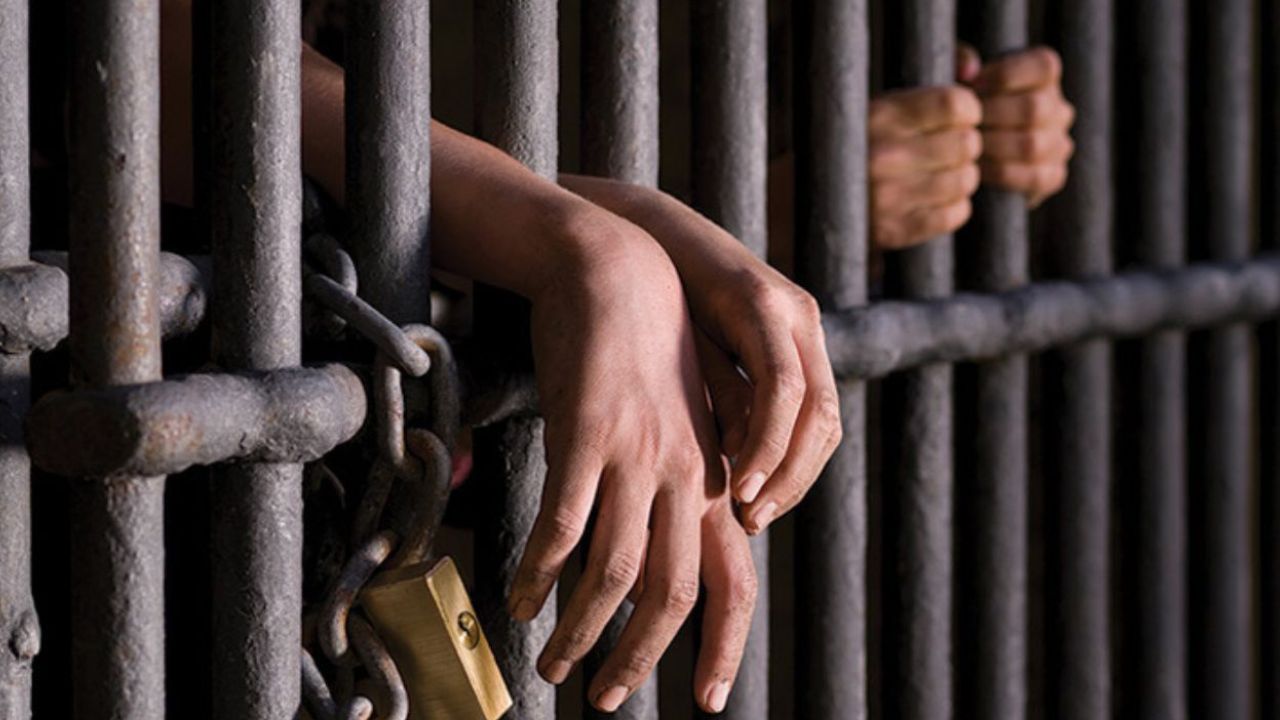



The prison system is teetering on the brink as jails across the country buckle under more than double their official capacity.
The crisis has triggered severe overcrowding, acute healthcare shortages and what rights activists describe as increasingly inhumane conditions behind bars.
The country’s 74 detention facilities are built to accommodate 45,286 inmates, yet the prison population surged to 96,773 on 10 August. In some of the worst-affected jails, inmate numbers exceed capacity by three to four times.
Prison officials and legal experts attribute the sharp rise to prolonged trial delays, difficulties securing bail, shown arrests in fresh cases and a recent wave of detentions.
The overcrowding has also undermined the government’s pledge to transform prisons into modern correctional facilities. Meanwhile, allegations persist that money routinely buys privileged treatment, ranging from better meals and private family meetings to unauthorised mobile phone access.
ASM Nasiruddin Elan, director of human rights organisation Odhikar, warned that shortages of medical services were increasing the risk of deaths among inmates. The vast majority of prisons do not have a dedicated doctor.
A recently released prisoner told TIMES of Bangladesh, “Prison belongs to those with money and muscle. If you have funds in your Prisoner Cash (PC) account, better food, comfortable accommodation and private family visits are all within reach.”
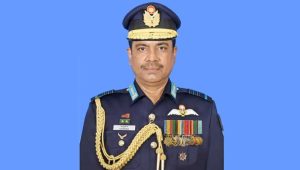
Inspector General of Prisons Brigadier General Syed Md Motaher Hossain said judicial reforms were underway to reduce case backlogs, adding that faster bail decisions and increased prison capacity were essential to resolving the crisis.

Of the 96,773 inmates recorded on 10 August, only 31,000 are convicted prisoners, meaning around two-thirds are undertrial detainees awaiting judicial decisions.
Among convicted prisoners, 2,580 have received death sentences, including 76 women.
The trend is not new. Undertrial prisoners accounted for 73.75 per cent of nearly 80,000 inmates until October 2025 and 74 per cent of the prison population in 2023.
Drug-related cases account for the largest number of inmates, followed by cases involving violence against women and children, smuggling, explosives and homicide.
Supreme Court advocate Manzill Murshid identified legal misuse as a major factor behind the growing prison population.




“A large number of detainees are facing false and harassing cases. Bail is routinely denied, and even after securing bail, suspects are shown arrested in fresh cases,” he told TIMES, alleging that pressure on police to make arrests without specific evidence amounted to a clear violation of human rights.
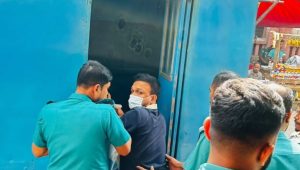
The prison population also includes several influential figures from the government removed after the 5 August 2024 uprising, including 45 former Awami League ministers, 77 former MPs, 53 police officers and 18 senior bureaucrats.
In cases linked to the July uprising, 465 inmates face murder charges and 371 face attempted murder charges. Besides, 414 people are detained under anti-terrorism laws, 68 in sedition cases and nearly 18,000 in narcotics cases.
Police Headquarters data shows that 1,41,989 people were arrested nationwide between 1 May and 27 July alone, far exceeding the average of 2,000 daily releases through bail or acquittal.
Overcrowding has reached critical levels in Dhaka and nearby facilities.
Dhaka Central Jail in Keraniganj, built for 4,590 inmates, held 12,059 prisoners until July — nearly three times its capacity.
The crisis is equally severe at the Kashimpur prison complex. Central Jail-1 holds 1,763 inmates against a capacity of 548, Central Jail-2 houses more than 4,000 against a capacity of around 2,000, while the High Security Prison accommodates nearly 3,000 against a capacity of 1,000.
Odhikar Director ASM Nasiruddin Elan attributed the worsening situation to stagnant prison capacity, delays in granting bail, prolonged trials and increased arrests of leaders and activists of banned organisations.
Assistant Inspector General of Prisons (Development) Md Jannat-ul Farhad said a specialised facility for high-profile detainees had been built beside Dhaka Central Jail.
Proposals are pending for new prisons in Pirojpur, Khulna and Bogura, while a dedicated facility for Rohingya inmates has been proposed in Ukhiya.
A metropolitan prison has been established in Sylhet, while another is under construction in Chattogram. Three specialised facilities have also been designated for narcotics offenders: Feni-2 and Kishoreganj-2 are operational, while Madaripur-2 is nearing completion.
While official prison rations remain basic, former inmates allege that money can secure extensive privileges and unauthorised facilities inside Bangladesh’s prisons.
Through Prisoner Cash (PC) accounts funded by relatives, inmates can purchase canteen items including biryani, sweets, dairy products, cigarettes and seasonal fruits.
Cash also allegedly secures illicit benefits, including access to non-BTV television channels, music and private mobile or video calls with family members.
Although jammers have been installed to prevent unauthorised communication, officials admit they frequently remain out of order.
Prison authorities provide basic meals, including flour flatbreads, while halwa is served on Saturdays and khichuri on Tuesdays. Prisoners often complain about the quality and quantity of food. Prescribed medicines can be brought from outside, though sleeping pills remain prohibited.
IG Prisons Brigadier General Syed Md Motaher Hossain said modern jammers and upgraded scanning systems were being installed to prevent mobile phones and other unauthorised items from entering prisons.
To control misuse of PC accounts, authorities are limiting deposits to Tk10,000 per transaction and Tk30,000 per month.
Meanwhile, Munshiganj Jail has introduced a cashless system, allowing prisoners to make internal purchases through an app.