The International Monetary Fund (IMF) and the World Bank have recommended that Bangladesh establish a unified Debt Management Office (DMO) to strengthen public debt governance, improve coordination and reduce fiscal risks.
At a workshop titled “Establishing a Debt Management Office” on Monday at the secretariat, the two global lenders said the country’s debt management remains scattered across several government agencies, causing data inconsistencies, weak oversight and an absence of a single strategy for borrowing and repayment.
The joint technical mission highlighted that Bangladesh currently lacks both a centralised and audited debt database and a formal cash flow forecasting mechanism — two essential tools for sound and cost-effective government borrowing.

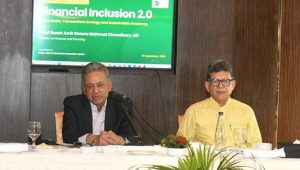
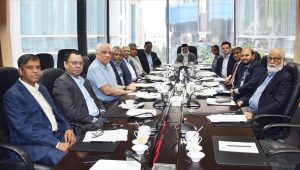
IMF Senior Financial Sector Expert Arindam Roy led the mission, accompanied by Dr Jens Clausen, Philip R D Anderson and Per Jonsson. Finance Division Additional Secretary Md Hasanul Matin attended as chief guest, with Dr Ziaul Abedin and Hasan Khaled Foisal as special guests. Treasury and Debt Management Wing Joint Secretary Mohd Rashedul Amin presided over the event.
The mission proposed consolidating all government and government-guaranteed debt functions under the Finance Division through restructuring its Treasury and Debt Management Wing. Initially, the proposed DMO would manage domestic debt issuance, prepare annual borrowing plans, coordinate auction schedules, assess portfolio risks and integrate all debt data into a single platform.




A robust legal framework is needed to clearly define borrowing powers, accountability, and transparency obligations, the mission said. It also recommended forming a team of professionals skilled in capital markets, pricing, settlements and risk management — possibly drawn from Bangladesh Bank, commercial banks and the capital market — to ensure operational efficiency.
To attract and retain such talent, the IMF–World Bank team suggested introducing competitive salaries and long-term career incentives. Over time, the DMO could evolve into an autonomous body responsible for managing contingent liabilities and investor relations.
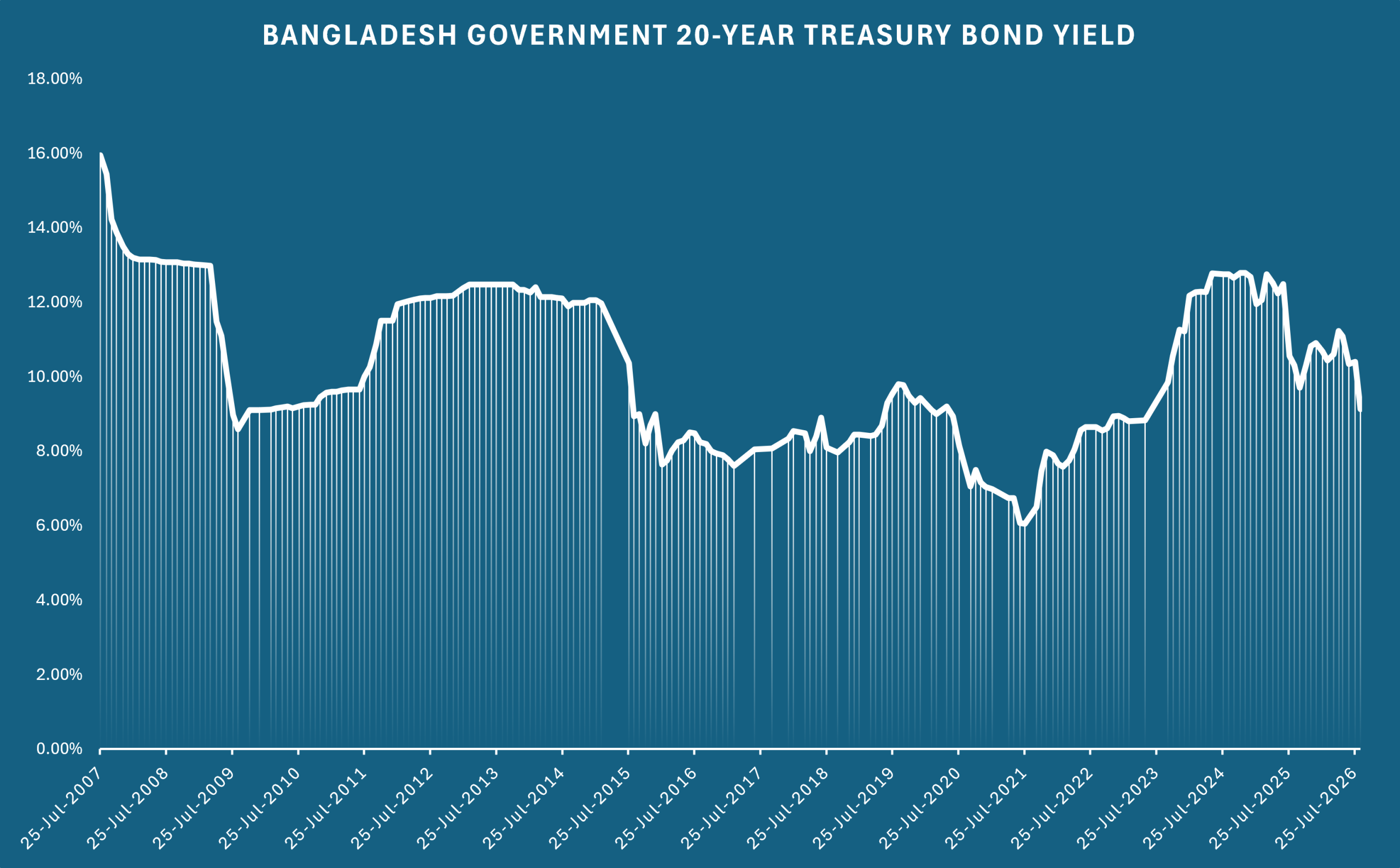
Drawing on international experience, the mission noted that countries with centralised DMOs — established mostly after the 1980s — successfully reduced borrowing costs, improved fiscal transparency and separated debt management from monetary policy.
The experts said an effective DMO typically operates through three units: a front office for borrowings, a middle office for risk and strategy, and a back office for settlements, accounting and reporting.
They emphasised that political commitment, strong inter-agency coordination and modern IT systems will be crucial to make the reform successful. Once established, the unified DMO is expected to enhance market confidence, lower financing costs and reinforce Bangladesh’s long-term fiscal stability, according to the joint IMF–World Bank mission.