


FIFA will study the impact of hydration breaks introduced during the 2026 World Cup before deciding whether they should continue in future tournaments.
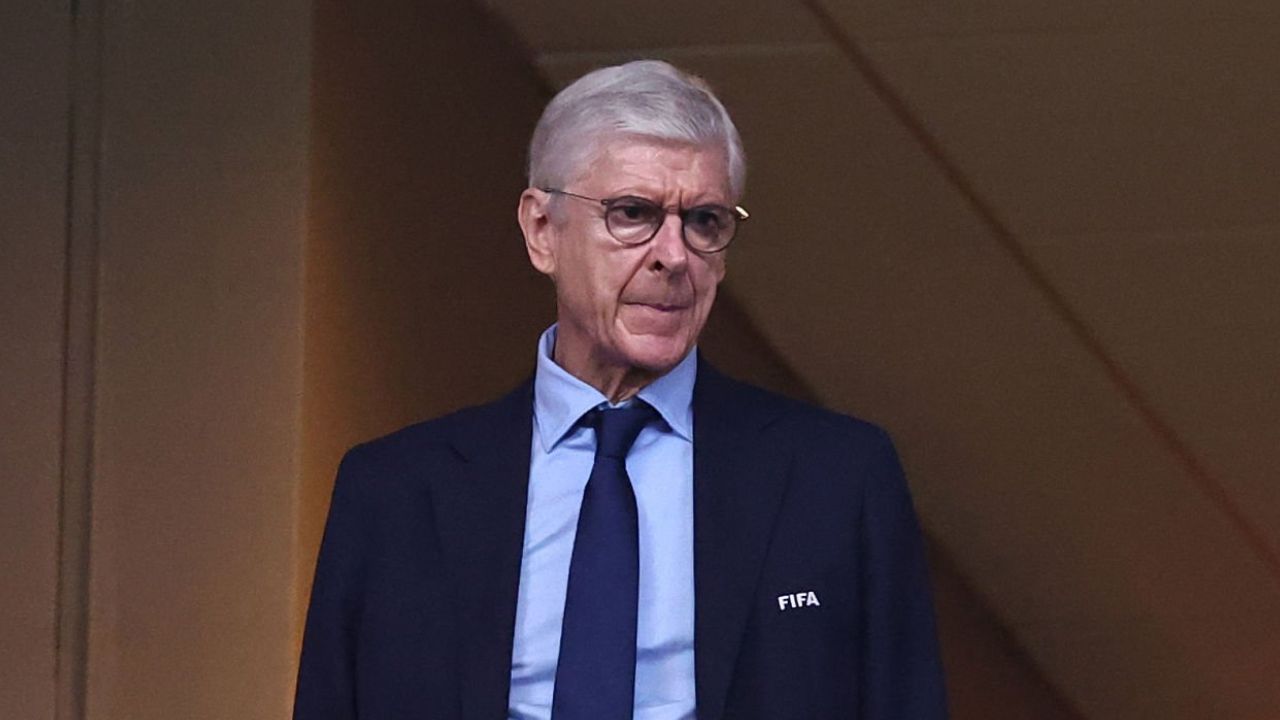
Arsene Wenger said the governing body has not reached a final decision. The former Arsenal manager now serves as FIFA’s chief of global football development.
Hydration breaks became one of the biggest talking points during the tournament. Several coaches questioned whether the extra stoppages disrupted the flow of matches.
Uruguay coach Marcelo Bielsa was among the strongest critics. He said splitting matches into four parts took away from the game rather than improving it.
Wenger said FIFA would carefully examine the data before making any decision.

“Some people did not like it. We will analyse everything after the World Cup,” Wenger said.
“I do not think the breaks changed the outcome of the tournament. In some matches they were really needed.”
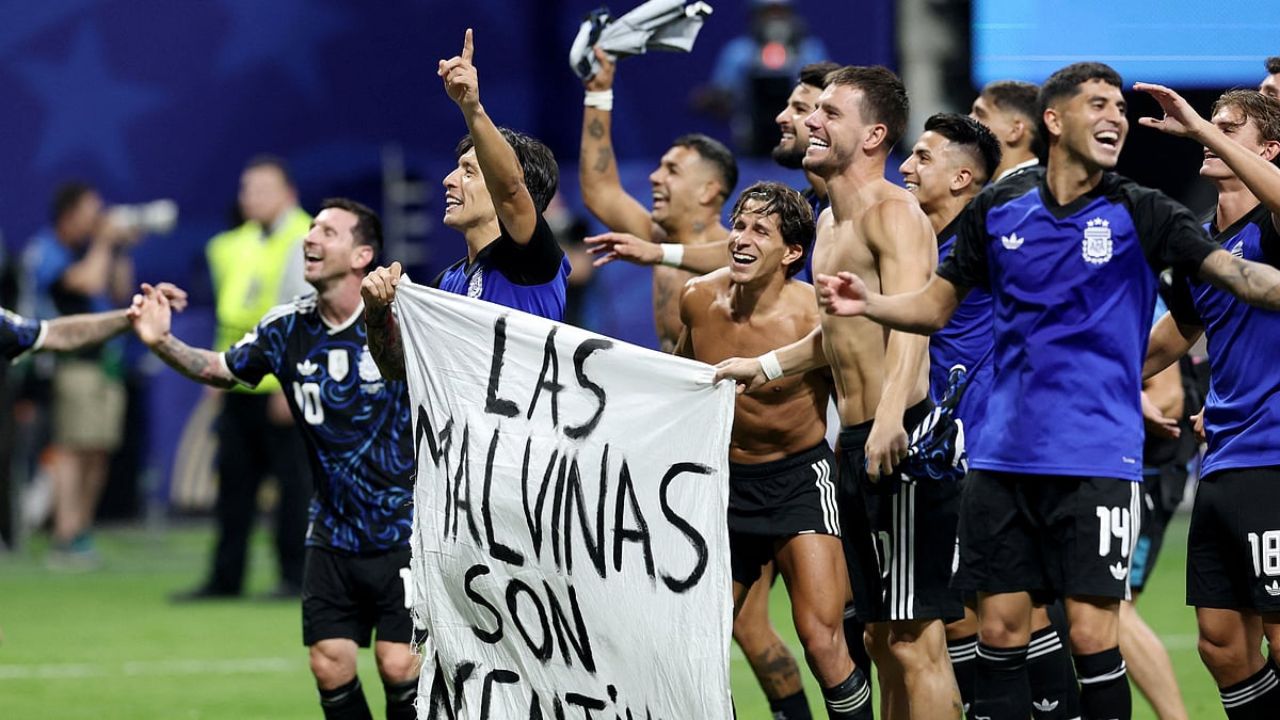
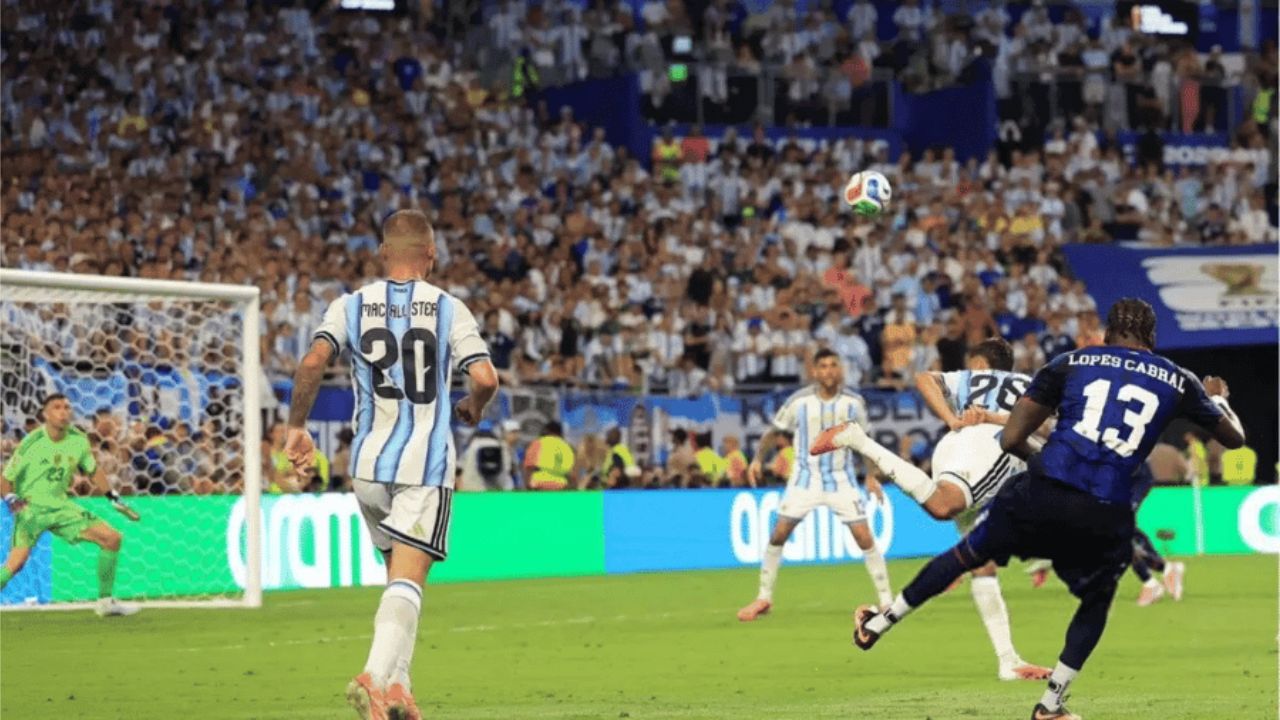

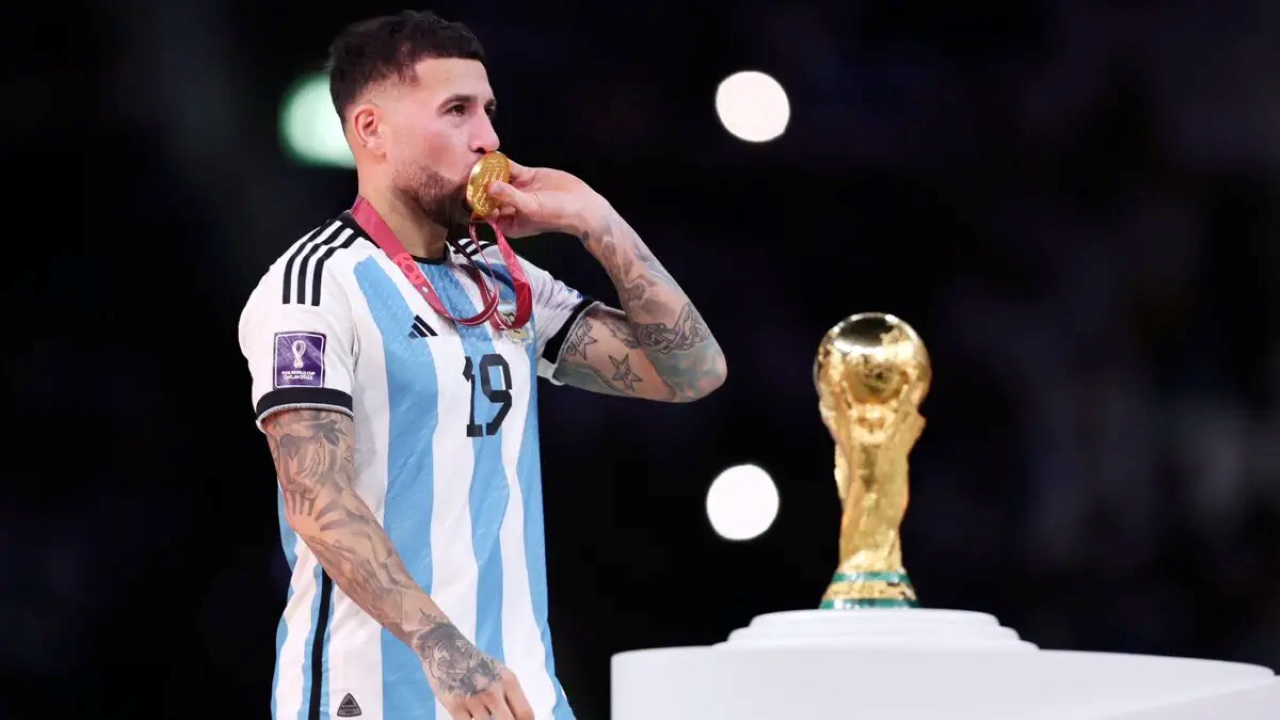
He explained that FIFA decided to use hydration breaks in every match instead of only during hot weather.
“Some people were not happy when the games were played in covered stadiums,” Wenger said.
“But we wanted the same rules for every match. We have not reached a conclusion yet, but we will.”
Wenger also dismissed concerns about the long travel distances and busy schedule during the tournament.
Before the competition, FIFA worried that travelling across three host countries could affect the quality of football.
Wenger believes that did not happen.
“The logistics were very different from previous World Cups, but I think we saw high quality football,” he said.
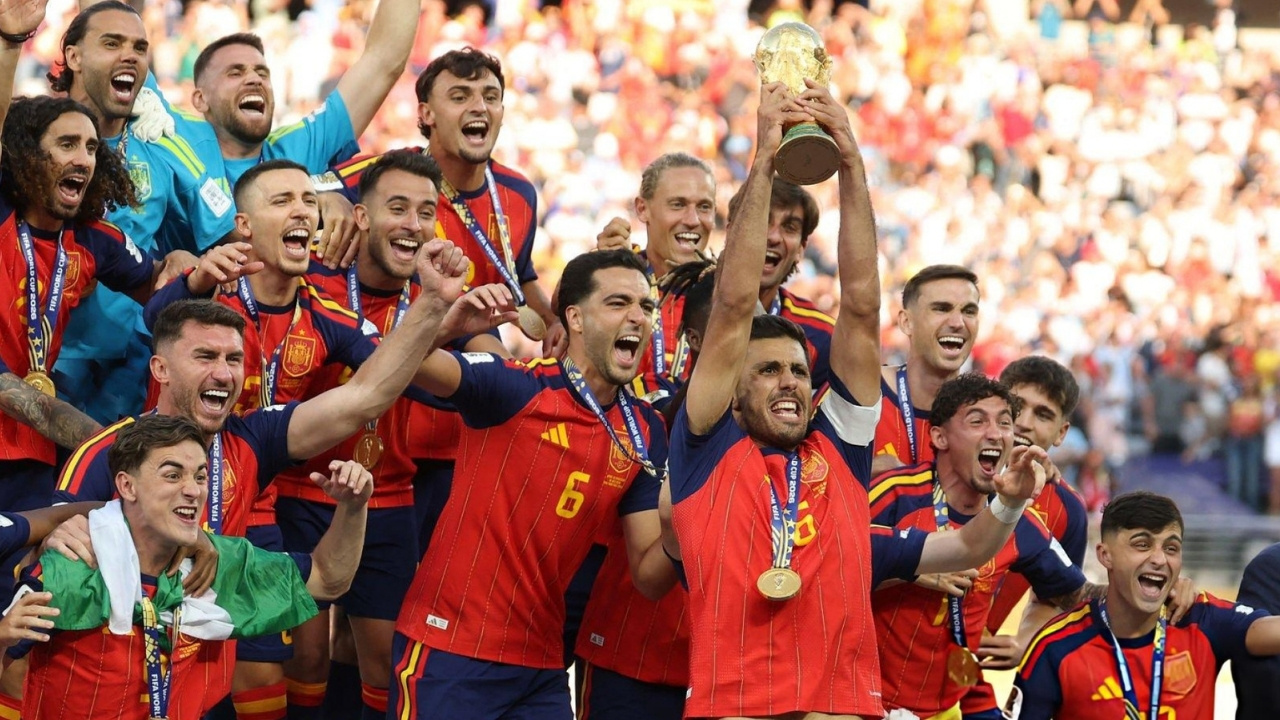
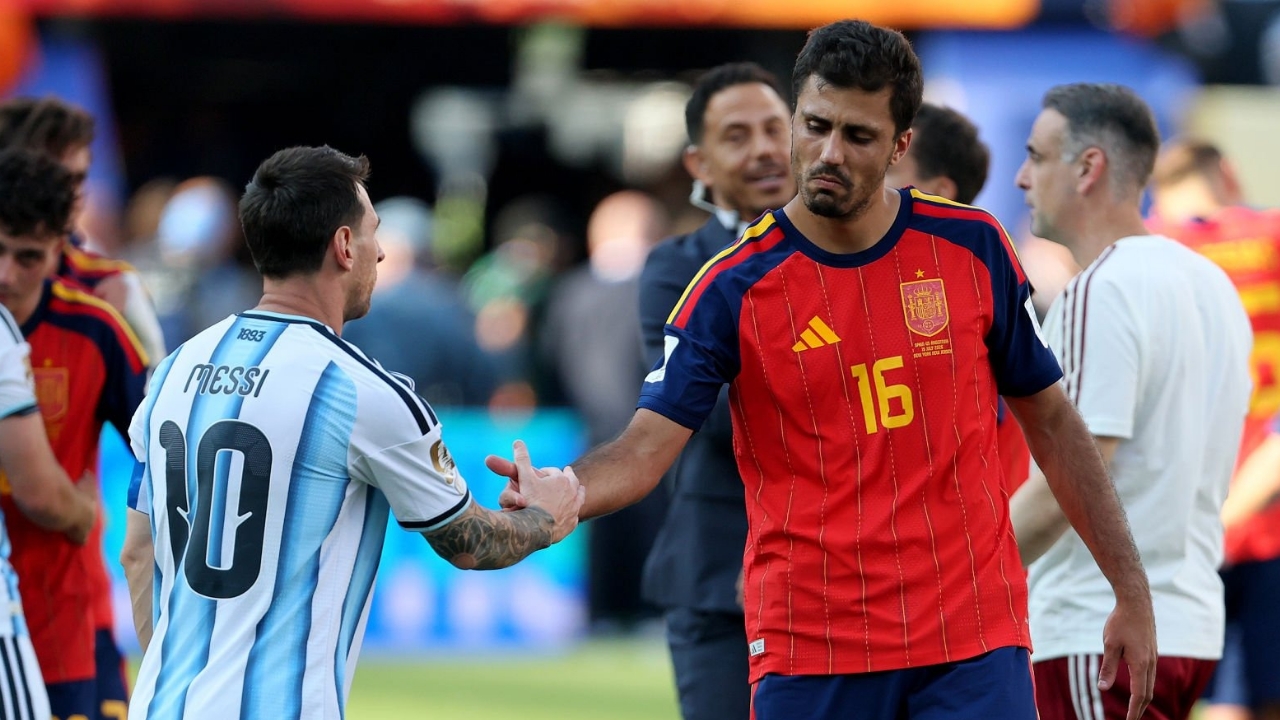
“In Qatar teams stayed in one place. This time they travelled much more. But if you look at Argentina and Spain, both teams improved as the tournament went on.”
He believes success depends more on a team’s desire to win than on travel or scheduling.
“When players see the trophy, they are ready to accept the difficulties. That is what happened during this World Cup,” Wenger said.