


The 2026 FIFA World Cup opened across three nations on Thursday and Friday, with ceremonies in Mexico City, Toronto and Los Angeles marking the start of the most expansive edition of the tournament in history, even as controversy over visa denials, soaring ticket prices and political tensions cast a long shadow over the celebrations.
The festivities began at the Estadio Azteca in Mexico City. The Azteca, becoming the first stadium to host matches at three men’s World Cups, was packed to its 80,824 capacity for an occasion that carried enormous national pride.
Canada’s ceremony followed at BMO Field in Toronto, led by Michael Buble and featuring Alanis Morissette, Alessia Cara, Nora Fatehi and French artist Vegedream, best known for his anthem celebrating France’s 2018 World Cup triumph. Palestinian singer Elyanna also performed, as did Bangladeshi-American DJ Sanjoy Deb.
The third and final ceremony took place at SoFi Stadium in Los Angeles, headlined by Katy Perry alongside rapper Future, Brazilian singer Anitta, Nigerian artist Rema, Thai-born K-pop star Lisa and South African singer Tyla, who had also performed in Mexico City.
Yet the mood surrounding the tournament’s arrival on American soil has been far from purely celebratory. Fans from more than a quarter of the 48 participating nations have faced travel bans, tighter restrictions or high visa rejection rates, according to BBC World Service analysis.

Hundreds of Paraguayan supporters purchased tickets months in advance only to have their visa applications rejected, leaving many attempting to resell tickets at a significant loss.
Fans from Morocco, Jordan, Senegal and Ivory Coast have reported widespread denials, with the head of Jordan’s football fan association, Abu Kass, saying he arrived at his visa appointment with more than 42 supporting documents and was still refused. “This World Cup is not ours,” he said. “It’s not for Arabs this World Cup, it’s for them.”
The visa rejection rate for citizens of 11 of the 48 qualifying nations exceeded 40 per cent in the year to September 2025, including Senegal, Ghana, Iran, Jordan and Egypt.
United States immigration policy has placed outright bans or tighter restrictions on visitors from Haiti, Iran, Senegal and Ivory Coast, all of whom have qualified for the tournament. Exemptions were extended to players and team staff but not to ordinary supporters.
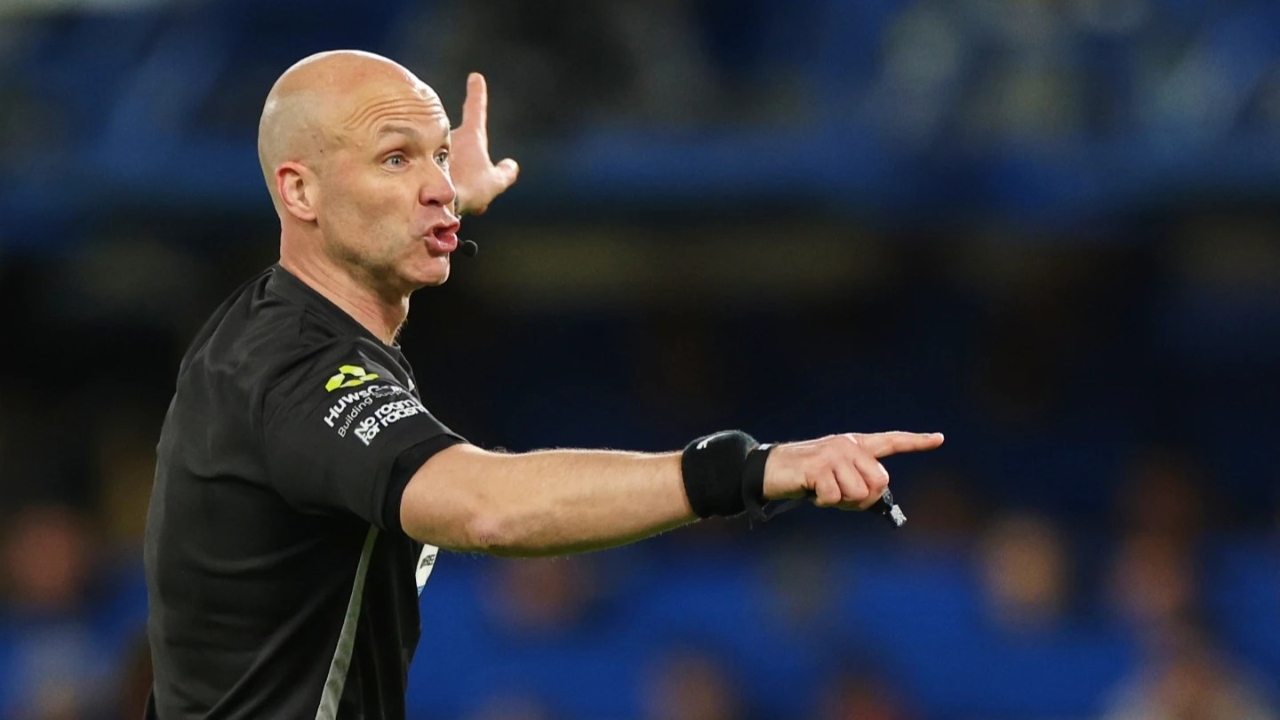
The controversy reached the football itself when Somali referee Omar Abdulkadir Artan, named the CAF Best Male Referee of 2025 and set to become the first-ever Somali World Cup official, was denied entry at Miami airport.
FIFA president Gianni Infantino addressed the matter at his pre-tournament press conference. “It is unfortunate what happened to the referee from Somalia,” he said. “We are not the kings of the world who can rule over governments and police forces. We are a sports organisation.”
Infantino also pushed back against criticism of ticket pricing, noting that FIFA had sold more than six million tickets and that the starting price of USD 60 represented the lowest entry point of any American sport in its playoff phase.
President Donald Trump, who cultivated a close relationship with Infantino and received FIFA’s Peace Prize at the World Cup draw in December, did not attend the United States’ opening match against Paraguay on Saturday.
Andrew Giuliani, chief executive of the World Cup task force, confirmed on Friday that Trump’s tight schedule prevented him from making the trip to Los Angeles Stadium in Inglewood.
Secretary of State Marco Rubio attended in his place, alongside Secretary of Transportation Sean Duffy and Secretary of Homeland Security Markwayne Mullin. Trump’s absence was notable: the heads of state of Qatar, Russia and Brazil all attended their nations’ opening fixtures at recent tournaments.
Mexican president Claudia Sheinbaum also skipped her country’s opener, instead giving her VIP seat at the Azteca to a young Indigenous woman who won a national government contest.
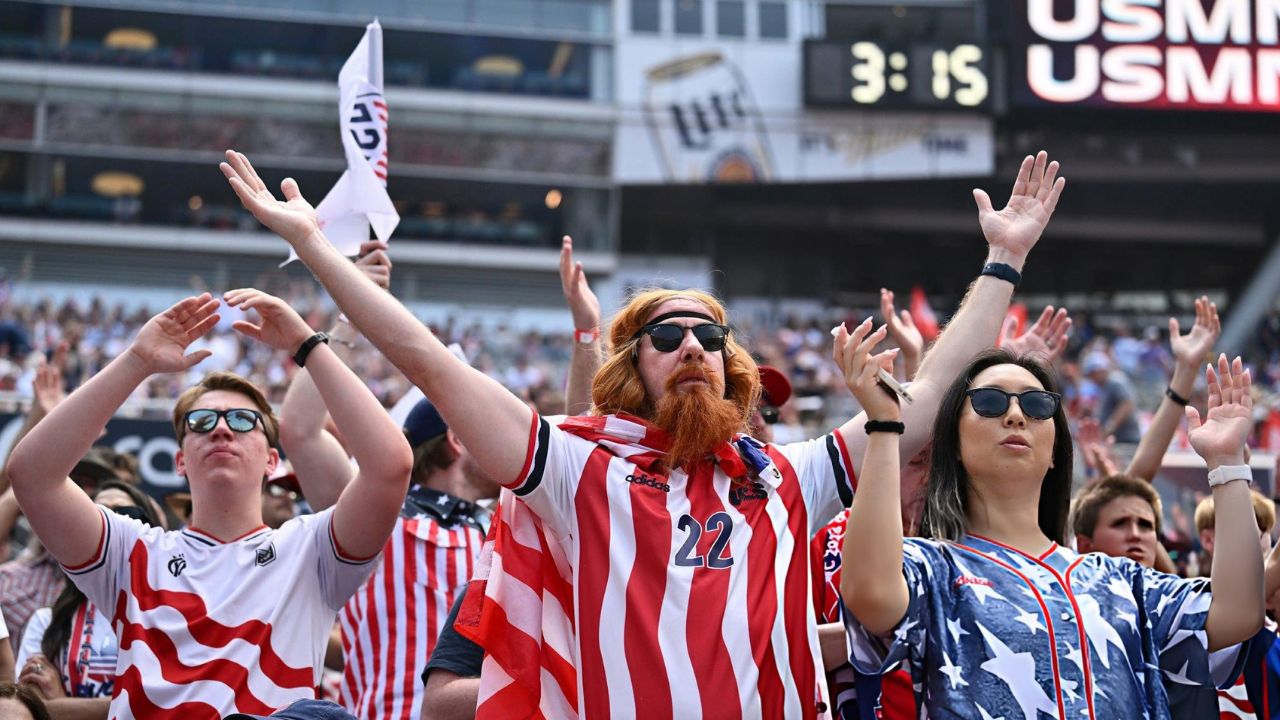
On the pitch, the United States face a stern test as Mauricio Pochettino begins his first World Cup as a coach with kick off scheduled at 7am Bangladesh time on Saturday.
His side carry the weight of home expectation into a Group D that also includes Australia and Turkiye.
Paraguay returned to the World Cup for the first time since 2010 and arrived having qualified with a cautious, set-piece-reliant style. Christian Pulisic remains the focal point for the hosts despite a difficult club season at Milan, while Antonio Sanabria leads Paraguay’s attack.
The Americans have reached the knockout stage at each of their last three tournaments. Whether they can go further, on home soil, in front of a nation still deciding how much it cares, is the question that will define the next month.