A growing wave of South Korean women writers is reshaping the country’s literary scene, turning personal stories into bestsellers while navigating a rising tide of online backlash and anti-feminist sentiment.
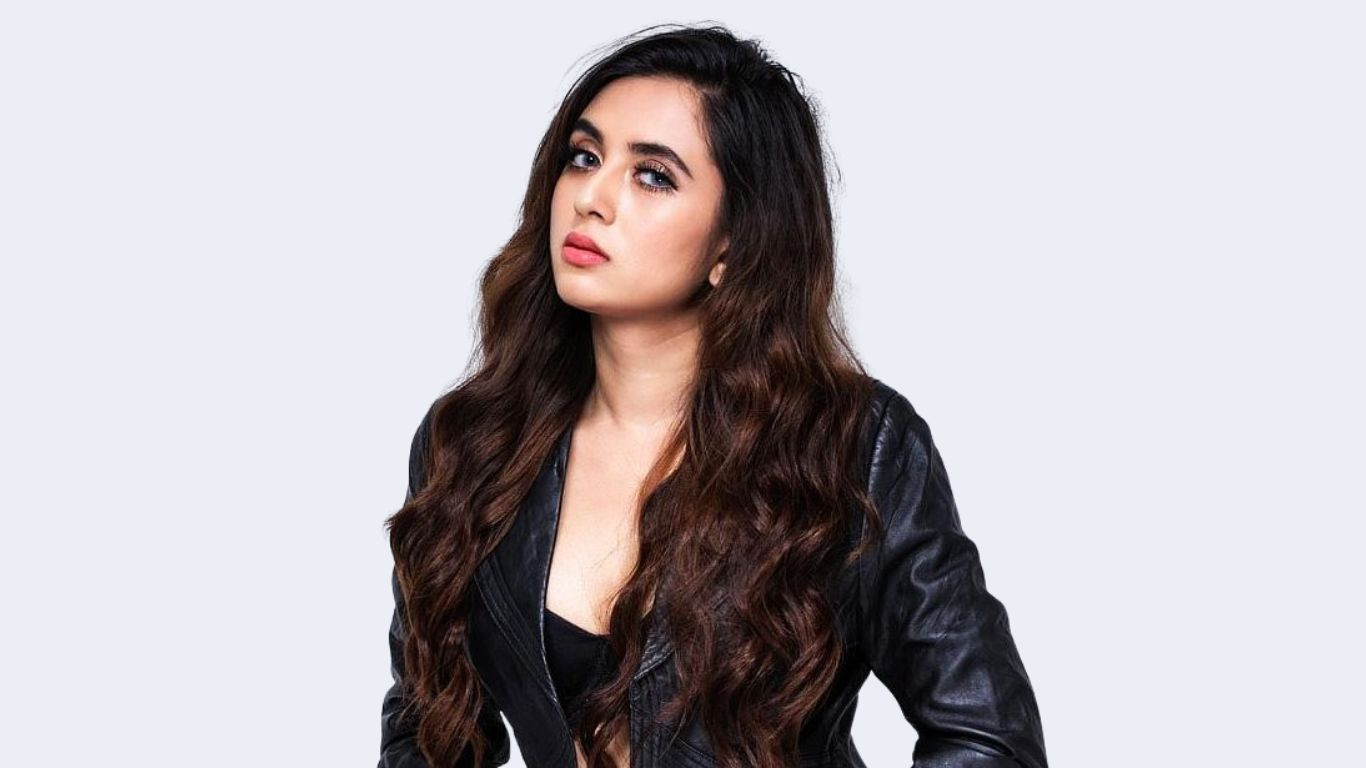
Author Seen Aromi’s memoir ‘So What if I Love My Single Life!’ became an instant hit after its 2024 release, resonating with women who embraced its themes of independence and self-acceptance.
However, the success also triggered intense online criticism, with the author facing abusive comments and accusations of “betraying” traditional values, reflecting a wider cultural divide in South Korea around feminism.

Despite the hostility, women writers are increasingly finding visibility and community through books, workshops and reading spaces known as guelbang. These forums have become creative safe zones where women share personal experiences and develop their writing, forming what many describe as a quiet cultural shift.
The change has also been reflected in the industry’s recognition of female authors. This year, women swept all categories of South Korea’s prestigious Yi Sang Literary Awards, marking a historic moment for the country’s literary landscape.

Sales of translated Korean books have also surged globally, more than doubling in 2024 as international interest in Korean storytelling continues to grow.
Works gaining attention range from Gu Byeong-mo’s ‘The Old Woman With the Knife’, a story of an aging assassin, to Kim Cho-yeop’s science fiction exploring isolation in space, and Lang Lee’s memoir dealing with family trauma and loss. Esther Park’s ‘The Legend of Lady Byeoksa’ also blends fantasy and history through a female-led narrative.
For many writers and readers, these stories offer more than entertainment. They reflect lived experiences that were often excluded from mainstream conversation. Writers and participants in these communities say the act of writing and sharing has become both a form of healing and empowerment.
Across workshops and reading events, women describe these spaces as places where they can speak freely without fear of judgement. Organisers say they have created an environment where personal pain, identity and social pressure can be explored openly, helping participants find solidarity and confidence.
While anti-feminist sentiment remains a challenge in South Korea’s public discourse, the continued rise of female-led literature suggests a shifting cultural moment, where more women are reclaiming their narratives through storytelling.