Foreign direct investment (FDI) into Bangladesh is rising on paper, but much of it is failing to create factories, jobs or technology – raising concerns over a growing trend of non-productive investment.
Bangladesh Bank data show net FDI inflows reached $315 million in July-September 2025, up 202 per cent from a year earlier. In January-September, total inflows stood at $1.41 billion, marking an increase of nearly 80 per cent.
But the headline growth masks a deeper weakness.
Relative to the size of the economy, FDI remains low. According to the World Bank, inflows account for just 0.33 per cent of GDP, far below many peer economies.
Analysts say the core problem lies in the quality of investment.
A significant share of foreign firms are not setting up manufacturing facilities. Instead, they are importing finished goods and selling them in the domestic market.

While recorded as FDI, such activity is not production-based and is increasingly described by analysts as non-productive or distribution-led investment.
Sector data highlight the pattern.
A study by Mawlana Bhashani Science and Technology University found that nearly 40 per cent of FDI in wholesale and retail trade involves minimal actual capital investment, with firms largely operating as distributors of imported goods.


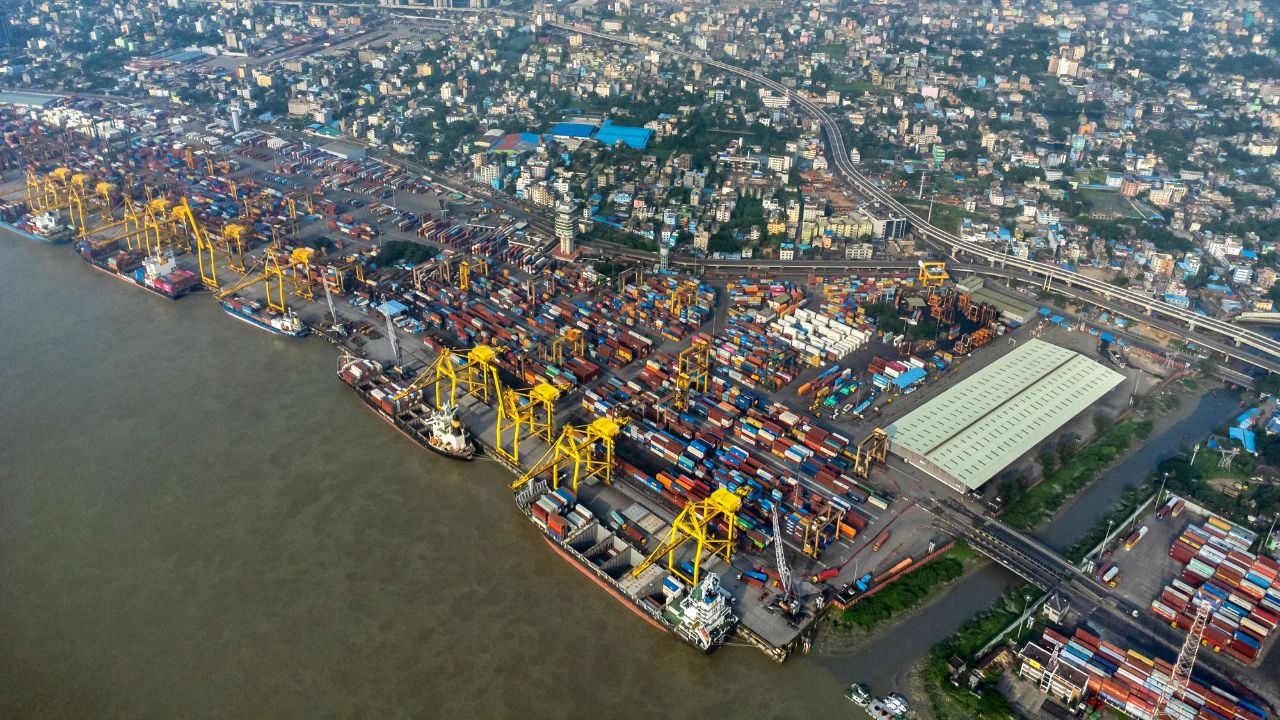

In the automotive sector – meaning the car business – around 90 per cent of vehicles are imported as completely built units, limiting the development of local assembly or parts manufacturing.
A similar trend is visible in fast-moving consumer goods – daily items such as soap, shampoo, food and beverages – where multinational companies are expanding market presence without establishing local production facilities, relying instead on imports to dominate sales.
In logistics – covering transport, warehousing and supply chains – foreign participation is increasing. However, many firms are not building their own infrastructure, opting instead to subcontract operations to local providers.
Economists warn that such investment does little to strengthen the country’s industrial base and may put local entrepreneurs at a disadvantage.
FDI can deliver significant economic benefits if properly structured – through technology transfer, supply chain development and job creation, analysts said. But in many cases, those gains are not materialising, they warned.
Another growing concern is profit repatriation.
Bangladesh Bank data show that a substantial portion of incoming FDI is being sent back abroad in the form of profit or disinvestment. Over the past two fiscal years, the outflow has surged sharply – more than tripling – with the rate rising to about 64 per cent, compared with less than 27 per cent over the previous decade.
This trend is adding pressure on the country’s foreign exchange reserves.
Policy frameworks in Bangladesh aim to attract investment that brings capital, technology and employment. However, there is no binding requirement to ensure such outcomes, allowing low-value, distribution-focused investment to be counted as FDI.
The global environment is also becoming more challenging. Worldwide FDI flows declined in 2024, intensifying competition among countries to attract high-quality investment.
Against this backdrop, policymakers say the key challenge is no longer just increasing inflows, but improving their quality.
Economist and trade analyst M S Siddiqui told TIMES that Bangladesh needs to set minimum investment thresholds for foreign firms, encourage domestic production, ensure technology transfer and create local employment.
“There should also be measures to limit profit repatriation from low-value sectors,” he said.
Experts warn that if the current trend continues, Bangladesh risks drifting away from a production-based economy towards a consumption-driven market dominated by imported goods.