In a quiet corner of rural Bangladesh, the slow spinning of a potter’s wheel still tells the story of a centuries-old craft.
Hands coated in soft grey clay gently shape bowls, pots and pitchers, objects that once filled almost every household in the country. Pottery has long been one of Bangladesh’s most ancient and respected traditions. Yet today, this craft is gradually slipping toward disappearance.
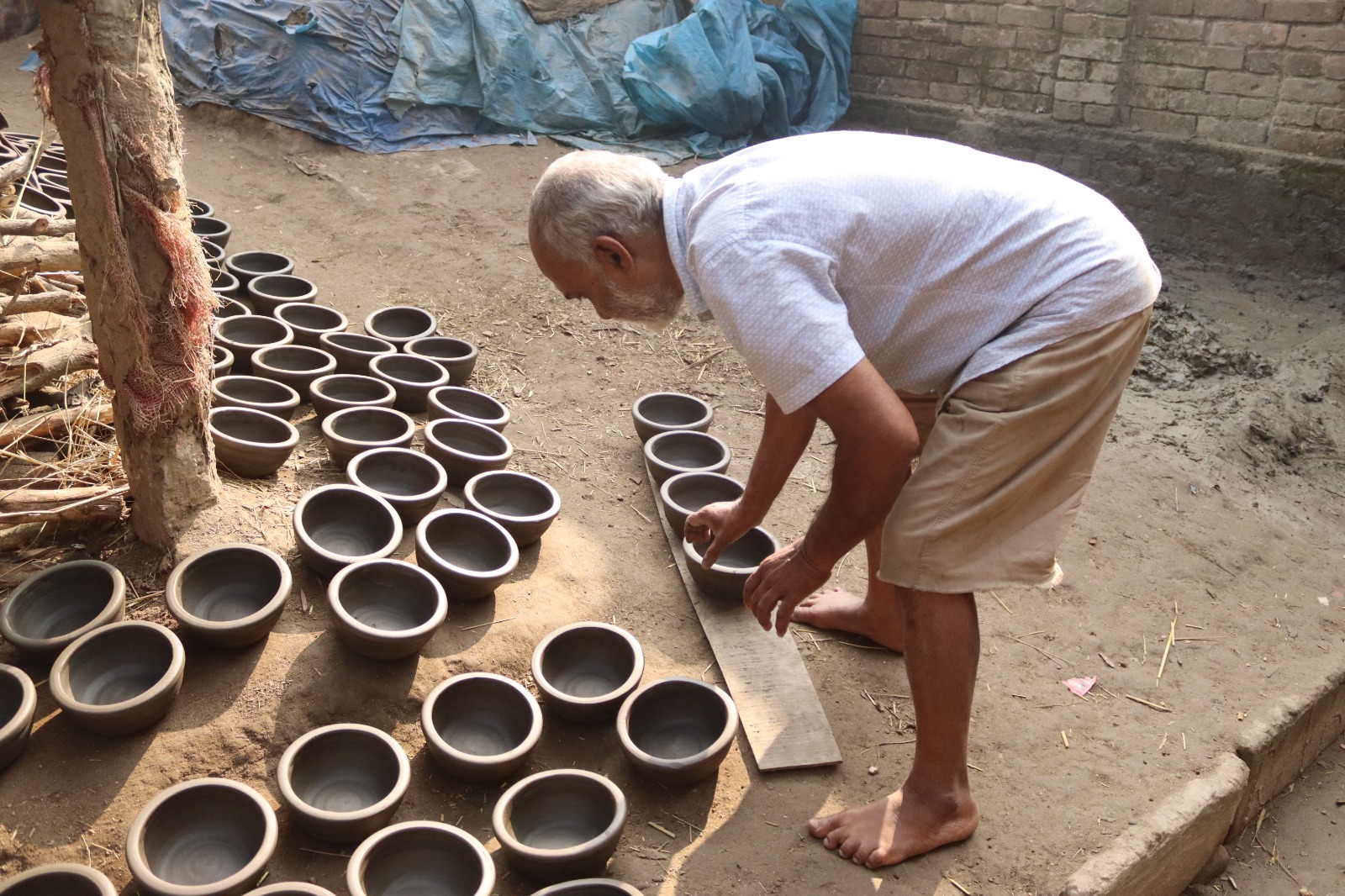
For generations, pottery was more than just a profession. It was a way of life passed down from parents to children. Entire families were involved in the process, collecting clay, shaping pots, drying them in the sun and finally baking them in traditional kilns.

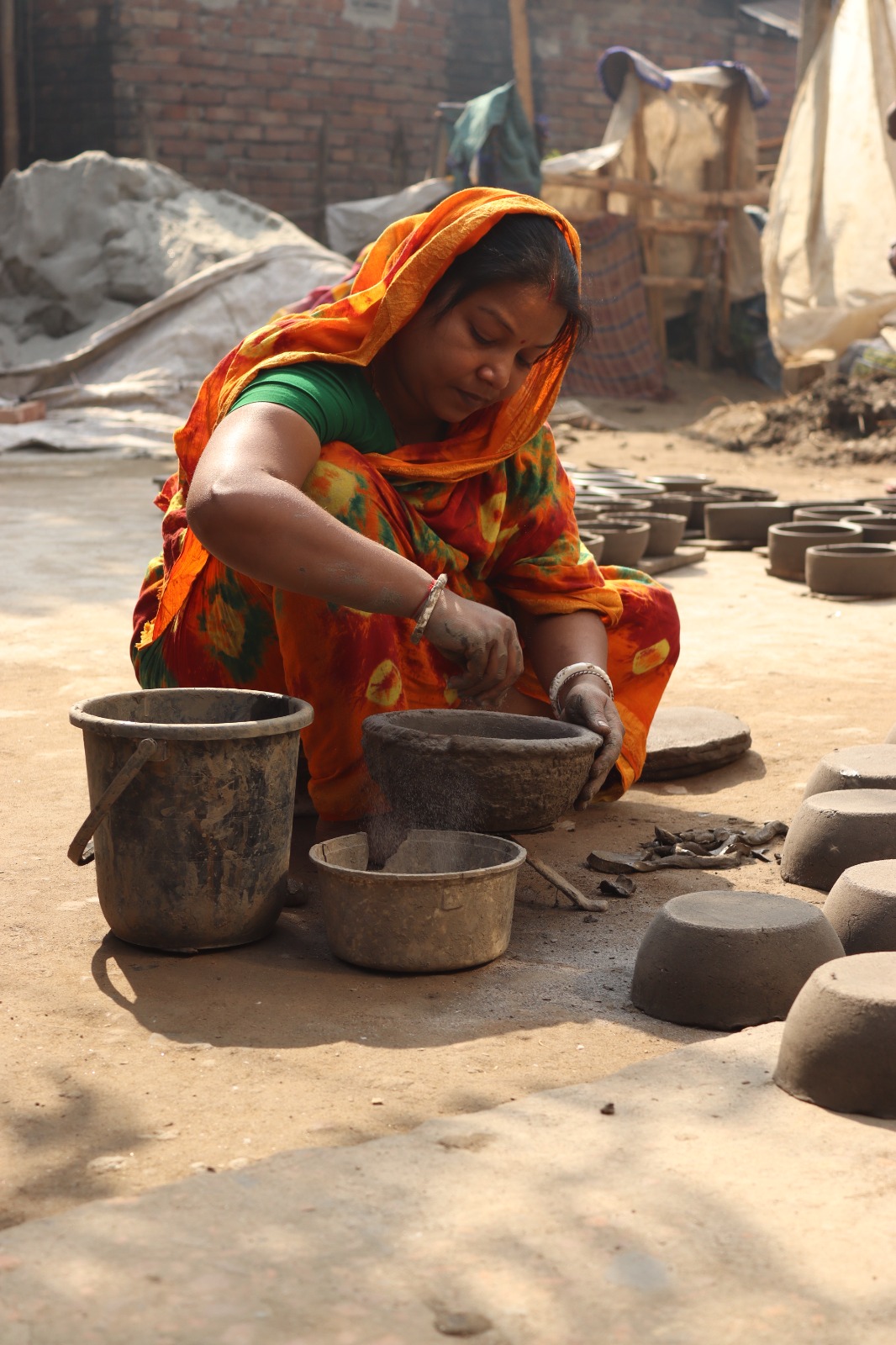
The rhythm of village life often revolved around these earthen creations. Clay pots stored water, cooked food and carried grains, making them an essential part of everyday living.
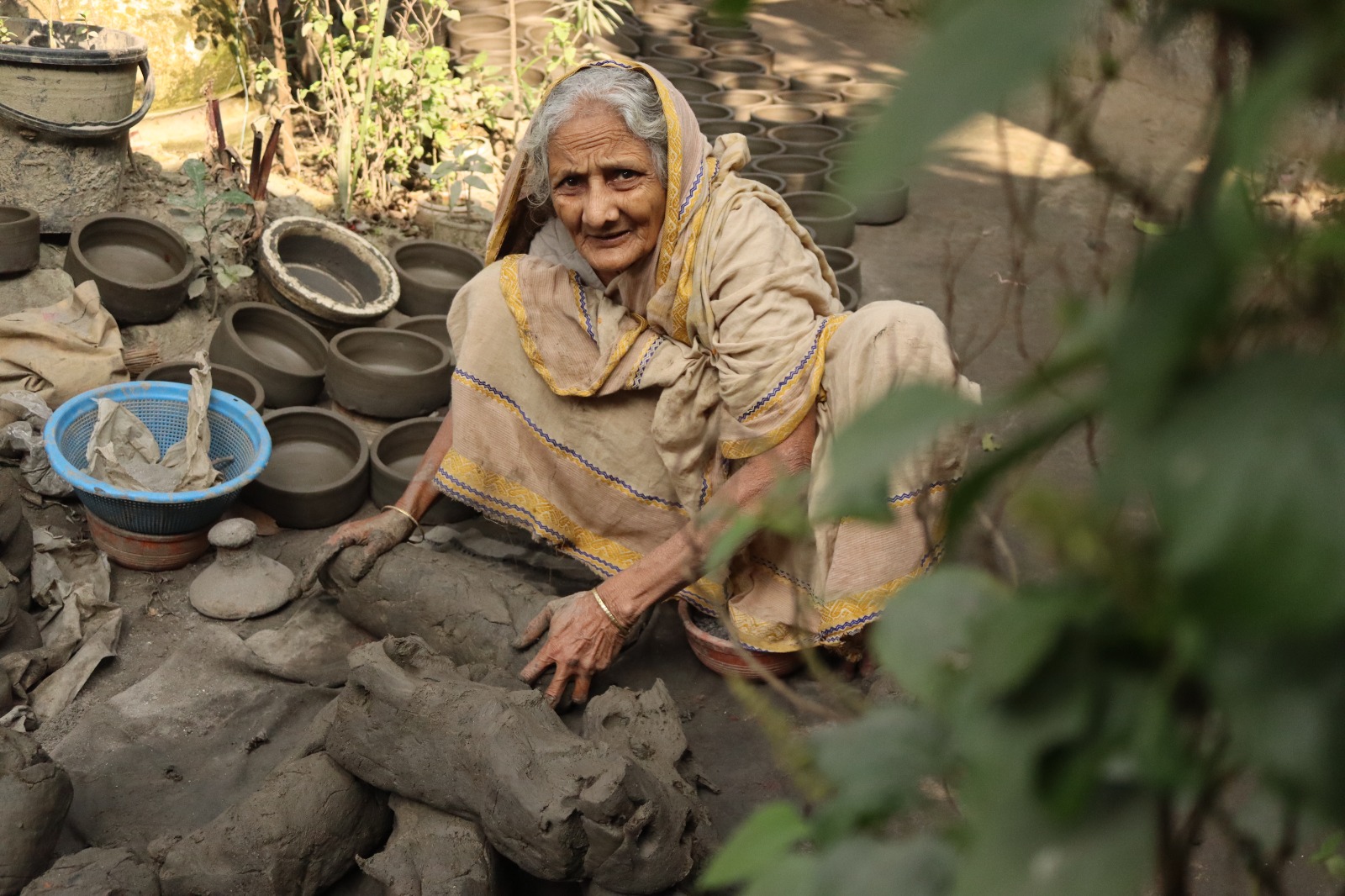
But time has brought dramatic change. Modern materials such as plastic, glass and metal have rapidly replaced traditional earthenware in households and markets. These products are cheaper, more durable and widely available, leaving little room for clay items in the modern kitchen. As a result, the demand for pottery has dropped significantly.




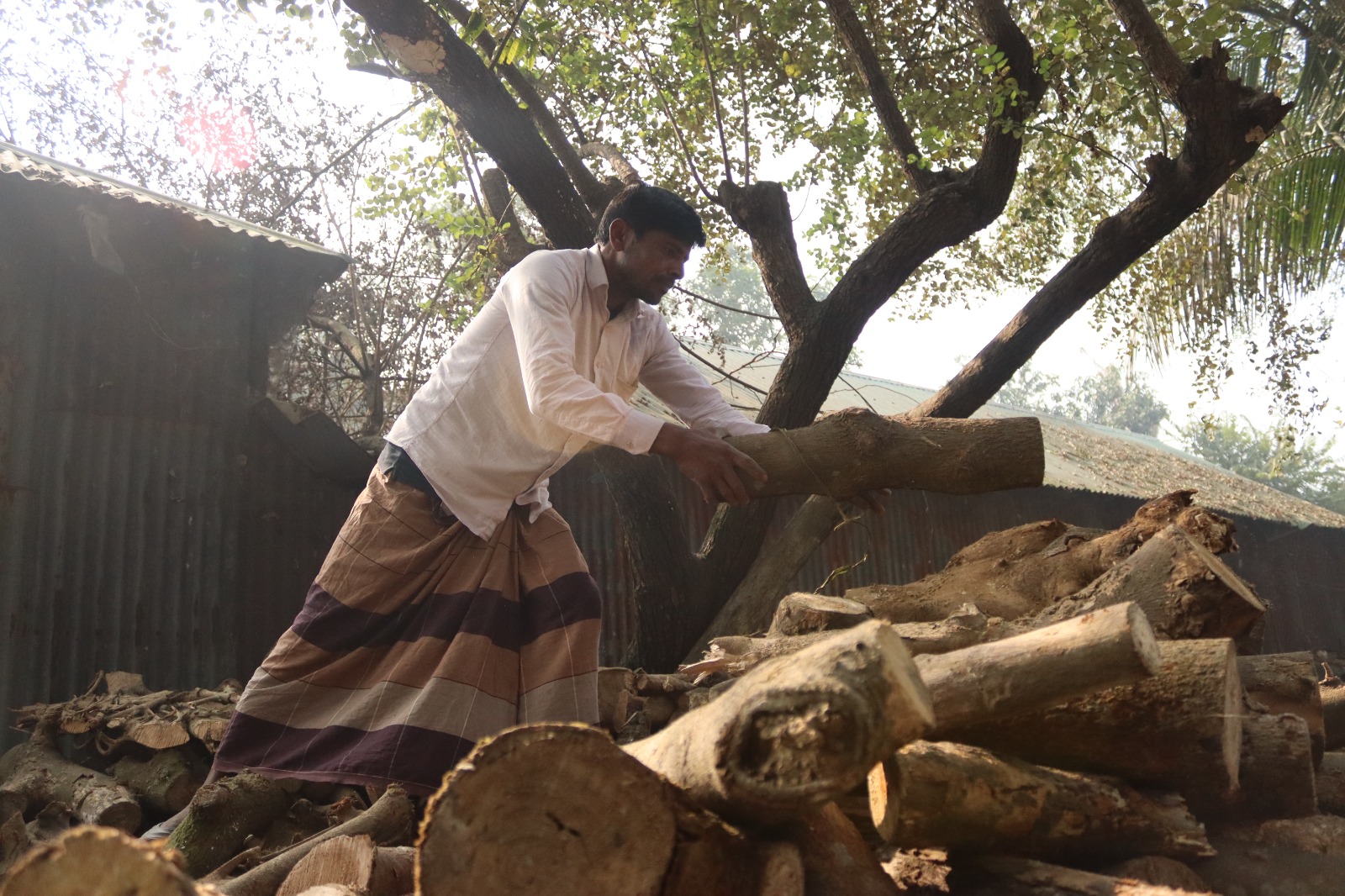
For potters, this decline has created serious financial hardship. The craft requires patience, physical labour and long hours of work, yet the income it brings is painfully small. Many potters say they are no longer paid fairly for the effort they put in. In some areas, traders only place orders for simple clay pots used for selling yoghurt. Even then, the buyers purchase them at very low prices, leaving artisans with little or no profit.
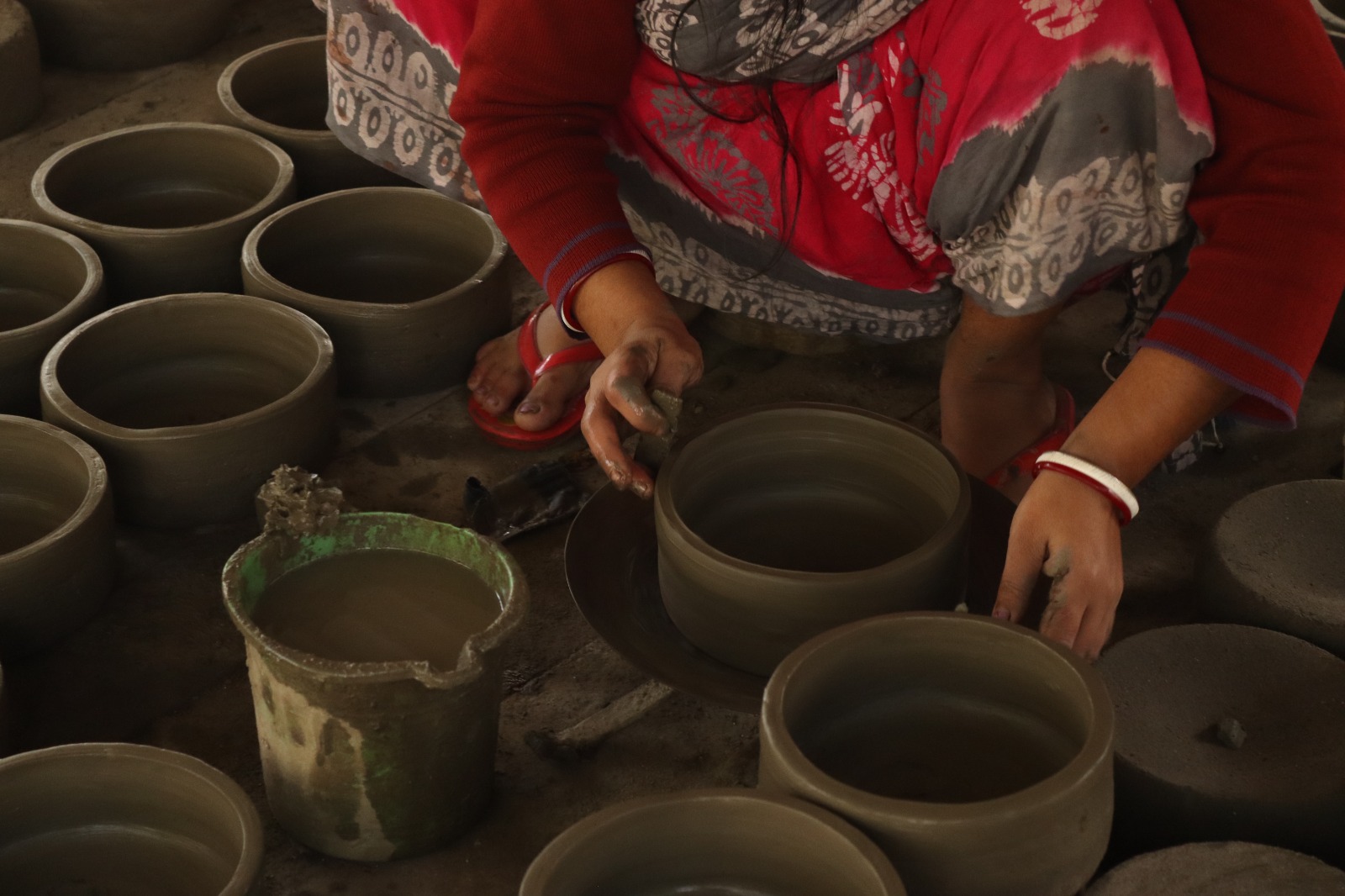
The struggle affects entire families. Children, elderly members, men and women all contribute to the work in order to survive. In many cases, children are forced to help shape or carry clay pots instead of attending school regularly. What was once a proud family tradition is slowly becoming a burden.
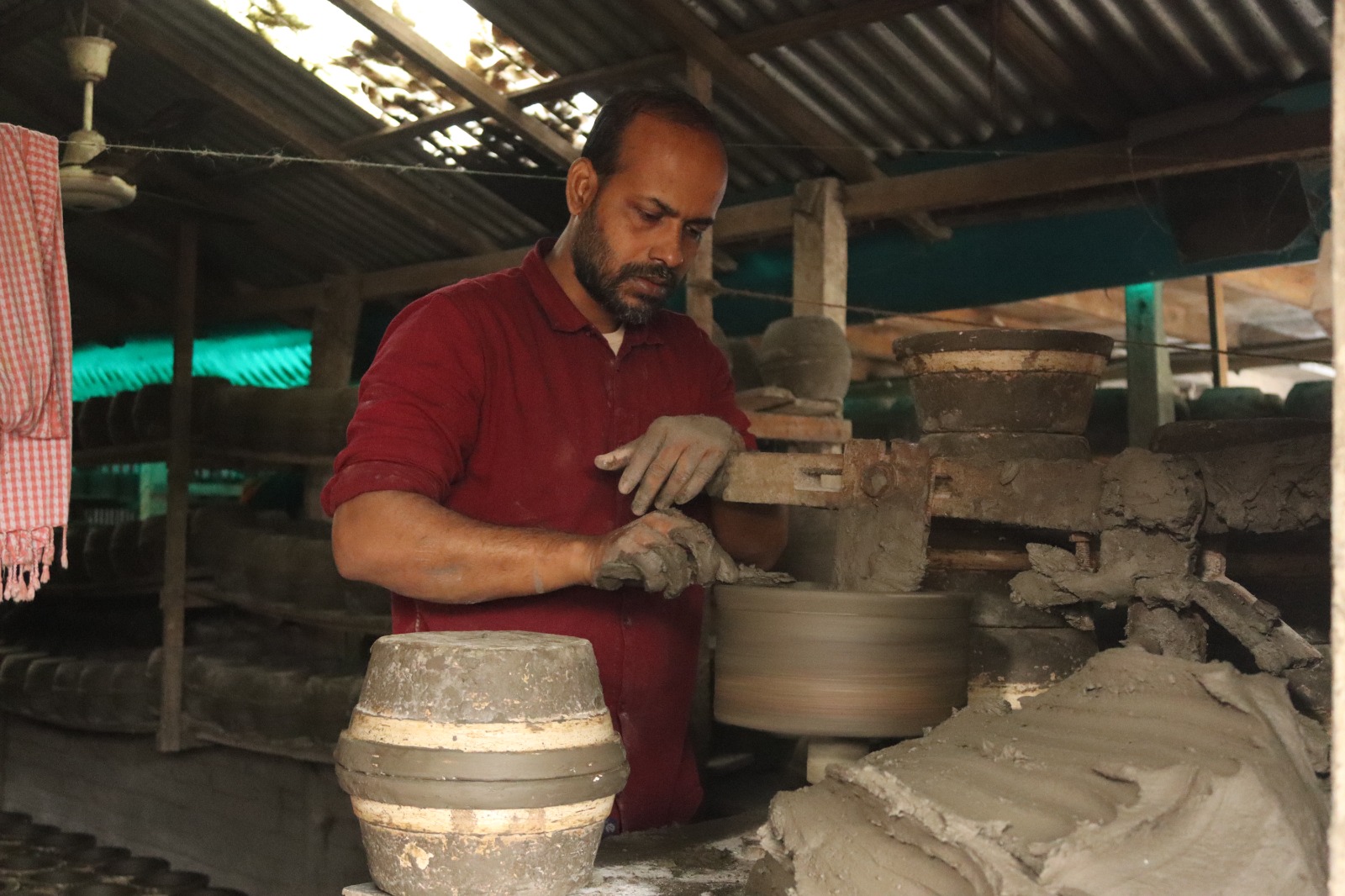
Perhaps the most worrying sign is the attitude of the younger generation. Many young people are unwilling to continue their ancestral profession because the earnings are too small to sustain a decent life. They seek other work in towns and cities, leaving the potter’s wheel behind.
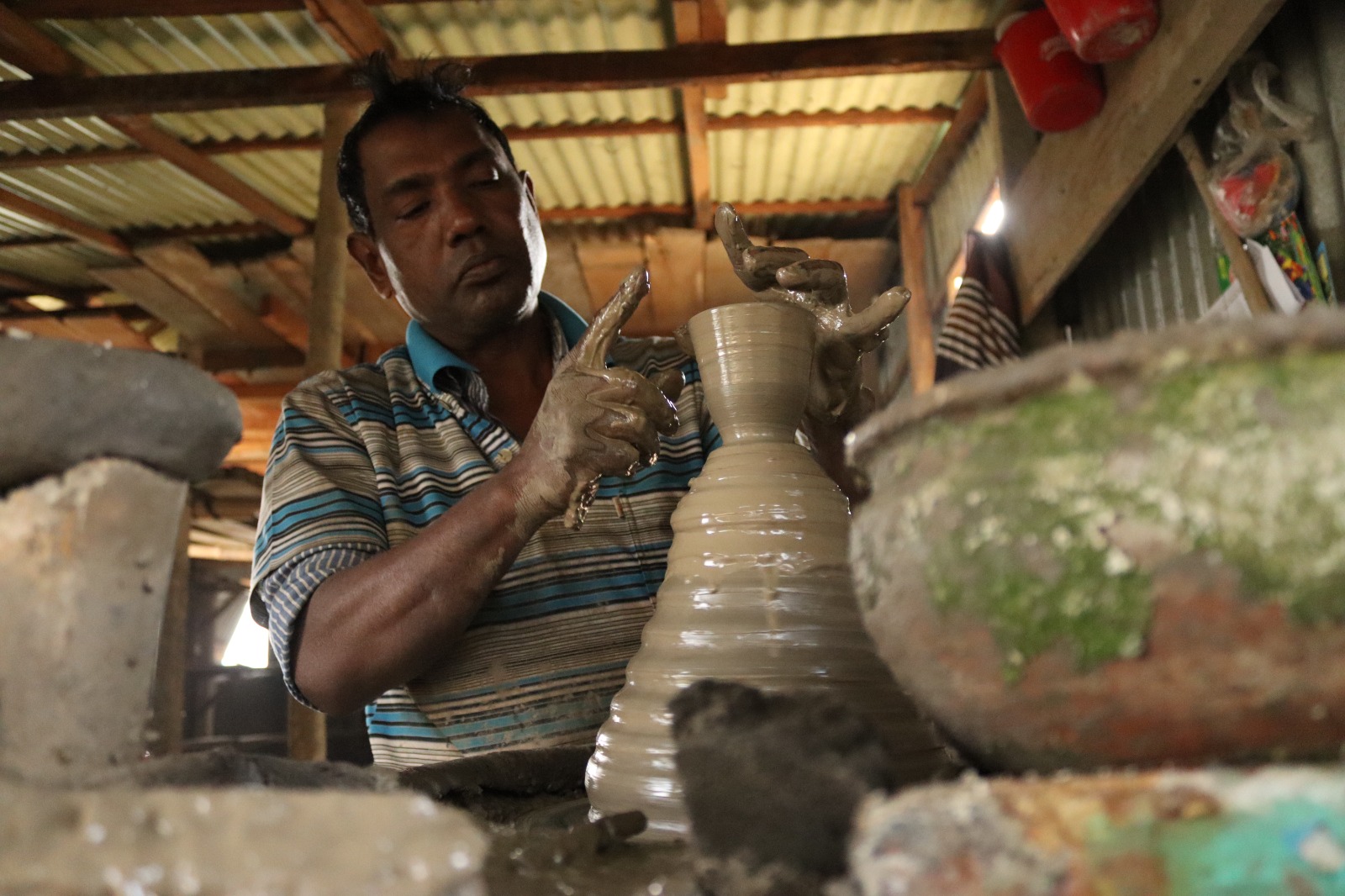
As the older artisans grow tired and the youth move away, a question quietly lingers in these villages: if this continues, will the sound of the spinning wheel one day fall silent forever? Without support, recognition and fair value for their work, Bangladesh may lose one of its most beautiful cultural traditions.