General Hospital, Kurigram, the only government hospital in the district, is serving a population of 23 lakh with just 23 doctors.
Although the hospital requires 122 doctors for its 250-bed facility, according to the on-duty residential doctor, Nisharga Meraj Chowdhury, it currently has only 23.
The hospital is facing a severe shortage of medical staff, struggling to meet the demands of a vast number of patients.
Since its upgrade to a 250-bed hospital in 2017, there has been no significant increase in staffing. While the hospital operates with a workforce intended for a 100-bed facility, many crucial positions remain vacant.

With only 23 doctors on duty, the facility struggles to cope with the increasing number of patients. On any given day, 400 to 500 patients are admitted, with numbers spiking to over 1,000 during peak summer months.
Patients have expressed frustration over the lack of adequate care, citing insufficient doctor visits and unclean facilities.


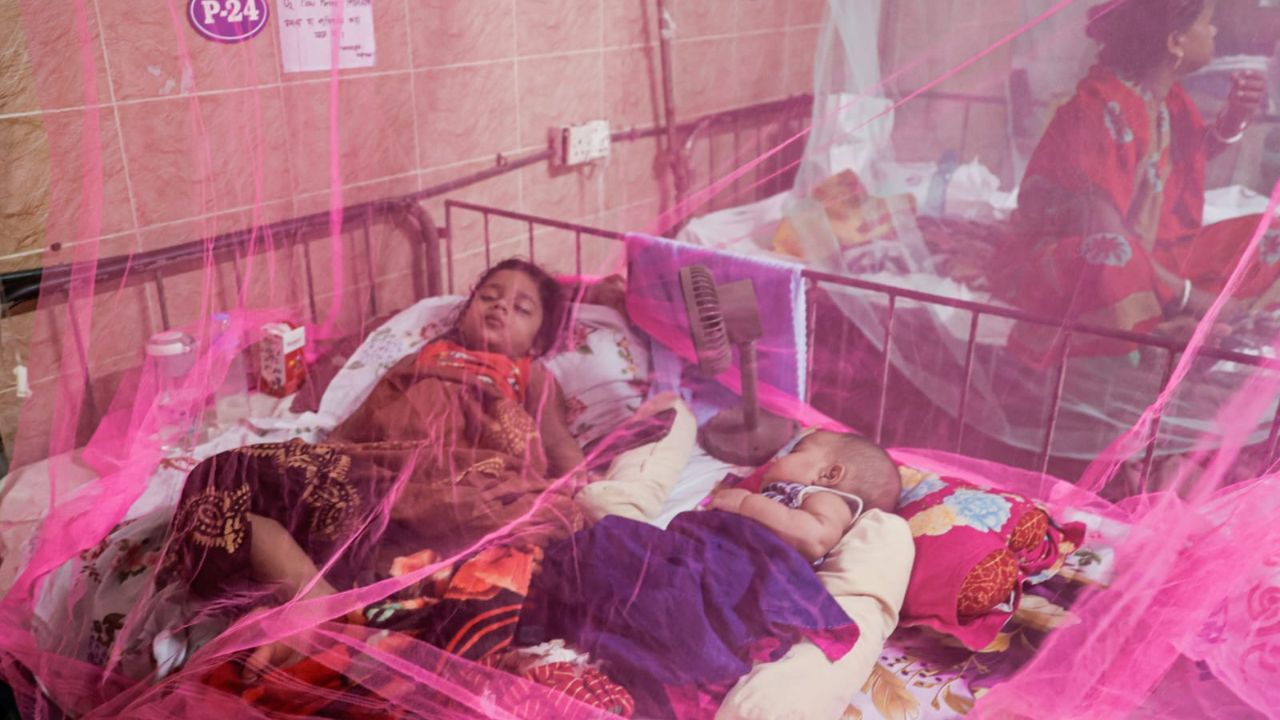

One patient, Maidol Islam, revealed that doctors only visit his ward once a day, and patients must arrange their own meals. The state of the bathrooms in the hospital is also a cause of concern, with many described as dirty and unusable.
In addition to the doctor shortage, the hospital’s equipment is also outdated, with the echocardiogram machine, vital for heart disease diagnosis, broken for nearly a year.
Patients like Kamal Rabidas, who require an echocardiogram for chest pain, are forced to seek private services at an additional cost of up to Tk1,500.
Hospital authorities acknowledge the issue but emphasise the ongoing shortage of medical staff and equipment.
The hospital also lacks ICU facilities. Nisharga Meraj Chowdhury emphasised the urgent need for an ICU and more doctors at the hospital.
The hospital’s director, Nur Newaz Ahmed, confirmed that despite numerous requests to the Directorate General of Health Services, no new appointments have been made.
Efforts to recruit more doctors and acquire an ICU facility remain a priority for the hospital, as the need for immediate action grows to address the mounting healthcare challenges in the region.