Bangladesh’s export growth has remained in negative territory over the past few months, as newly imposed tariffs of the United States have triggered significant disruptions in global markets, with repercussions felt even within the US itself.
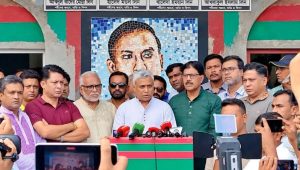
As a result, demand in Bangladesh’s major export destinations has declined noticeably, said Mohammad Hatem, president of the Bangladesh Knitwear Manufacturers and Exporters Association (BKMEA).
In a press statement issued on Sunday, Hatem said the new US tariff structure has prevented countries such as India and China from exporting to the American market, forcing them to divert shipments to the European Union.
“These countries are now aggressively targeting the EU market by offering garments at lower prices, enabling them to secure orders,” he said.

“Bangladeshi exporters are unable to compete on price for similar products, which has led to a decline in our exports to the European market as well,” Hatem added.
Addressing how competitors are managing to undercut prices, Hatem said the Indian government has introduced successive support packages to help its exporters absorb the impact of US tariffs.



“Just last week, India announced another support measure, and only yesterday approved an additional package worth 70 billion rupees,” he added.
In contrast, Hatem said Bangladesh’s exporters are facing a very different reality. Citing the International Monetary Fund (IMF) programme and the country’s upcoming graduation from least developed country (LDC) status, the government has withdrawn various export incentives, including cash assistance.
“The limited support that remained expired in December, and we have already urged the government to extend it,” he said, adding, “Such assistance is crucial for exporters’ survival. Without it, export trade will be severely disrupted.”
He further warned that a number of spinning mills have already shut down, while many garment factories are ceasing operations, describing the situation as an alarming signal for the export sector.
Hatem also noted that export orders typically slow ahead of national elections, and this year has been no exception.
However, he expressed optimism that exports could return to a positive trajectory after June, provided the government engages with industry stakeholders and takes timely, realistic policy measures following the election.