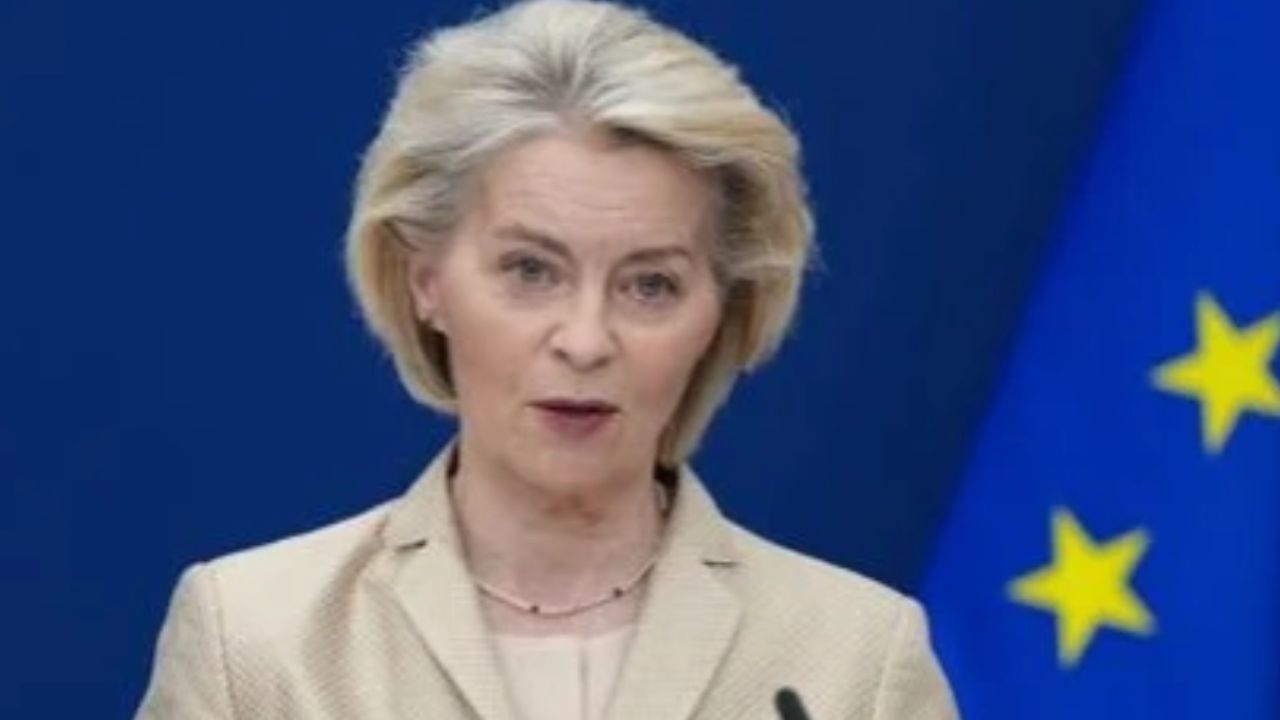

Leaders of the European Union (EU) have reaffirmed their decision not to participate in military operations in the Middle East alongside the United States and Israel, instead turning their attention to soaring energy prices and the potential economic consequences of the ongoing conflict.
At a summit in Brussels, heads of the EU’s 27 member states voiced concern over the sharp rise in oil and gas costs, warning that sustained increases could pose serious long-term challenges, UNB reports from AP.
Belgian Prime Minister Bart De Wever noted that energy prices were already elevated before the war but have surged further due to the conflict, creating risks for households and businesses across Europe.

Despite pressure from US President Donald Trump to send troops to secure the Strait of Hormuz, a critical global energy route, EU countries have consistently rejected military involvement. EU foreign policy chief Kaja Kallas emphasised that there is “no appetite” among member states to expand their military presence in the region.


Several leaders stressed Europe’s determination to stay out of the conflict. Austrian Chancellor Christian Stocker stated the bloc would not be “blackmailed” into joining the war, while German Chancellor Friedrich Merz said any consideration of participation would require an international mandate and only after hostilities have ceased.
However, divisions persist within the EU. Some leaders pushed for tougher sanctions on Iran, while others, including Spanish Prime Minister Pedro Sánchez, condemned the war as illegal and highlighted the humanitarian and global economic risks it poses.
The crisis has shifted the focus of the summit, originally intended to address internal matters such as financial aid for Ukraine, toward concerns over a potential refugee surge. The European Commission has proposed a series of measures to help member states cope with rising energy costs, though officials admit no single solution will meet the needs of all economies across the bloc.
EU leaders reiterated that boosting energy independence—through investment in domestic production and renewable sources—remains essential to safeguarding long-term economic and security stability.