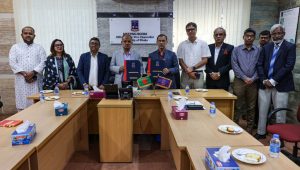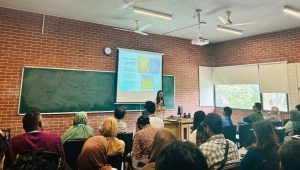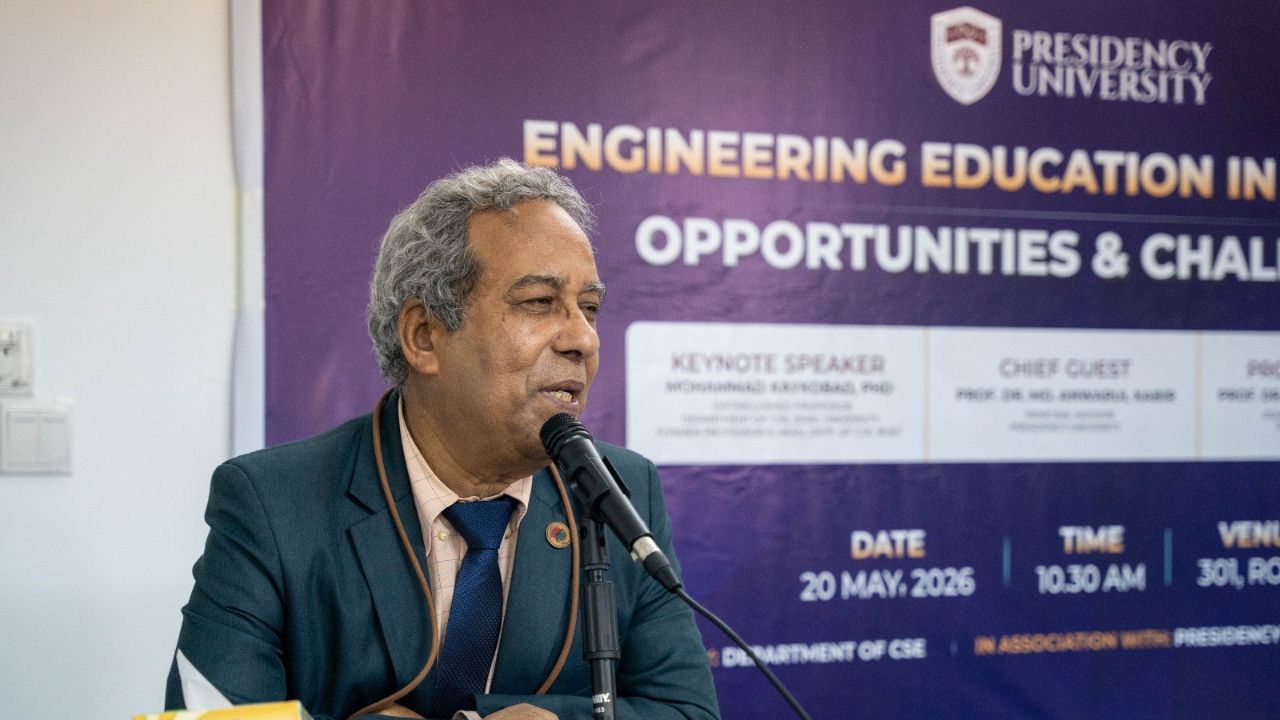



Presidency University’s Department of Computer Science and Engineering held a seminar on 20 May 2026 to examine the opportunities and challenges of engineering education in the age of Artificial Intelligence (AI), speakers said in a press announcement. The event, titled “Engineering Education in the AI Era: Opportunities & Challenges”, brought together faculty, students and technology enthusiasts to discuss how rapid technological change is reshaping classrooms, careers and the skills future engineers will need.
Renowned academic and computer scientist Professor Dr Mohammad Kaykobad delivered the keynote paper, emphasising that tomorrow’s engineers must combine technical expertise with creativity, strong problem‑solving abilities and a sense of humanity, the release said. The seminar was hosted by the CSE department and reflected a collective effort to understand the implications of AI on education and professional life.
AI’s transformative impact on engineering education was a central theme. While the technology has unlocked vast possibilities in research, software development and smart technologies, speakers said it has also created significant challenges, particularly in preserving critical thinking and academic integrity. Historically, students learned by struggling through code, making mistakes and learning through persistence; today, powerful AI tools can solve complex problems within seconds, speakers noted, raising concerns that students may become overly reliant on automation at the expense of analytical skill development.

“The real challenge lies in understanding technology and applying it creatively,” the press release quoted Professor Kaykobad as saying.
Dr Farzana Alam, academic and social activist, was a special guest at the seminar. She underscored the importance of maintaining empathy, social responsibility and human values alongside technological progress. Her intervention carried a stark reminder of the ethical dimensions of innovation: “The more powerful technology becomes, the more humane people must become,” the release said.




The session was chaired by Professor Dr Shahidul Islam Khan, Dean of the School of Engineering, and attended by Professor Dr Md Anwarul Kabir, Principal Advisor of Presidency University, who served as chief guest. Speakers highlighted that the institution’s educational mission extends beyond degree attainment, aiming to nurture students’ soft skills through academic seminars and co‑curricular activities that build confidence and compassion alongside competence.
Presenters stressed that the rapid rise of AI demands a pedagogy that equips students to harness technology responsibly, rather than simply operate it. They urged educators and students alike to prioritise ethical use of AI tools and to safeguard academic honesty in an era of instant solutions.
The seminar also explored how AI tools are rapidly reshaping traditional teaching models and the student‑teacher relationship, prompting reflection on the evolving purpose of higher education. Participants were encouraged to think critically about how AI can be integrated into curricula while maintaining rigorous intellectual standards.
Presidency University officials said such discussions are part of a broader strategy to prepare graduates for a future in which technology and humanity coexist. Through regular seminars and club‑based co‑curricular programmes, the university aims to cultivate not just industry‑ready engineers, but well‑rounded individuals capable of contributing ethically and creatively to society.
Overall, the event aimed to provoke thoughtful engagement with the question of what it means to be an engineer in the AI era. Amid a growing dominance of technology, the resounding message was clear: even as machines become more capable, preserving the essence of humanity in education and innovation remains paramount.