

The recent incidents of violence, public humiliation, and abuse of women and children in Bangladesh have once again exposed a deeply troubling reality: the growing normalisation of mob justice and the weakening of the rule of law. Such incidents are not isolated criminal acts. They are symptoms of a broader culture of impunity that became increasingly visible following the political transition of August 2024 and continues, in varying forms, under the current elected government.
Bangladeshis across political divides should be alarmed by the frequency with which ordinary citizens, particularly women, are subjected to harassment, intimidation, and physical assault by private individuals or groups acting outside the law. Regardless of political affiliation, gender, religion, or social status, no citizen should be punished by mobs, self-appointed vigilantes, or individuals claiming authority they do not legally possess.
The foundation of any democratic society is clear: allegations of wrongdoing must be addressed through lawful institutions and due process. The police investigate, prosecutors prosecute, and courts determine guilt or innocence. No individual or group has the legal right to assume the functions of the state and impose punishment on another citizen.
Recent incidents, especially the one on 18 June 2026 involving the public assault of women in broad daylight on street raise disturbing questions. Was the person involved acting under lawful authority as a member of a law enforcement agency? If not, under what legal framework can a private citizen physically restrain, assault, or humiliate another person in broad daylight? The answer is simple: there is none.
When such acts occur openly and repeatedly, confidence in state institutions inevitably erodes. More importantly, they force us to ask whether Bangladesh is functioning as a democratic state governed by law or drifting toward a culture where power is exercised through intimidation, public shaming, and mob action.
The victims of this dangerous trend are often women and children. This is particularly alarming given Bangladesh’s internationally recognised achievements in women’s empowerment, girls’ education, maternal health, and social development. These gains, achieved through decades of effort, risk being undermined if violence and impunity are allowed to flourish.

This is not merely a domestic governance issue. It is also a matter of international legal obligation.
Bangladesh is a State Party to the Convention on the Elimination of All Forms of Discrimination against Women (CEDAW) and the Convention on the Rights of the Child (CRC). These treaties require the state to protect women and children from violence, discrimination, abuse, exploitation, and degrading treatment. Bangladesh is also a party to the International Covenant on Civil and Political Rights (ICCPR) and remains committed to the principles of the United Nations Charter, which uphold human dignity, equality before the law, fundamental freedoms, and protection from arbitrary treatment.
The protection of women and children is therefore not simply a policy choice; it is a constitutional, legal, and international obligation. At the same time, freedom of expression and freedom of peaceful assembly are fundamental rights guaranteed under both Bangladesh’s Constitution and international human rights law. Citizens have every right to criticise governments, organise peacefully, and express political opinions. However, these freedoms do not include the right to assault, intimidate, humiliate, or punish others. Democratic freedoms must operate within the framework of law. The right to protest does not include the right to physically attack. The right to organise does not include the right to establish parallel systems of justice.




One of the most disturbing developments since August 2024 has been the apparent normalisation of mob-driven enforcement mechanisms. Numerous reports have emerged of citizens being harassed, threatened, assaulted, or publicly humiliated by groups acting outside formal legal institutions.
Many Bangladeshis hoped that the restoration of elected government would bring a decisive end to these practices. That expectation remains unfulfilled. The current BNP led government occupies a fundamentally different position from the unelected administration that preceded it. Unlike an unelected government, it derives its legitimacy directly from the electorate and therefore bears greater responsibility for protecting citizens’ rights, ensuring public safety, and upholding the rule of law.
The government must therefore act swiftly and decisively whenever incidents of violence against women and children occur. Every allegation should be investigated transparently, and perpetrators should be brought before the courts regardless of political affiliation, social influence, or ideological sympathy.
Equally important is the role of the international community. Before 5 August 2024, allegations of human rights violations often generated strong reactions from several Western embassies in Dhaka, international human rights organisations, and United Nations officials. Public statements, diplomatic engagement, and expressions of concern were frequent. Since August 2024, however, many Bangladeshis have observed what appears to be a markedly different approach. Numerous incidents involving violence, attacks on women, restrictions on freedom of expression, assaults on political opponents, and other alleged human rights violations have often generated considerably less visible public concern from some of the same actors.
Particularly noticeable has been the perceived silence of sections of the diplomatic community, including some Western embassies, as well as the limited public engagement of certain United Nations officials and human rights representatives regarding incidents occurring during both the Yunus administration and the current government. Whether fully justified or not, this perception has raised legitimate questions regarding consistency in the application of international human rights standards.
Human rights principles derive their credibility from universality. Violence against women should be condemned regardless of who governs. Restrictions on freedom of expression should raise concern irrespective of political affiliation. Attacks on peaceful assembly should receive equal attention regardless of whether the victims belong to the government, opposition, or civil society. Human rights lose moral authority when they appear selective.
This is not an argument against international engagement. Bangladesh benefits greatly from constructive engagement with the United Nations, development partners, diplomatic missions, and international human rights organisations. However, credibility requires consistency. Domestic institutions must also play their part. Human rights organisations, women’s rights groups, professional bodies, academics, lawyers, journalists, and civil society leaders must speak out consistently against violence and abuse. The protection of human dignity should never become a partisan issue.
Bangladesh has earned global recognition for its achievements in women’s empowerment, child survival, public health, peacekeeping, and sustainable development. Preserving these gains requires more than economic progress or electoral legitimacy. It requires an unwavering commitment to the rule of law, human dignity, and equal protection for all citizens.
The path forward is clear. The government must unequivocally reject mob justice and vigilantism, ensure prompt investigation and prosecution of offenders, strengthen protection for women and children, and safeguard freedom of expression and peaceful assembly for all citizens.
At the same time, international actors must demonstrate consistency in their advocacy. Human rights principles are strongest when applied universally and weakest when perceived as selective.
Bangladesh deserves a future where no woman fears public humiliation, no child suffers violence, no citizen is punished without due process, and no government can evade accountability. Violence against women and children must end. Impunity must end. Selective human rights advocacy must end. The rule of law must prevail.
The views expressed in this article are solely those of the author
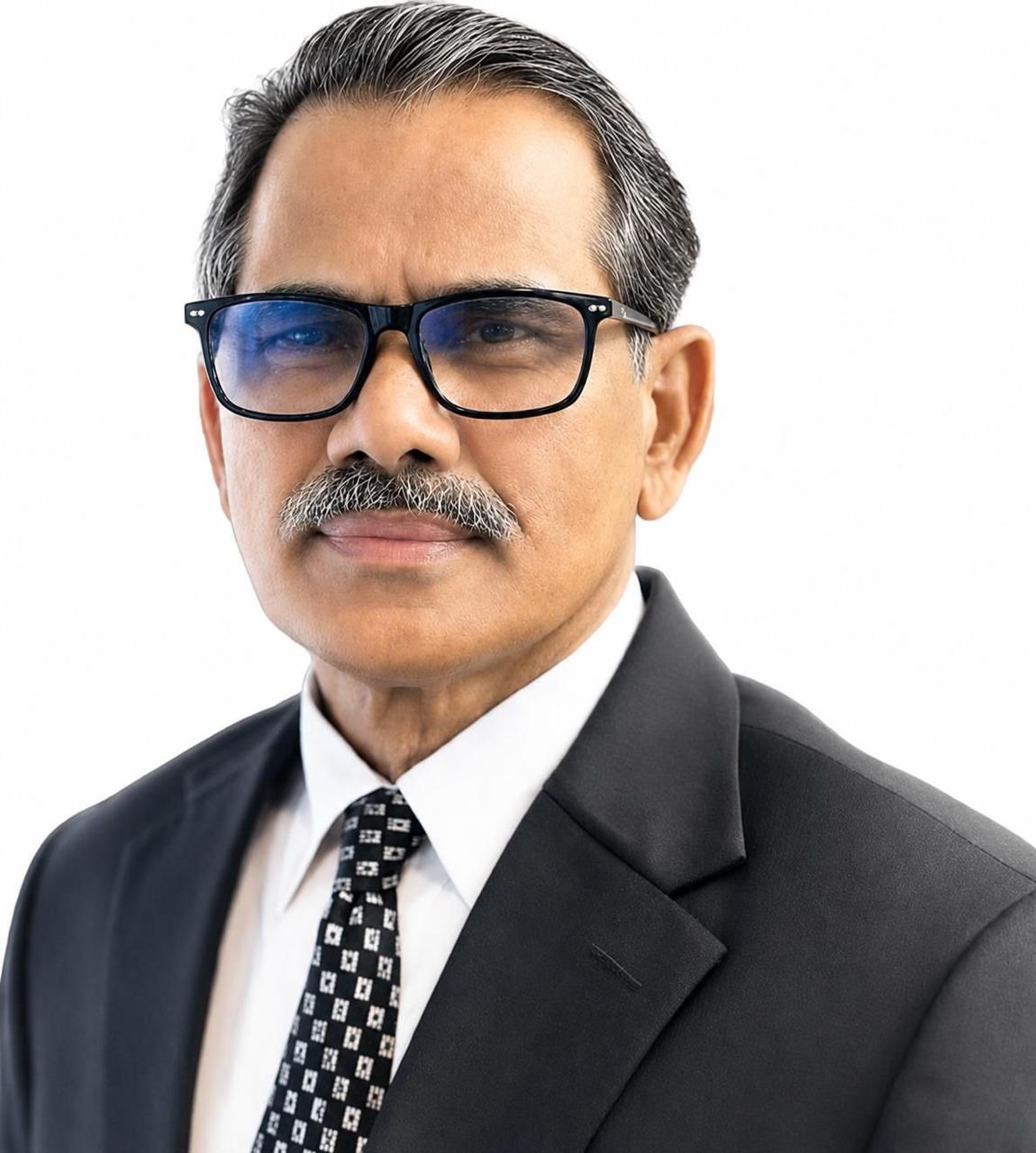
The writer is the Former Ambassador and Secretary to the Government of Bangladesh, Former Senior Public Health Policy Adviser and WHO Representative to UN ESCAP