
Government primary schools across Bangladesh are silent. No morning assemblies. No laughter in the corridors. From Sunday, November 9, classes have stopped after teachers began a nationwide work abstention.
What began as a peaceful protest for fair pay and promotion turned into chaos at Shahbagh on Saturday, November 8. Teachers marching toward the state guesthouse, Jamuna, were stopped by the police. Then came the sound grenades, tear shells and panic. Many were injured. Five teachers were arrested. However, they were released around noon on Sunday. The protest ended in violence but the silence in classrooms has only deepened.
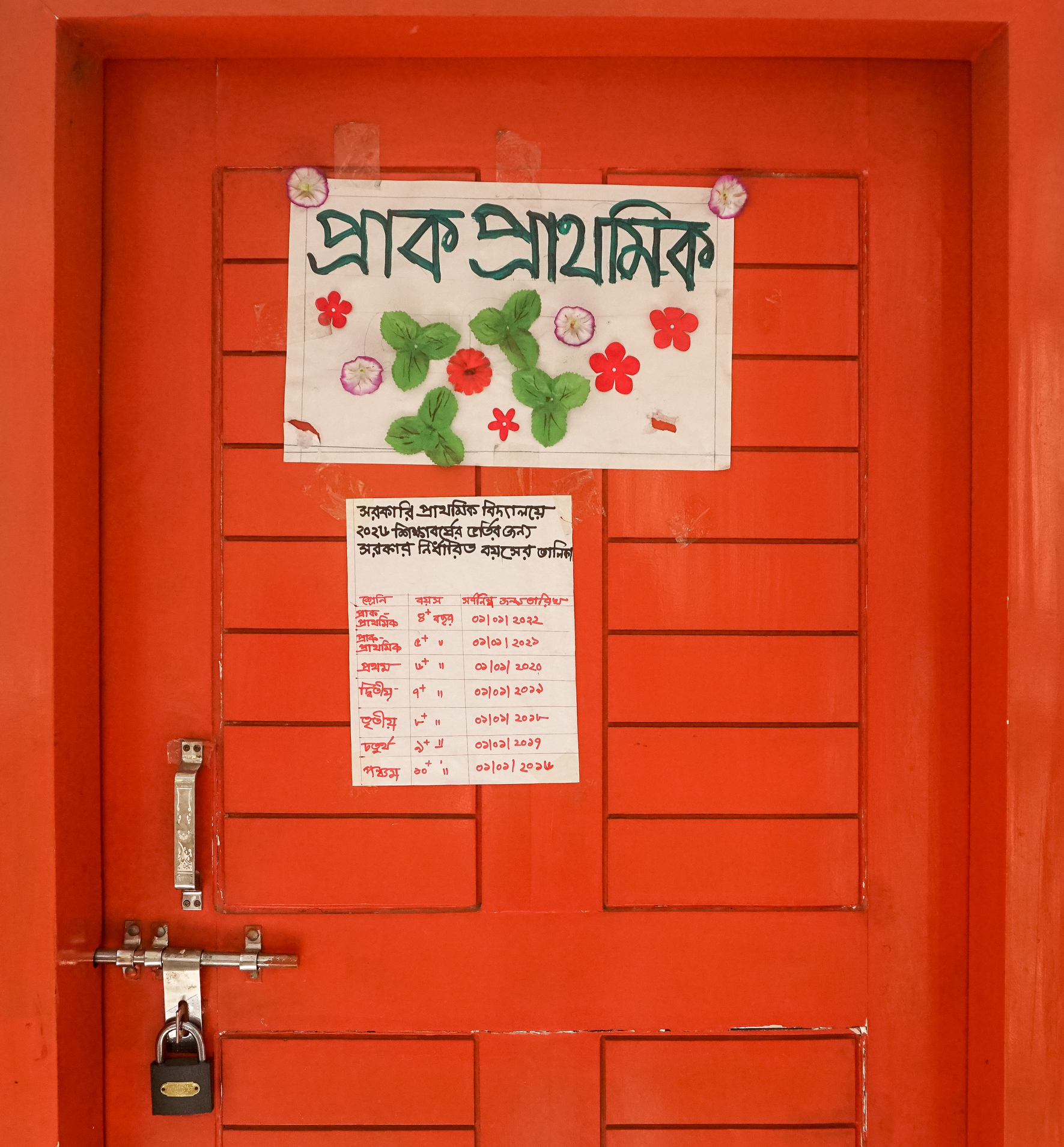
The movement was called by the Prathomik Shikkhok Dabi Bastobayon Parishad. Their frustration has been building for years. They say assistant teachers are among the lowest paid in the government sector. They teach, manage, guide and still earn less than others in similar grades. For a long time, they waited for promises to turn into action. This time, they decided not to wait anymore.

After the clash, teachers made three conditions for talks. First, the release of the arrested teachers. Second, treatment for those injured in the police action. Third, a promise of no harassment. Only after these, they said, will they sit at the table. Their core demands remain the same: upgrade the pay scale, ensure full promotion to head-teacher posts and provide grade benefits after 10 and 16 years of service.
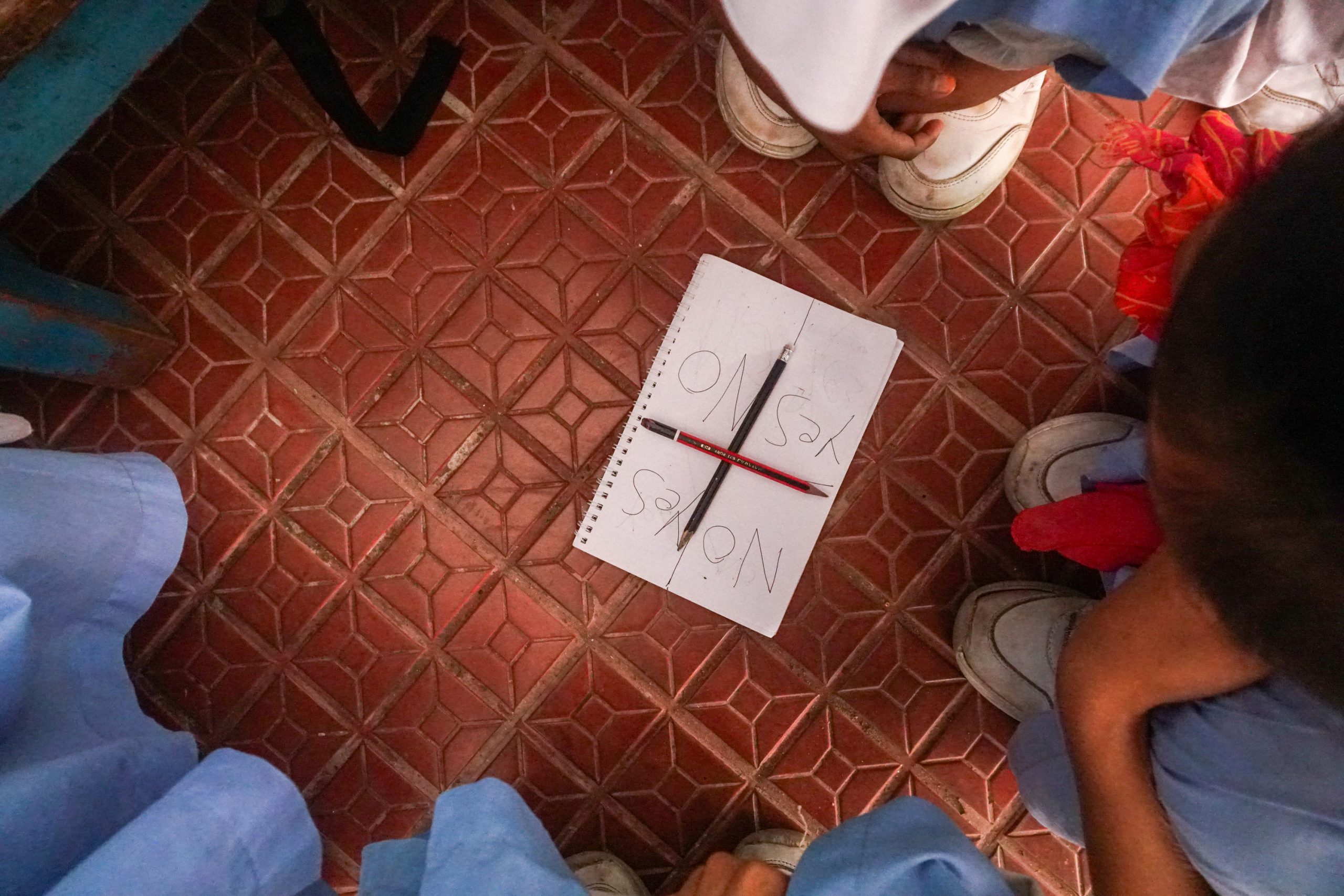
In all this, the children are the quiet victims. Millions are missing school. In rural areas, parents don’t know when lessons will resume. Many children rely solely on government schools. For them, every day without class is a day of lost learning. Some may never fully catch up.
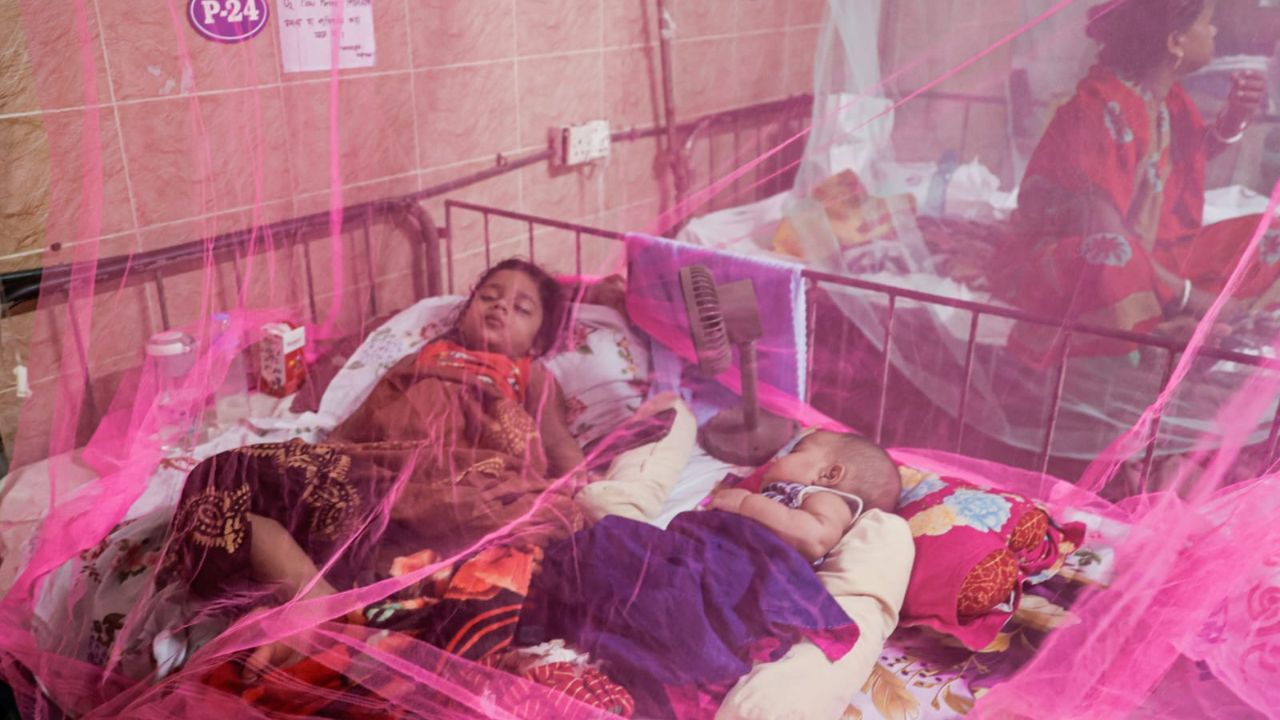


The impact runs deeper than numbers. Teachers are often a child’s first mentor outside the family. Their absence leaves both a learning and emotional gap. The sudden break disrupts routines, stalls progress and risks pulling vulnerable students away from education altogether.
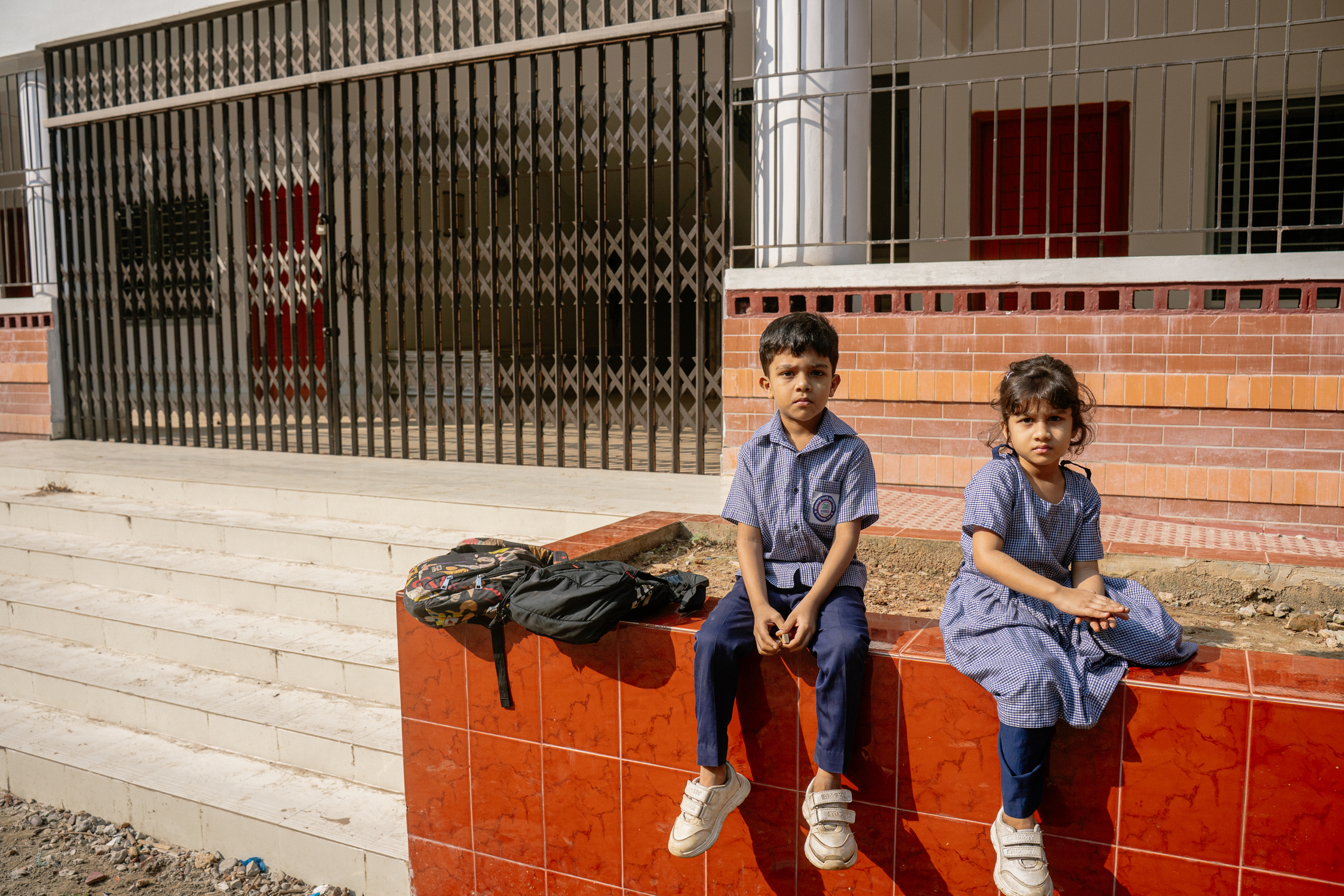
Photo: Md Rizwanul Hasan & Tasif Anwar/TIMES
Education specialists are warning of long-term damage. Missed classes mean weaker reading, slower comprehension and fading motivation. Once children fall behind, it’s hard to bring them back. A few weeks of shutdown can ripple through their entire schooling journey.
The government says it is open to discussion. The teachers say talks can start only after their demands are respected. For now, both sides seem firm.
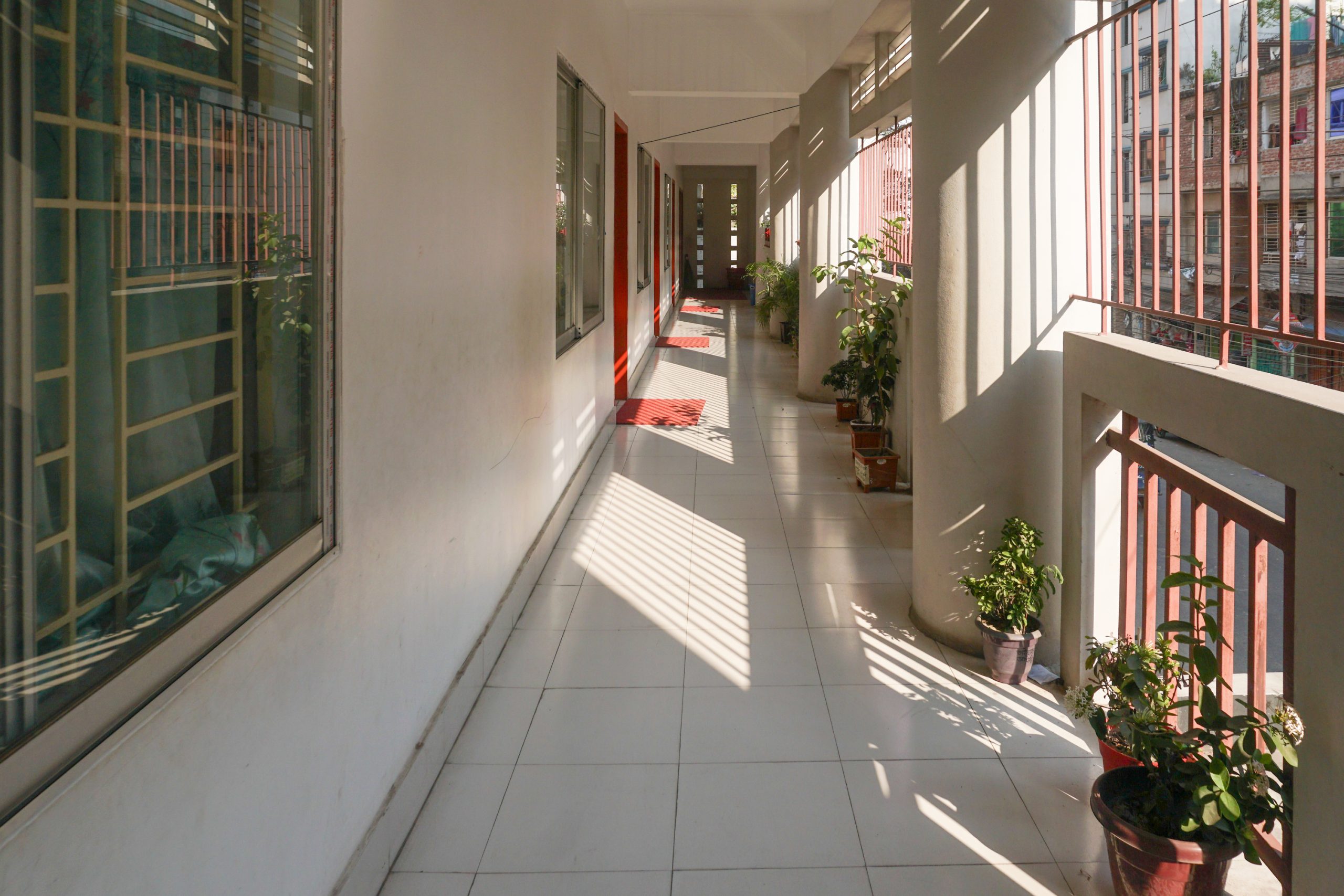
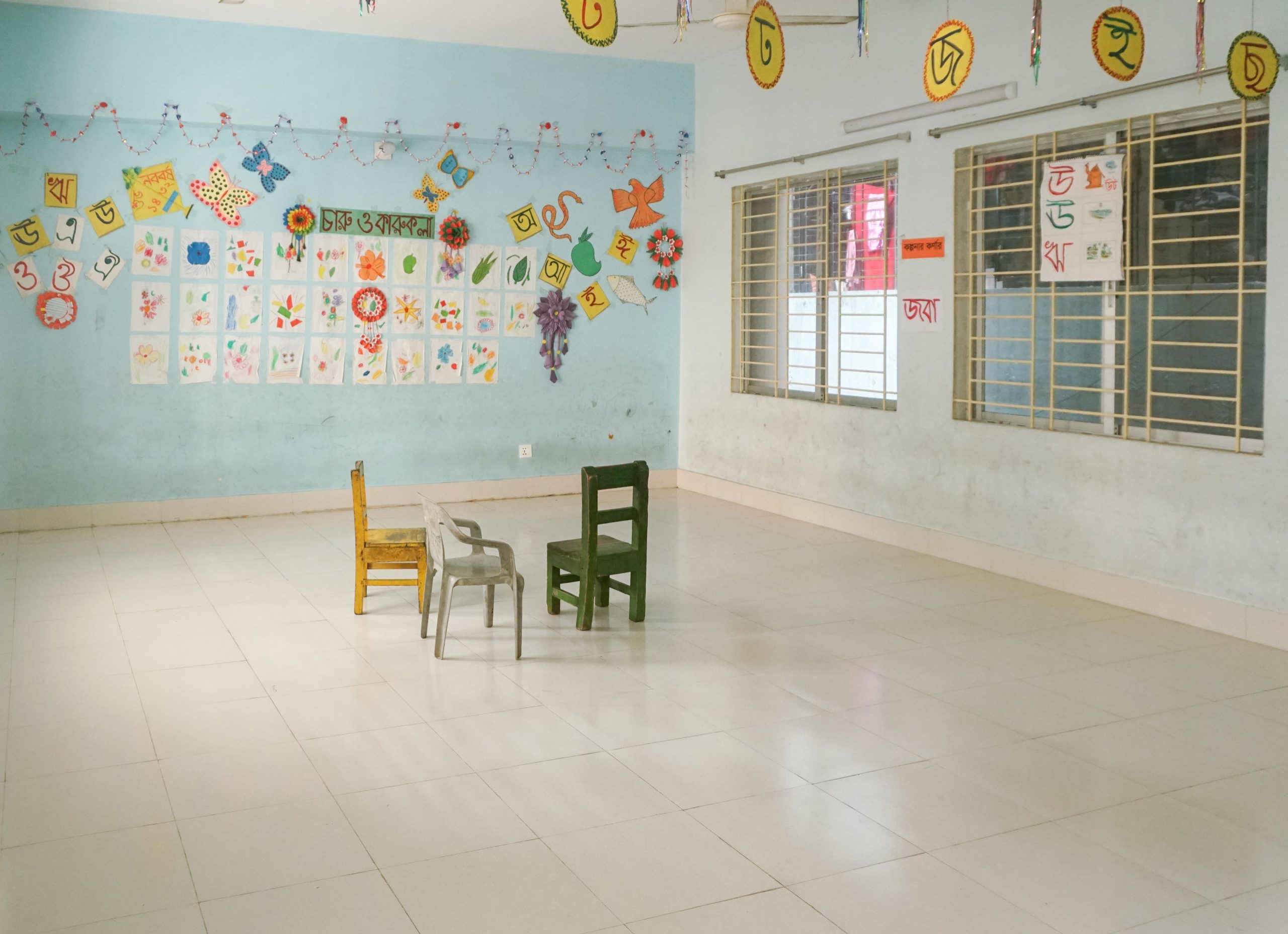
Meanwhile, schools remain empty. Desks gather dust. Chalkboards stay clean. It’s not just a standoff between teachers and the state; it’s a pause in the lives of thousands of young learners. Every day without lessons pushes their dreams a little further away.