The day after Easter Sunday often arrives quietly, almost like a gentle exhale after celebration. Yet Easter Monday carries its own meaning across the world, a day shaped by history, faith and the simple human desire to pause, gather and continue the joy of renewal.
At its heart, Easter Monday sits within the wider Christian celebration of Easter, which marks the resurrection of Jesus Christ. While Easter Sunday is the centrepiece, Easter Monday extends the spirit of the occasion. In many traditions, it reflects a continuation of reflection and togetherness.
Historically, Easter Monday became recognised as part of the Christian liturgical calendar during the early spread of Christianity across Europe. As the religion intertwined with local customs, the day began to take on regional character.
Today, Easter Monday feels less like a single event and more like a global mosaic of traditions. Each country colours it differently, blending faith with culture and history.
Italy

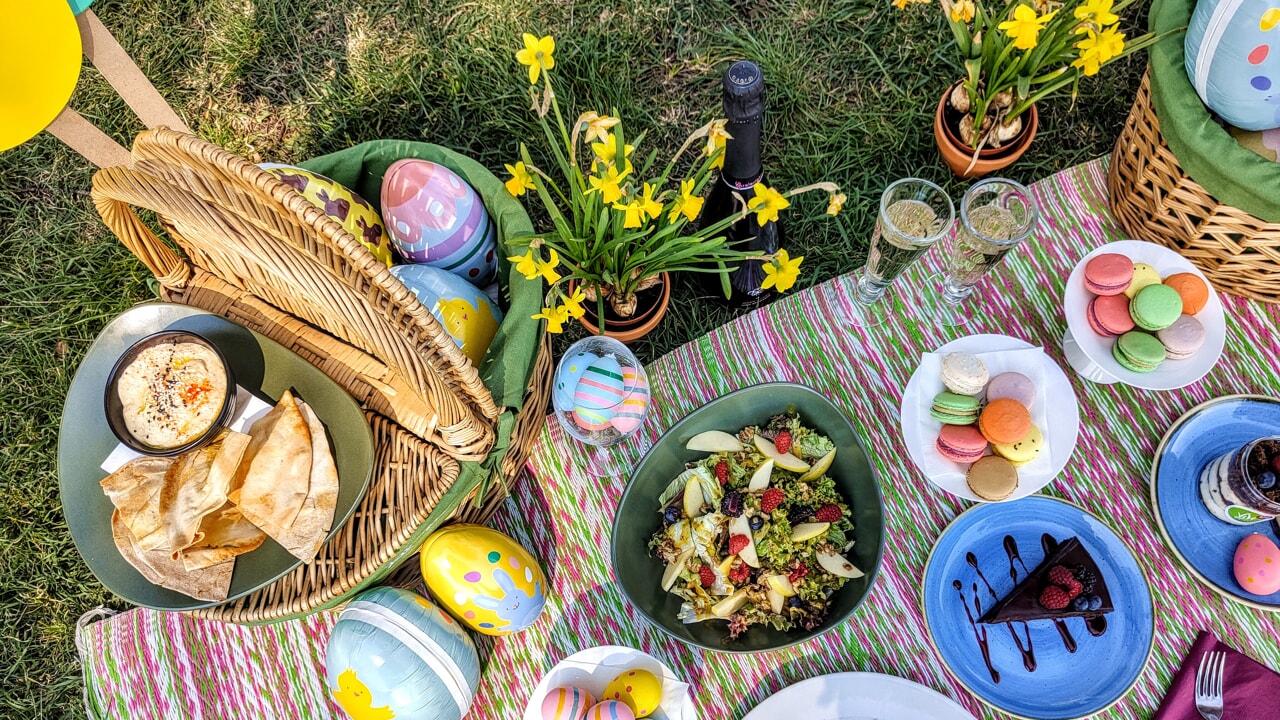
Easter Monday is known as ‘La Pasquetta’ across Italy. It is a day built for the outdoors. After the solemnity of Easter Sunday, families and friends head into the countryside for picnics, long lunches and relaxed walks. Parks fill with laughter and baskets are packed with bread, cheese and leftover Easter treats. It is a reminder that celebration does not always need ceremony but only good company and open skies.
Greece
Travel further to Greece and Easter Monday becomes an extension of one of the country’s most important religious celebrations. After midnight services, candlelit processions and Easter feasts, the following day is often spent resting and reconnecting. Tables remain full, conversations stretch long into the afternoon, and villages echo with a sense of calm after celebration. The atmosphere feels deeply rooted, where tradition is not performed but lived.




Portugal
The day carries a quieter rhythm across Portugal. In some towns, traditions involve processions and community visits, where people reconnect with neighbours and extended family. It is less about spectacle and more about continuity – a thread of faith and familiarity that ties generations together.
Brazil
Across the Atlantic, the tone shifts again. In Brazil, Easter Monday is not always a public holiday, but the Easter period carries strong cultural and religious significance. Churches remain active and families often extend their gatherings beyond the weekend. In some regions, it blends into a broader festive period where faith and festivity sit side by side.
Argentina
In neighbouring Argentina, Easter Monday often marks the end of the Holy Week break. For many, it is a final day of rest before returning to routine. People travel, visit relatives or simply enjoy a slower pace of life.
What makes Easter Monday particularly fascinating is how it adapts. Unlike holidays defined by a single set of rituals, it absorbs the character of each place it touches.
For travellers, Easter Monday offers something unique. It is a chance to witness how cultures express joy beyond the obvious. It is less about tourist attractions and more about atmosphere, about stepping into a rhythm that feels both local and universal.
From a Bangladeshi perspective, the essence of the day feels surprisingly familiar. Though the traditions differ, the idea of extending a celebration, of visiting loved ones and of slowing down after a significant occasion resonates deeply. It mirrors the way festivals at home often stretch beyond a single day, carrying their warmth forward through shared meals and lingering conversations.
Sometimes, the most beautiful part of a celebration is not its peak but what comes just after, when the noise fades and what remains is simply being together.