


Bangladesh needs a comprehensive and regularly updated drug-pricing policy to keep essential medicines affordable while ensuring the pharmaceutical industry remains sustainable, health economists, public health experts, industry representatives and consumer rights activists said on Saturday.
They made the call at a virtual discussion titled “Drug Prices: What’s the Rationale? Whose Rationale? What’s the Solution?”, organised by the Power and Participation Research Centre (PPRC).
PPRC Executive Chairman Hossain Zillur Rahman moderated the discussion.
The speakers said more than 60% of Bangladesh’s total healthcare spending goes towards medicines. According to national health accounts, medicines worth around Tk37,000 crore are consumed annually, of which about Tk35,000 crore is paid directly by patients.
They said high out-of-pocket spending cannot be attributed to drug prices alone. Excessive medicine use, purchasing drugs without prescriptions, unregistered medicine shops and weaknesses in the primary healthcare and referral systems are also driving up costs.
Professor Syed Abdul Hamid of Dhaka University’s Institute of Health Economics said Bangladesh introduced the “cost-plus markup” method in 1994 to determine the prices of 117 essential medicines. However, their prices had not been comprehensively reviewed for decades.
“It is not realistic to keep the price of a commercial product unchanged for decades,” he said, adding that some companies had stopped producing essential medicines because of low returns, while others were cross-subsidising them with profits from other products.

Citing India’s drug-pricing system, Hamid said Bangladesh should consider establishing an independent and capable authority to regularly collect market data and review medicine prices.
He proposed setting realistic benchmark prices for essential medicines and adjusting them periodically in line with inflation.
Hamid also said excessive medicine use was a major contributor to people’s healthcare expenses. He pointed to the widespread practice of buying medicines without prescriptions, taking drugs based on someone else’s prescription and purchasing medicines from unregistered shops and even grocery stores.
Health economist Prof Rumana Huq said patients’ out-of-pocket expenditure was also increasing because of inadequate medicine supplies at government hospitals.

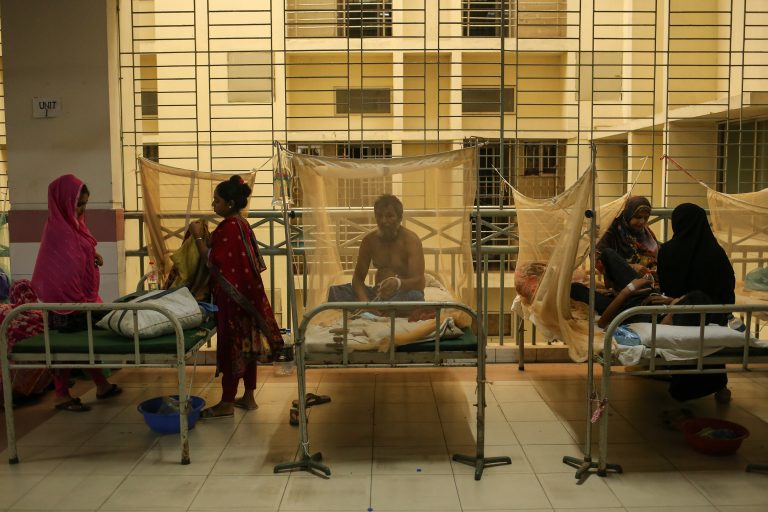
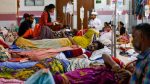
Patients often have to purchase medicines from outside when supplies at public hospitals run out, she said.
She called for greater transparency in the pharmaceutical supply chain, including information on imports, raw materials, production costs, distributor and wholesale margins and marketing expenses.
“Without such information, it is difficult to properly assess the pricing and profitability of pharmaceutical companies,” she said.
Mohammad Musaddeq Hossain, senior vice-president of the Bangladesh Association of Pharmaceutical Industries (Bapi), said the domestic pharmaceutical industry meets around 98% of the country’s medicine demand.
He said drug prices must remain affordable, but the costs involved in maintaining production quality and ensuring a sustainable industry must also be considered.
Musaddeq said prolonged delays in price adjustments had already resulted in shortages of some essential medicines. He also criticised recent government efforts to regulate drug prices, saying industry representatives had not been adequately consulted.
Public health expert Mohammad Mushtak Hossain said cancelling the government’s recent initiative to revise the essential medicines list and regulate prices because of inadequate stakeholder consultation could weaken regulation of the medicine market.
Barrister Jyotirmoy Barua, a consumer rights activist, said the proposed price-setting initiative for 117 essential medicines had remained at the draft stage and was not legally binding.
He said the Drugs and Cosmetics Act 2023 had also narrowed the government’s authority over drug prices. Effective regulations should be introduced to make the pricing process transparent, while consumers should have a voice alongside pharmaceutical companies, he said.
Renata Pharmaceuticals CEO and Managing Director Kaiser Kabir, however, said many medicines in Bangladesh were relatively inexpensive compared with international markets.
He acknowledged that some high-priced medicines, particularly those used to treat cancer and other complex diseases, remained unaffordable for many families.
Kabir called for stronger government procurement, saying the state could use its purchasing power to provide essential medicines to poor and disadvantaged patients at lower prices or free of charge.
The participants agreed that drug-price regulation should not focus solely on reducing prices. They called for a balanced system that ensures affordability and availability while allowing pharmaceutical companies to maintain quality and invest in research and development.
They also stressed the need to promote rational prescribing, increase the use of generic medicines, curb unnecessary antibiotic and vitamin use, and strengthen medicine supply and pricing data systems.
The speakers further called for greater investment in research and innovation in the pharmaceutical sector to help Bangladesh compete globally after its graduation from the least developed country category.
They urged the government, pharmaceutical industry and public health experts to maintain regular and transparent dialogue to develop a sustainable drug-pricing system.