In the past two days, several earthquakes have struck the country. One tremor was felt on Saturday morning and two more occurred consecutively in the evening. Earlier, on Friday at 10:38am, an earthquake shook the capital and surrounding areas.
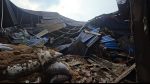
Friday’s quake was felt across the entire country. During the tremor, many people rushed outside in panic, while some even jumped from buildings. As a result, 10 people, including children, were killed and more than 600 others were injured.
There are certain safety measures to follow during earthquakes. The Ministry of Disaster Management and Relief has issued a set of guidelines.
Take cover immediately
At the first sign of shaking, drop to the floor and take shelter. The safest option is to get under sturdy furniture, such as a solid table or bed and hold on until the tremor passes. Keep away from windows, loose cabinets, and any object that may topple.

If you find yourself in an open room with no furniture, crouch down, shield your head and neck with your arms, and position yourself close to an interior wall.
Remain indoors if already inside
A common impulse during an earthquake is to rush outside, often down staircases or toward parking areas. This reaction can be dangerous. If you are indoors, stay where you are. Avoid standing in doorways or by windows, and never attempt to use an elevator during a quake.



When you are on the road
If an earthquake strikes while you are outdoors or driving, move cautiously to an open area away from overhead structures, walls, and electrical lines. Drivers should pull over to a safe spot clear of flyovers, bridges, and tall buildings. Stay inside the vehicle until the shaking stops.
Once conditions stabilise, take time to assess your surroundings before moving again.
Assess your environment
The end of shaking does not always mean the danger is over. Strong tremors can cause hidden hazards such as gas leakage, faulty wiring, or weakened structures. After the quake, carefully inspect areas like basements and utility points. If you notice anything unusual, leave the building and seek professional assistance.
Stay connected but wisely
Reaching out to friends and family helps calm nerves after a frightening experience, but digital networks often become overloaded. Simple calls or text messages are more reliable than heavy internet use during such moments.
Be prepared in advance
Since earthquakes offer little warning, having basic essentials ready can make a significant difference. A small emergency kit with water, essential medicines, and basic supplies can be useful. At home or work, securing a safe spot with stable, heavy furniture can provide quick shelter during sudden tremors.
Being aware, staying calm, and preparing ahead can greatly reduce the risks posed by earthquakes and help ensure safety for yourself and those around you.
Others dos and don’ts:
- Do not panic when you feel a tremor.
- If you are in bed, cover your head with a pillow and take shelter under a table, desk, or sturdy furniture.
- If in the kitchen, turn off the gas stove and exit quickly.
- In schools, protect your head with a schoolbag and take cover under a strong bench or desk.
- If outside, move to open spaces away from trees, tall buildings, and electric poles.
- In garment factories, hospitals, markets, or cinemas, avoid crowding or pushing at exits; instead, cover your head with both hands and sit down.
- If trapped under a collapsed wall, avoid excessive movement. Cover your face with cloth to prevent dust from entering your airways.
- After one tremor, another may follow. Use the opportunity to move to an open area.
- If on upper floors, wait until the shaking stops; do not jump or use elevators.
- Once the tremor ends, exit quickly using stairs and stay under open sky.
- If in a vehicle, stop away from pedestrian bridges, flyovers, trees, and electric poles. Remain inside until the shaking stops.
- Keep a battery-powered radio, flashlight, water, and first-aid supplies at home.