





Daffodil International University (DIU), the Proyash Technology Foundation and six technology companies have launched the Daffodil CAE Center, Bangladesh, to strengthen advanced engineering capabilities, industry-academia collaboration, research and technology services in the country.
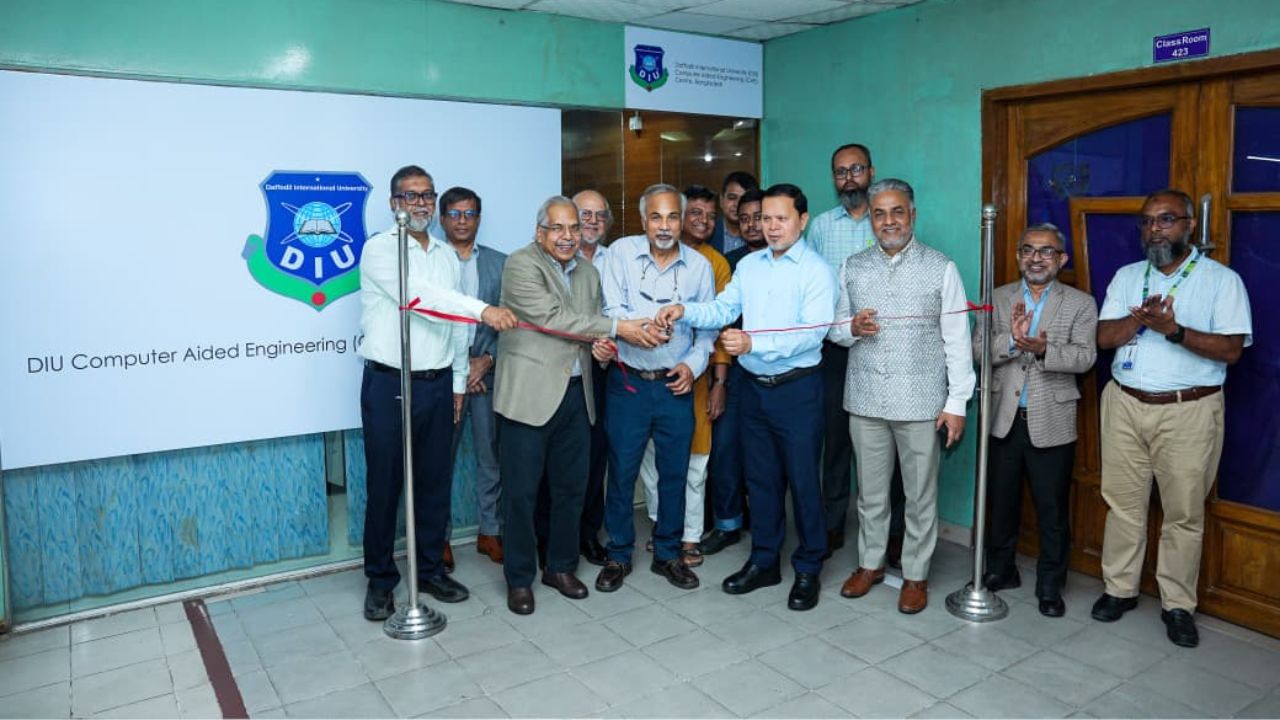
The centre was inaugurated on Tuesday (4 August) at Daffodil Plaza, Sobhanbag, Dhaka, alongside an orientation programme for its first batch of participants. The initiative aims to develop industry-ready engineering professionals and accelerate technology-driven innovation through Computer-Aided Engineering (CAE) applications.
Dr Md Sabur Khan, chairman of Daffodil Group and chairman of the Board of Trustees of Daffodil International University, led the inauguration as chief guest. Dr Syed Wahiduzzaman, co-founder and senior vice president of Gamma Technologies Inc (GTI), USA, attended as special guest.
Other attendees included Mahbub Zaman, former president of BASIS and chairman of Datasoft Manufacturing & Assembly Incorporated Ltd (DMA); Engineer Forkan Bin Kashem, former secretary general of BASIS; Dr Nuruzzaman, CEO of Daffodil Group; along with industry representatives, faculty members, researchers, engineers, students and invited guests.
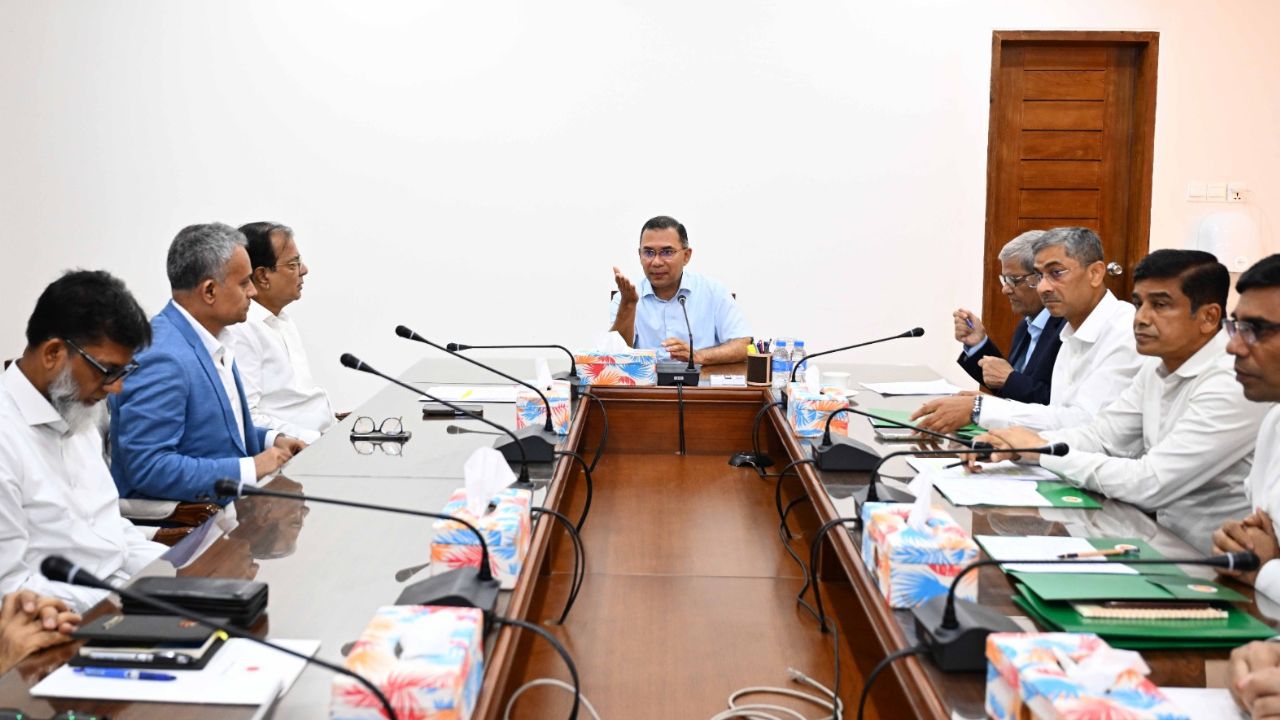
The centre was established following a memorandum of understanding (MoU) signed between DIU, the Proyash Technology Foundation and six technology companies. Its objectives include expanding education, research, technology transfer, human resource development and the application of CAE technologies in Bangladesh.
According to the organisers, CAE technology has become essential across industries including automotive, electronics, semiconductors, aerospace, power generation, renewable energy, healthcare, smart manufacturing and infrastructure development.
The Daffodil CAE Center will initially focus on system modelling and simulation, with plans to expand into areas such as finite element analysis (FEA), computational fluid dynamics (CFD), multiphysics simulation, power electronics simulation, automotive engineering simulation, digital twin technology, smart manufacturing, Industry 4.0, AI-assisted engineering design, product performance optimisation, renewable energy systems simulation, mechatronics and embedded systems.
The organisers said these technologies would allow engineers to digitally design, analyse, test and optimise products before physical manufacturing, reducing development time, production costs and engineering risks.
Gamma Technologies Inc (GTI), USA, has provided internationally recognised CAE software licences for the centre, allowing Bangladeshi students, researchers and industry professionals to access advanced engineering simulation technologies and participate in global research and industrial projects.
The centre will collaborate with Daffodil Computers PLC, Project Promoters Private Limited (PPPL), Datasoft Manufacturing & Assembly Incorporated Ltd (DMA), Cybernetics Hi-Tech Solutions Pvt Ltd, Carl Benz Auto Care and several national and international technology organisations.
The partnerships are expected to support collaborative research, professional training, industry-academia projects, internships and innovation programmes.
“Bangladesh’s future will be driven by knowledge, innovation and advanced engineering skills. Through the Daffodil CAE Center, we are building an ecosystem where education, research and industry work together,” Dr Md Sabur Khan said in a press release.
He said the initiative would help prepare skilled engineers and contribute to industrialisation, innovation and technology-driven economic growth.
Dr Syed Wahiduzzaman said the centre was more than a laboratory and would serve as a platform for international knowledge exchange, technology transfer and engineering innovation.
“Our goal is to connect Bangladeshi students and engineers with world-class technologies and industrial expertise so they can lead both nationally and globally,” he said.
Mahbub Zaman said the centre introduced a new vertical for Bangladesh’s ICT industry by integrating computer-aided engineering software, manufacturing, engineering and innovation.
He said the initiative could create opportunities for exporting high-value technology services and strengthen Bangladesh’s position in the global digital economy.
The organisers said the Daffodil CAE Center would conduct international-standard training programmes, research initiatives, industry-academia projects, workshops, professional certification courses, faculty development programmes and student innovation activities.
In the long term, the centre aims to establish Bangladesh as a regional hub for Computer-Aided Engineering, engineering simulation, digital product development and advanced computational engineering, while supporting the country’s goal of becoming a smart, innovation-driven and globally competitive economy.


