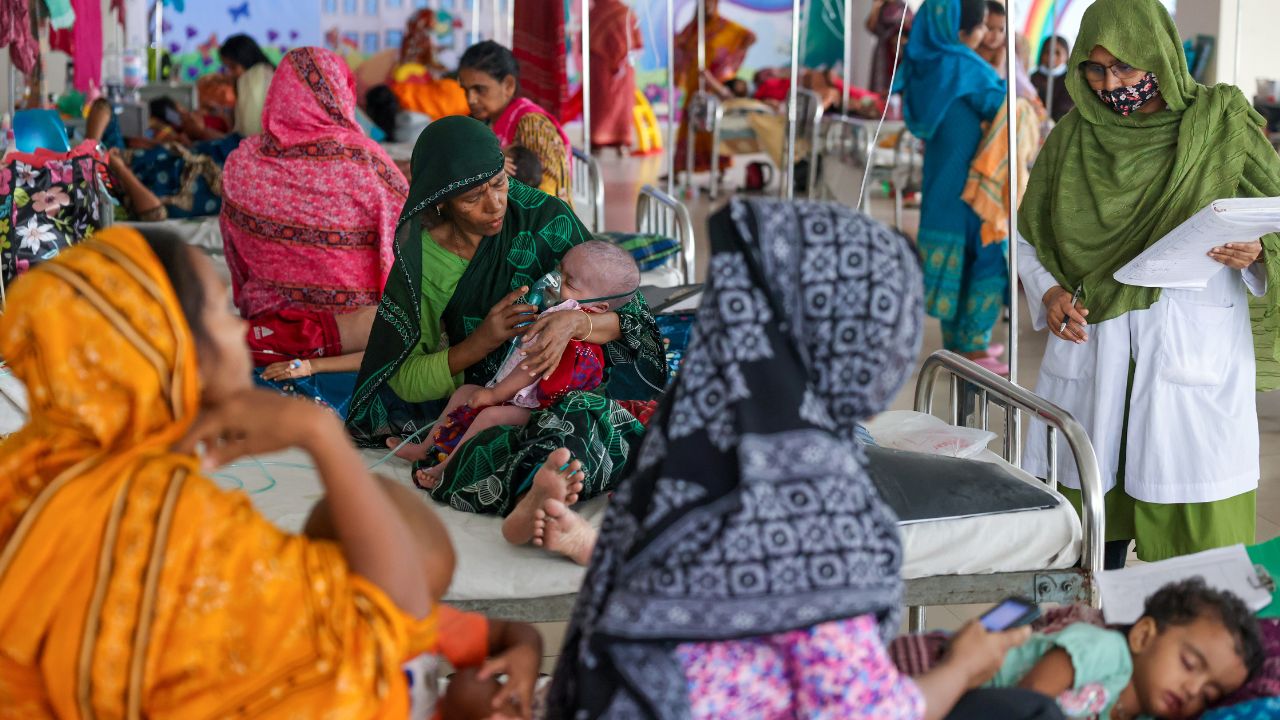
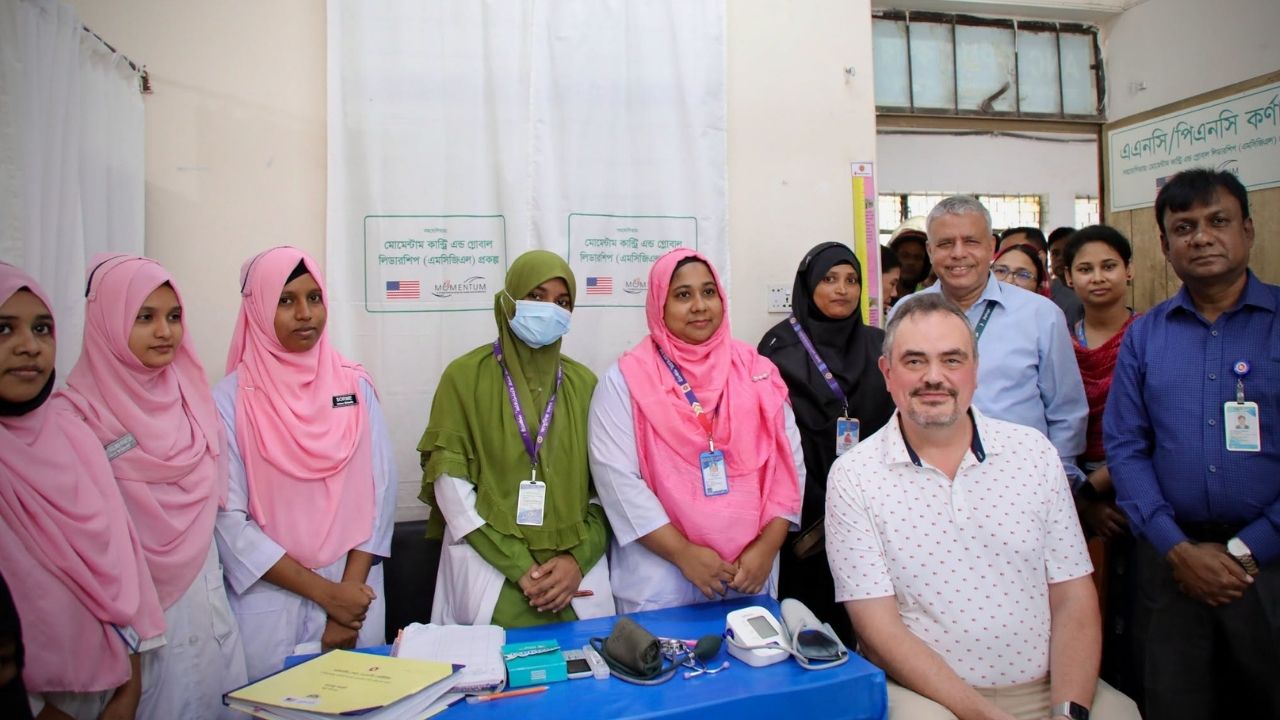
A 26-year-old resident of Goran, Khilgaon, Belayet Hossain exemplifies the pervasive anxiety gripping many. Haunted by recent tremors, he says he suffers nightmares of collapsing buildings and finds that even everyday noises trigger panic. His experience reflects a wider national crisis.
Bangladesh is confronting a growing mental-health emergency as recurring disasters, quake-induced anxiety, and deep-rooted stigma collide with an acute shortage of professionals and chronic underinvestment – leaving millions without essential psychological support. The strain is visible across communities, particularly in densely populated areas like Dhaka.
“It feels like I’m still inside the quake,” Hossain said, adding that living in a crowded area with ageing infrastructure only intensifies his fear.
Mild tremors in Dhaka, Sylhet and Cox’s Bazar on Thursday further intensified anxiety and trauma of him and countless others.
Psychologist and mental-health professional Faysal Ahmed Rafi told TIMES of Bangladesh that the fear following the recent seismic activity is a normal response, often presenting as “post-earthquake biotic syndrome,” where minor physical sensations are misinterpreted as new tremors.

Research confirms the widespread nature of disaster-induced trauma. A Systematic Review and Meta-Analysis of Flood-related PTSD (2022) indicates that nearly 30% of flood survivors and approximately 25% of those affected by Cyclone SIDR in 2007 experienced Post-Traumatic Stress Disorder (PTSD).
Depression rates among disaster-affected communities can reach as high as 67%, while anxiety levels are reported up to 92% in regions facing riverbank erosion.
However, cultural barriers prevent most people from seeking help. Stigma remains a major obstacle, with many in Bangladesh still associating mental illness with moral failings or supernatural causes rather than legitimate medical conditions.
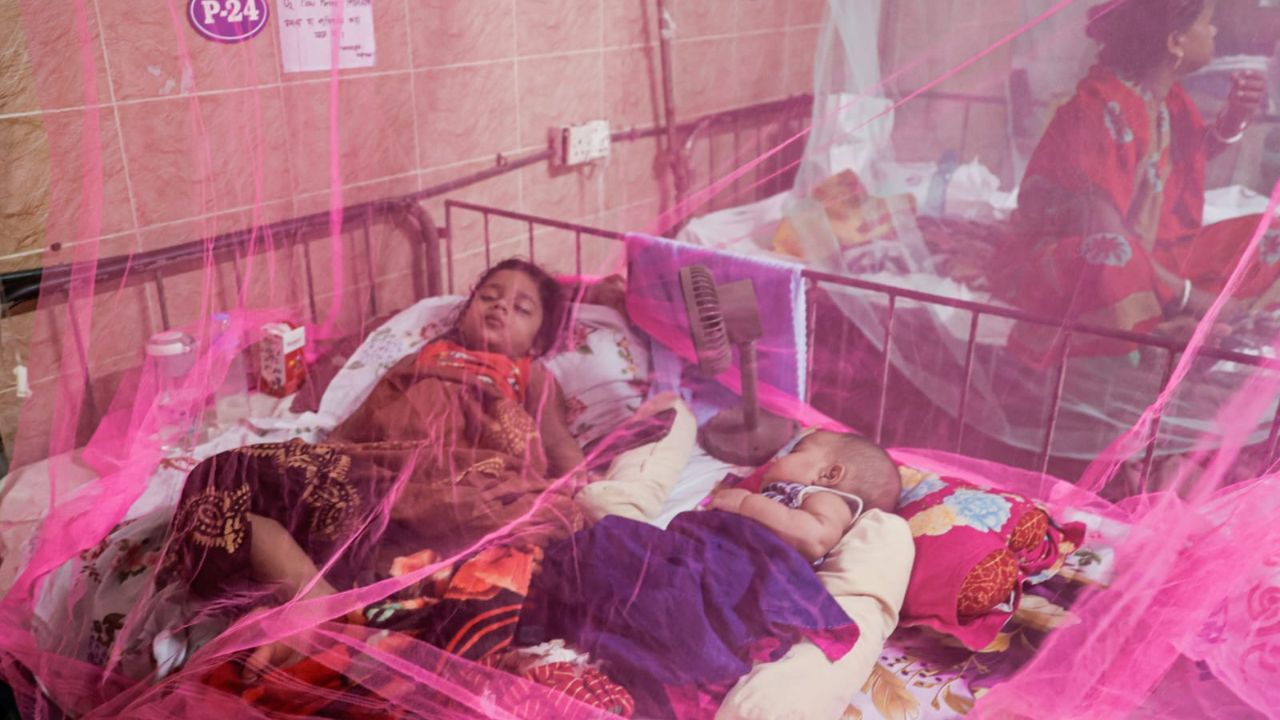
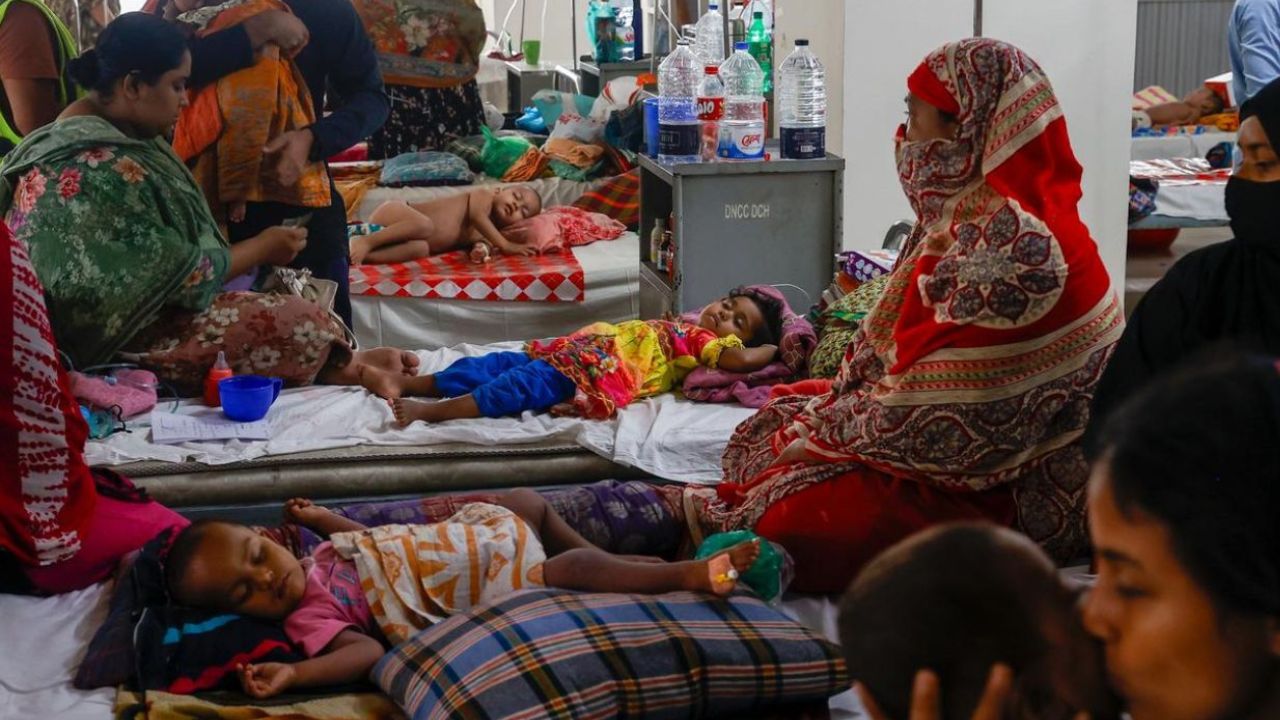

The National Mental Health Survey (NMHS) 2019 found that only 57.2% of respondents believed mental-health professionals could provide effective treatment, reflecting low trust in formal care.
Addressing the stigma around mental-health care, Rafi said misinformation and social judgment keep many from seeking help. He stressed the need for better public education on therapy, psychiatric medication, and the safety of mental-health treatment.
“Coordinated awareness efforts can help people see that emotional vulnerability is normal and that professional support is a valid path to recovery,” he noted.
The structural challenges facing the sector are immense. According to the NMHS 2019, approximately 17–19% of adults and 13% of children and adolescents live with a mental disorder. Yet, the treatment gap is catastrophic: nearly 90% of adults and over 94% of children who need treatment do not receive it.
The primary constraint is a lack of investment and manpower. National data shows that only 0.44% of the total health budget is allocated to mental health.
Associate Professor KM Nafiz Ifteakhar Tulon of the Institute of Health Economics, University of Dhaka, said the country’s mental-health sector remains underfunded and requires stronger government commitment. “More budget should be allocated in the mental-health care sector,” he said.
“Recently we’re hearing the government is trying to take some plans regarding this. If the plans are implemented, those can benefit. But more budget allocation in this sector is compulsory,” Tulon told Times of Bangladesh.
The mental-health workforce is critically limited as well. WHO data (2020) estimates only 1.17 mental-health professionals per 100,000 people nationwide. The country has roughly 270 psychiatrists and 565 psychologists, with specialist child psychiatry capacity limited to just six professionals serving the entire population.
Additional Director General (Planning and Development) of the Directorate General of Health Services (DGHS), Professor Dr Sheikh Sayidul Haque, said Bangladesh is still grappling with a significant shortage of trained psychiatrists and psychologists.
“If we had an adequate number of trained psychiatrists and psychologists, we could place them at the district level and significantly expand access to care,” he told Times of Bangladesh.
Dr Haque stressed that the urgency to strengthen the mental-health sector has never been greater, as demand is rising rapidly around the world.
In response to the situation, the government has already begun taking steps to expand services, including upgrading facilities in Pabna to better meet growing needs.