The Election Commission (EC) has directed law-enforcement agencies, intelligence units and security forces to carry out their duties strictly to help restore public confidence ahead of the February general election.
The instruction came after a police officer told the Commission during a meeting that the force was struggling to perform its responsibilities because public trust in the police had been damaged, several EC officials said.
The EC held the meeting with all security forces and intelligence agencies at its secretariat on Thursday to review the current law and order situation and discuss measures required to ensure a peaceful election environment.
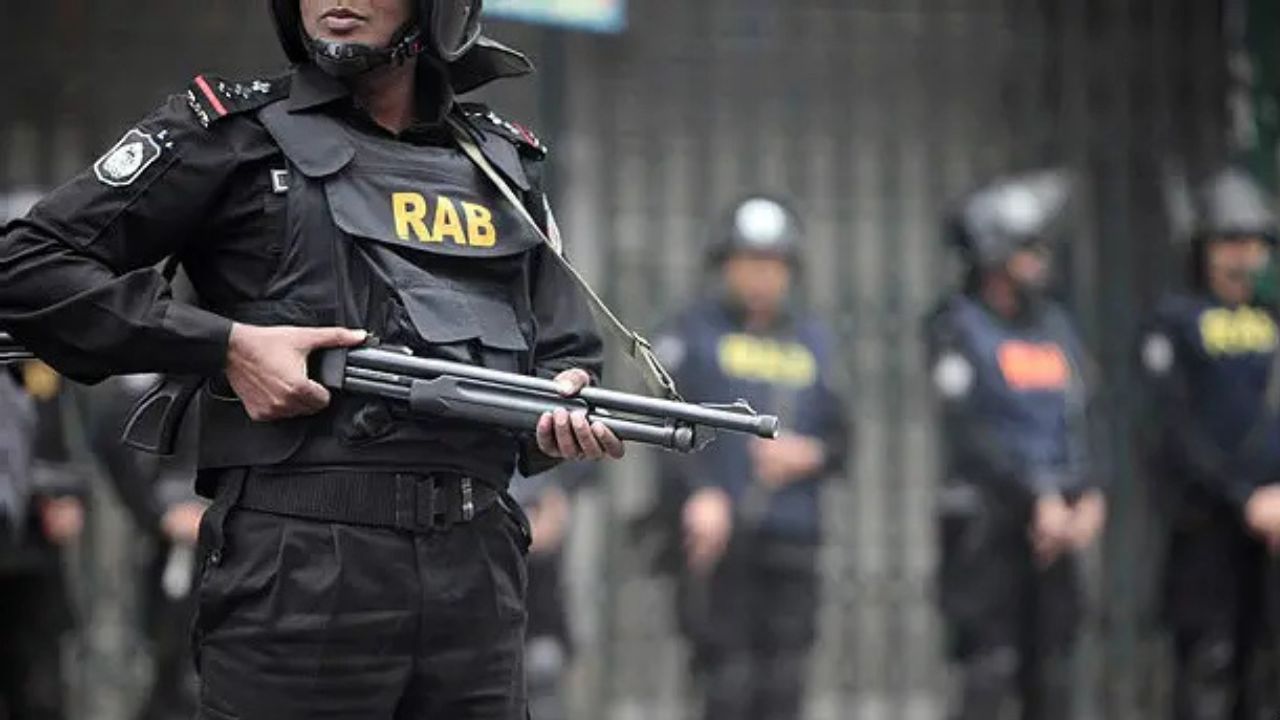
Chaired by Chief Election Commissioner (CEC) AMM Nasir Uddin, representatives from the Army, Navy, Air Force, home ministry, police, RAB, BGB, Coast Guard, Ansar-VDP, the Armed Forces Division, DGFI, NSI, NTMC, SB and CID attended the meeting.
At the meeting, the EC has provided the security forces an outline for security deployment during the election.

“The respective forces will prepare detailed plans in line with the outline,” EC Senior Secretary Akhter Ahmed told reporters after a meeting.
Describing the deployment outline, he said it consists of three key components: static forces at polling centres; static and mobile check-posts along with patrols based on geography and road access; and a central reserve force.




“The traditional ‘striking force’ will operate within these components to ensure mobility, deterrence and rapid response. NTMC’s capabilities will also be used, and cybersecurity will be closely monitored. This overall framework forms our strategic plan,” he added.
According to EC sourced, police representatives expressed concern during the meeting that public trust in the force has declined since August 5.
In response, Chief Election Commissioner AMM Nasir Uddin urged the agencies to strictly follow the code of conduct and restore confidence through their actions.
He instructed them to operate under their own command structures, assuring that the EC would not interfere.
A monitoring cell with representatives from all forces will be set up at the Commission, and any directive appearing to support a particular side should not be treated as an EC order and must be acted against, EC sources confirmed.
The discussion also focused on securing polling centres, protecting election officials and materials, recovering illegal or lost arms, and removing unauthorised campaign materials.
“Recovering lost and illegal arms remains a priority. Intelligence efforts must be strengthened. Known militants and criminals must be kept under close watch and brought under the law when needed,” Ahmed said, adding that the use of licensed weapons will be regulated based on the situation.
On deployment, he said, “Whether agencies position their personnel as static, reserve or striking forces at polling centres is entirely their decision. The Home Ministry will determine the number of members and the duration of deployment.”
Ahmed added that the agencies have assured the Commission they will begin field duties from the first day and act effectively.
Asked about the armed forces’ existing magistracy power, he said they fall under the broader definition of law enforcement agencies. “Their magistracy power will remain in force until February 2026,” he said.