
Bangladesh has called for expanded market access, increased concessional finance and reforms to the global financial architecture to help the world’s least developed countries (LDCs) tackle mounting debt, climate and financing pressures that are undermining progress towards the Sustainable Development Goals (SDGs).
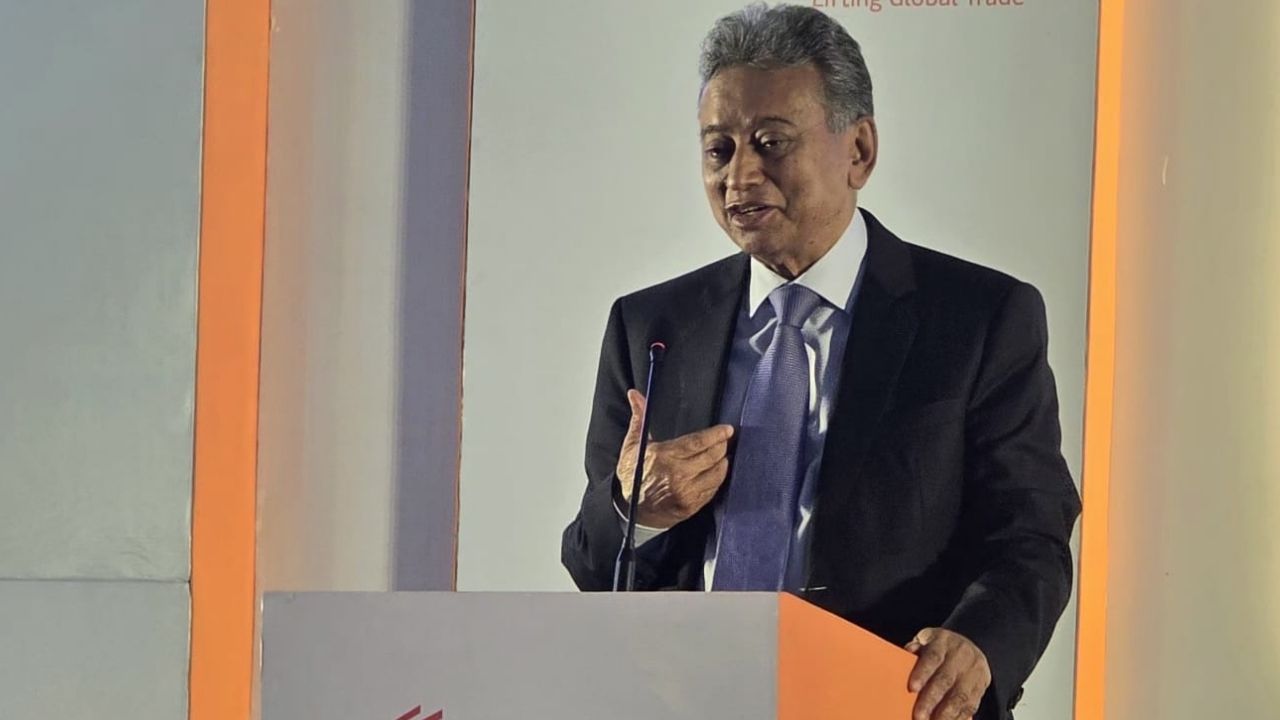
Speaking on behalf of the LDC Group at the High-Level Segment of the United Nations Economic and Social Council in New York on Monday, Prime Minister’s Adviser for Finance and Planning Rashed Al Mahmud Titumir reaffirmed the group’s commitment to the 2030 Agenda for Sustainable Development and the Doha Programme of Action (DPoA), describing them as guiding frameworks for sustainable, resilient development and smooth graduation of LDCs.
With the world entering the final stretch towards 2030, progress towards the SDGs remains “alarmingly off track”, with the situation even more critical for LDCs, Titumir said.
According to Titumir, persistent vulnerabilities, aggravated climate change, rising debt burdens, constrained fiscal space, declining official development assistance (ODA), widening digital divides and limited access to affordable finance continue to hinder LDCs’ development efforts. These challenges also undermine implementation of the 2030 Agenda and put at risk the DPoA’s goal of enabling more LDCs to achieve sustainable and irreversible graduation by 2031.

Graduation challenges
Currently, 14 LDCs are at different stages of the graduation process and continue to require sustained international support. Bangladesh and Nepal have requested a three-year extension of their preparatory period until November 2029 due to unprecedented political, macroeconomic, environmental and external shocks.
“The additional time is a strategic necessity” for graduating LDCs navigating complex domestic and global challenges, Titumir said. The extension would allow them to advance macroeconomic stability, implement Smooth Transition Strategies and strengthen critical reforms.
Effective implementation of the Doha Programme of Action is also essential to address structural constraints, strengthen resilience, productive capacities and long-term sustainable development.




Looking ahead to the DPoA Mid-Term Review in Doha next year, Titumir described it as a critical opportunity to strengthen global partnerships and accelerate implementation of agreed commitments. He urged heads of state and government, ministers, leaders of international financial institutions and development partners to participate at the highest level to ensure the review delivers “transformational and implementable outcomes”.
The five priorities
Presenting the LDC Group’s five priorities, Titumir called for a significant increase in adequate, predictable and affordable concessional financing to address mounting debt vulnerabilities while increasing investment in education, health, productive capacities, resilient infrastructure, job creation, poverty eradication, social security and essential services.
He also urged reforms to the international financial architecture through expanded access to concessional resources, debt suspensions, sustainable debt solutions and more equitable financing arrangements that better reflect the structural vulnerabilities of LDCs.
Climate finance, according to Titumir, must be accessible, predictable and commensurate with countries’ vulnerabilities. Support for adaptation, resilience-building, energy transition and the Loss and Damage Fund should remain “additional, adequate and readily accessible”.
He also called for stronger international cooperation to strengthen energy security through investment in clean energy and resilient infrastructure.
Titumir urged the international community to preserve and expand market access for LDCs by reversing protectionist trends and ensuring transparent, simplified and development-friendly rules of origin.
He also stressed the need for stronger international cooperation to bridge digital and technological divides through enhanced technology transfer, capacity building and digital transformation, enabling LDCs to harness innovation and accelerate sustainable development.
Concluding his address, Titumir said the challenges facing LDCs are “a test of international solidarity and the credibility of multilateralism”.
The LDC Group stands ready to work with all partners to ensure next year’s Doha Mid-Term Review becomes “a turning point” that restores momentum, rebuilds trust and delivers on the promise of sustainable development, leaving no one behind.