Ten years ago, Dhaka was already bursting at the seams. It was a chaotic, noisy, growing city. Yet somehow, it still had room to breathe.
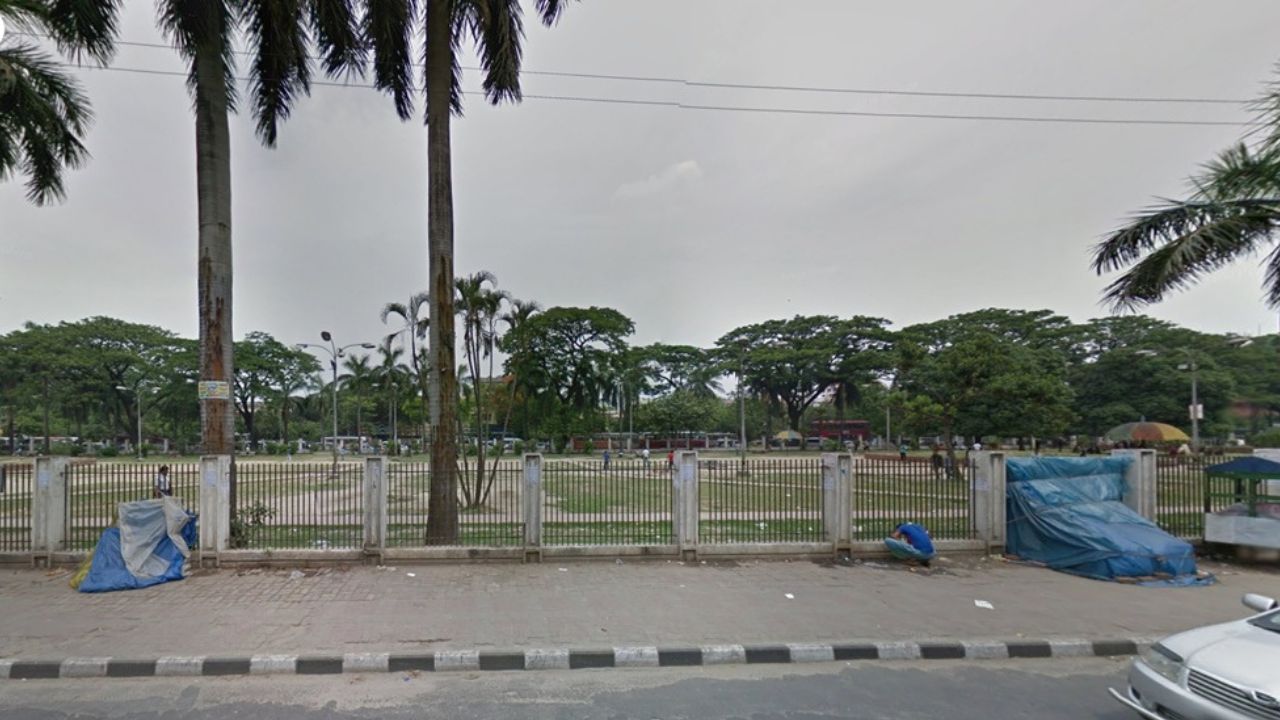
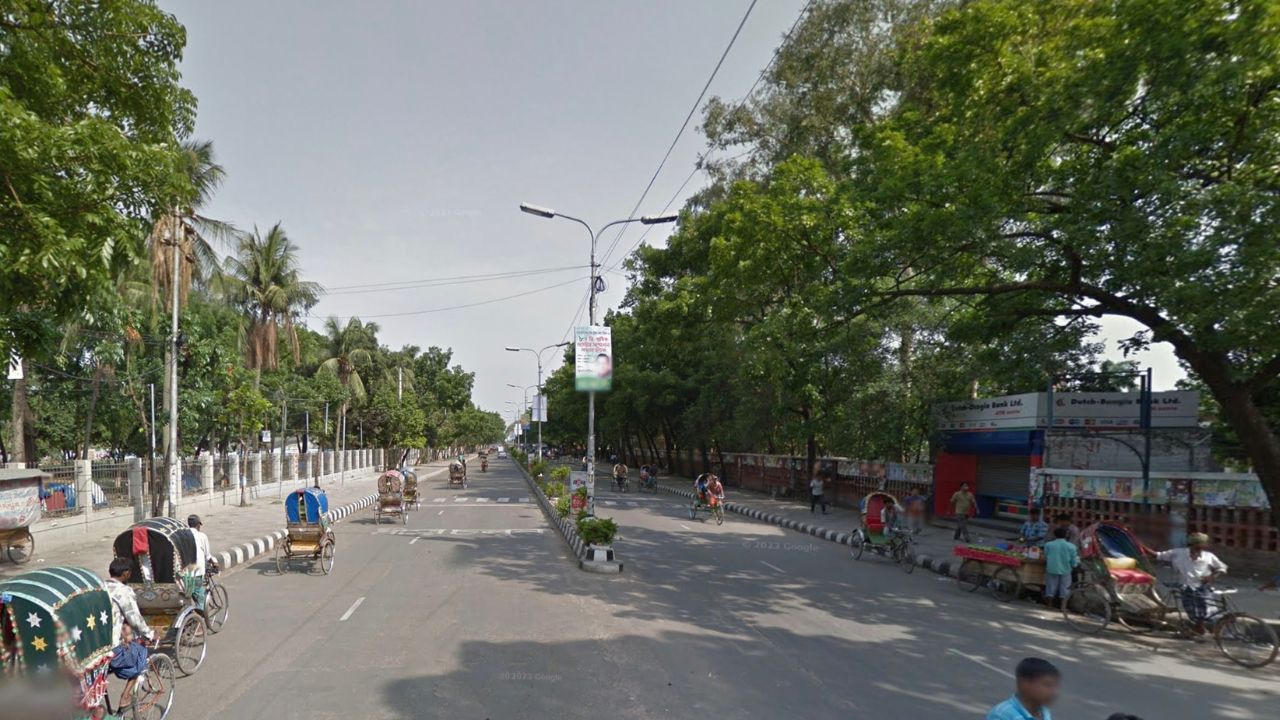
On Secretariat Road, rickshaws glided under rows of trees. The air smelled of dust and green leaves. From TSC to Tejgaon College, the skyline was open; wide enough to let your eyes rest, to remind you that the city still had a sky. Even on busy afternoons, you could feel a little breeze slipping through.
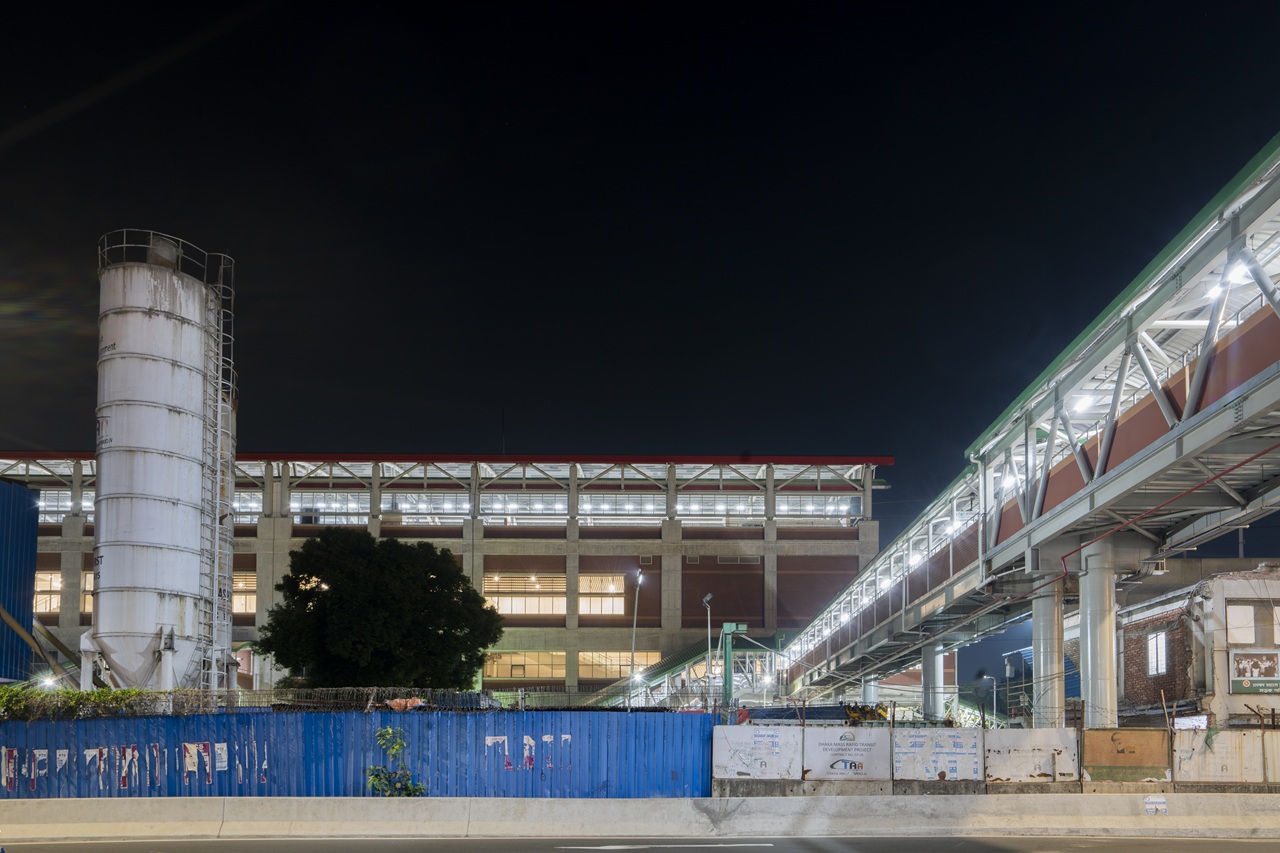
Those memories now feel distant. Today, the same streets look and sound heavier. At Kazi Nazrul Islam Avenue, the metro rail towers above, its concrete pillars slicing through the view. Khamarbari and Mirpur 10 are caught in a maze of flyovers and traffic. The shadows of those massive structures stretch across roads that once shimmered with sunlight.

We call it progress. The metro rail, the overpasses, the high-rises; they’re all signs of a city moving forward. And yes, life is faster now, more connected, more convenient. But Dhaka is paying a quiet price. Every new structure eats into what little space we have left: the trees, the parks, the playgrounds. Those once-vital breathing corridors are slowly disappearing under the name of development.




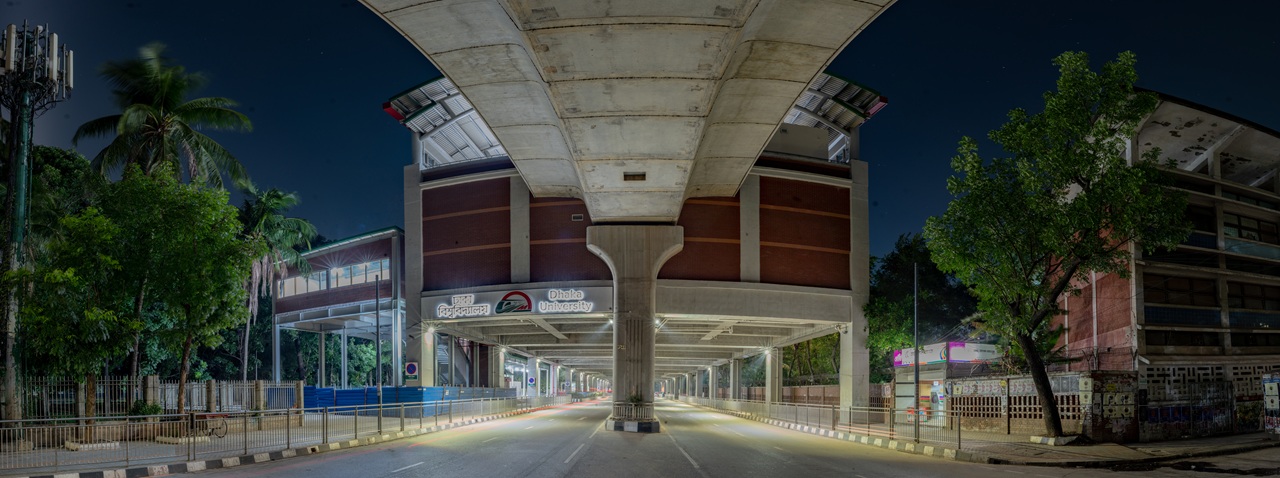
Look closely at the old photos: children playing near Tejgaon College, sunlight filtering through branches along Secretariat Road. Now compare them with the new ones: glass, metal and concrete. The difference isn’t just visual; it’s emotional. The Dhaka of open skies has become a city of shadows.

Urban experts say the city is turning into a “heat island.” With less greenery and more concrete, hot air gets trapped. The natural airflow that once cooled Dhaka is now blocked by the walls of buildings and elevated tracks. It’s why our summers feel harsher, our air heavier.
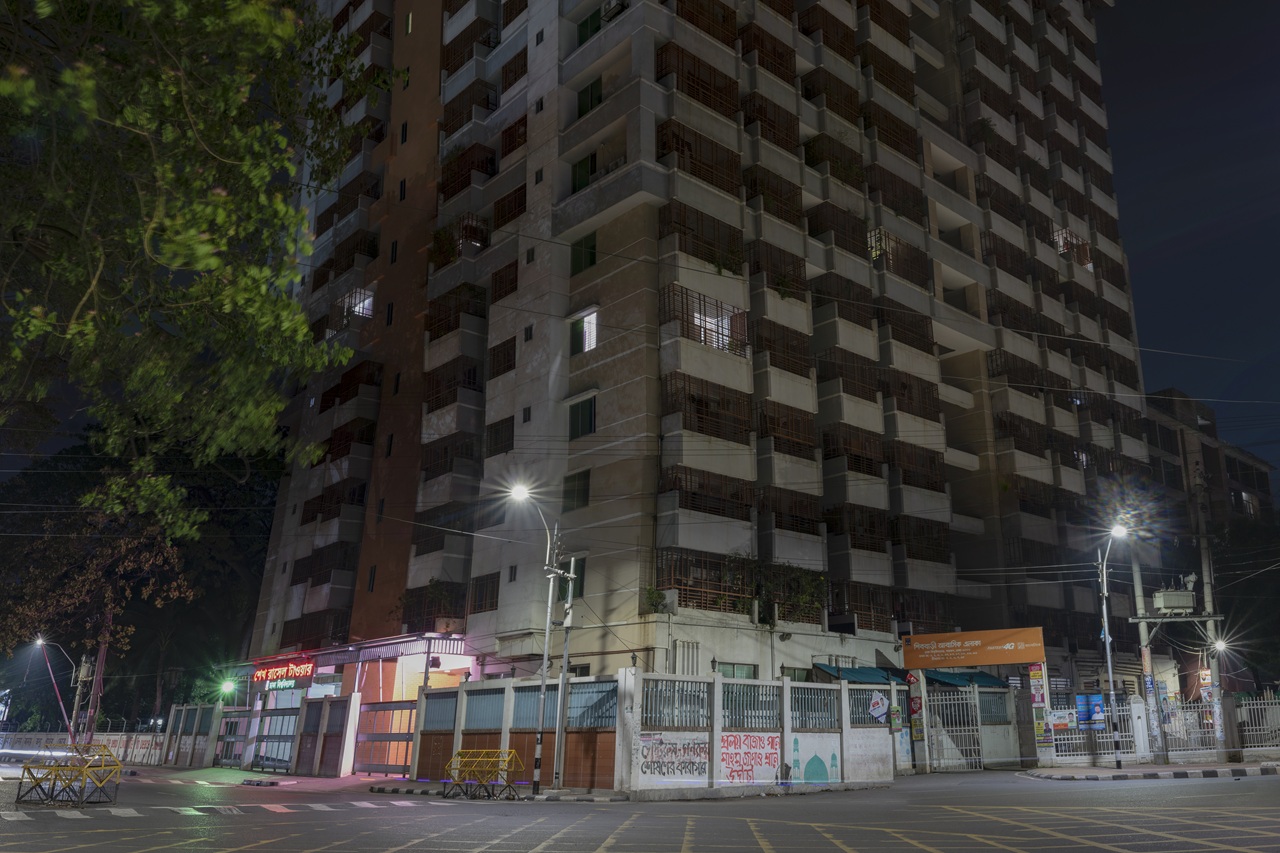
Progress doesn’t have to mean losing everything. A city can grow without suffocating itself. But to do that, we must remember what made Dhaka liveable in the first place, its light, its trees, its open sky. Because a city that forgets to breathe will eventually forget to live.