


The global halal industry, valued at nearly $3 trillion, is projected to reach $9.45 trillion by 2034, presenting a significant growth opportunity for Bangladesh.
However, Bangladesh’s halal exports remain limited, primarily focused on agro-based products, with an annual export value of around $850 million.
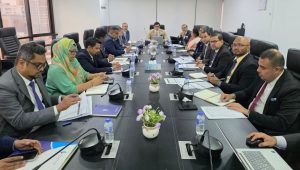
Experts at a focus group discussion organized by the Dhaka Chamber of Commerce and Industry (DCCI) on Saturday emphasized the need for a cohesive halal ecosystem and an independent halal certification authority to harness the sector’s full potential.
DCCI Senior Vice President Razeev H Chowdhury noted that “non-compliance with international halal standards, insufficient logistics infrastructure, and the lack of modern laboratories” were key barriers to growth in Bangladesh’s halal sector.
He further stressed the importance of a public-private partnership to establish internationally accredited testing facilities and streamline the halal certification process.
Currently, halal certification is issued by both the Islamic Foundation and the Bangladesh Standards and Testing Institution (BSTI), which has created confusion within the industry.
Mominul Islam, Assistant Professor at the International University of Business Agriculture and Technology (IUBAT), discussed the complexities in Bangladesh’s halal certification process.

He pointed out that modernization of equipment, increasing skilled manpower, and improving the supply chain system are essential steps to address these challenges.
Islam also highlighted the broad scope of the halal industry, which spans sectors such as food, finance, tourism, cosmetics, medicine, and fashion.
He emphasized the growing demand for halal-certified products in Bangladesh, particularly in meat, poultry, processed foods, cosmetics, and pharmaceuticals, driven by rising incomes, urbanization, and increasing religious awareness.
However, Islam identified several key obstacles, including underdeveloped supply chains, dual certification authorities, and a lack of trust among stakeholders.




He argued that Bangladesh could seize key opportunities in expanding halal product lines, capturing global markets, advancing halal education, and fostering business growth.
“The government’s plan to create a unified halal certification body is a crucial step towards addressing these issues,” said Islam.
He also noted that the global halal market is projected to reach $3.5 trillion by 2028, with halal food, finance, and tourism leading the way.
Innovations in halal production are emerging, including modern slaughtering machines, cold chain logistics, and blockchain-enabled supply chains in countries like Malaysia and Indonesia.
Islam urged Bangladesh to align its regulatory frameworks to international halal standards, especially for the growing halal pharmaceutical market.
He mentioned that companies like Square Pharmaceuticals and Beximco are already pursuing halal certification for their exports.
Paragon Group Assistant Manager-Export Md Abul Kalam Azad emphasized the importance of a “digital, technology-based halal certification system” to improve the certification process.
Bengal Meat Head of Supply Chain and Export AGM Sayadul Haq Bhuiyan also called for the use of blockchain technology to track animal lifecycle data, adding that international accreditation of halal certification authorities would enhance the credibility of Bangladesh’s halal sector.
Islamic Foundation Deputy Director Md Abu Saleh Patwary acknowledged the need for “stronger government monitoring and quality assurance” for halal products.
Export Promotion Bureau (EPB) Director General-1 Baby Rani Karmakar underscored the need for collective efforts to increase Bangladesh’s market share in the global halal sector, which is growing at 12% annually.
Bangladesh Investment Development Authority (BIDA) Director General Md Ariful Hoque discussed the potential of the halal sector for export diversification in the post-LDC era.
He mentioned that the government is considering establishing a special economic zone for halal industries to further support the sector’s growth.
Bangladesh Accreditation Board Director General Mohd Aminul Islam expressed optimism that coordinated efforts could unlock the halal sector’s full potential.
During the open floor discussion, former DCCI Vice President M Abu Hurairah pointed out the growing involvement of rural women in economic activities.
Hurairah suggested providing small-scale incentives to encourage their participation in animal husbandry, which could boost halal food exports.