As Bangladesh stands on the doorstep of its 2026 graduation from the LDC list, our primary capital market is tellingly headed in the opposite direction. We are not merely seeing a “bad patch”. Instead, we are witnessing a deep-rooted structural crisis.
Between the free-falling indices, thinning trading volumes and a total collapse of investor confidence, the market has become incredibly brittle. This is no minor dip. It is the fallout of years of policy gaps, weak oversight and a shaky macroeconomic backdrop.
To fix this, we need more than just bandages. We require a synchronised effort from the “Four Pillars” — the BSEC, the government, brokerage houses and the investors themselves.
The market is stalling
By the start of 2026, we have found ourselves stuck in what economists call a “low-momentum equilibrium”. While our neighbours Pakistan and Sri Lanka saw their markets rally in 2024, with Pakistan hitting a staggering 85 per cent return, Bangladeshi investors were left nursing a 16 per cent loss.
It is a painful irony that our economy is growing, yet our market depth is actually shrinking.

In 2015, market capitalisation was a healthy chunk of our GDP. By mid-2024, it had shrivelled to less than 12 per cent.
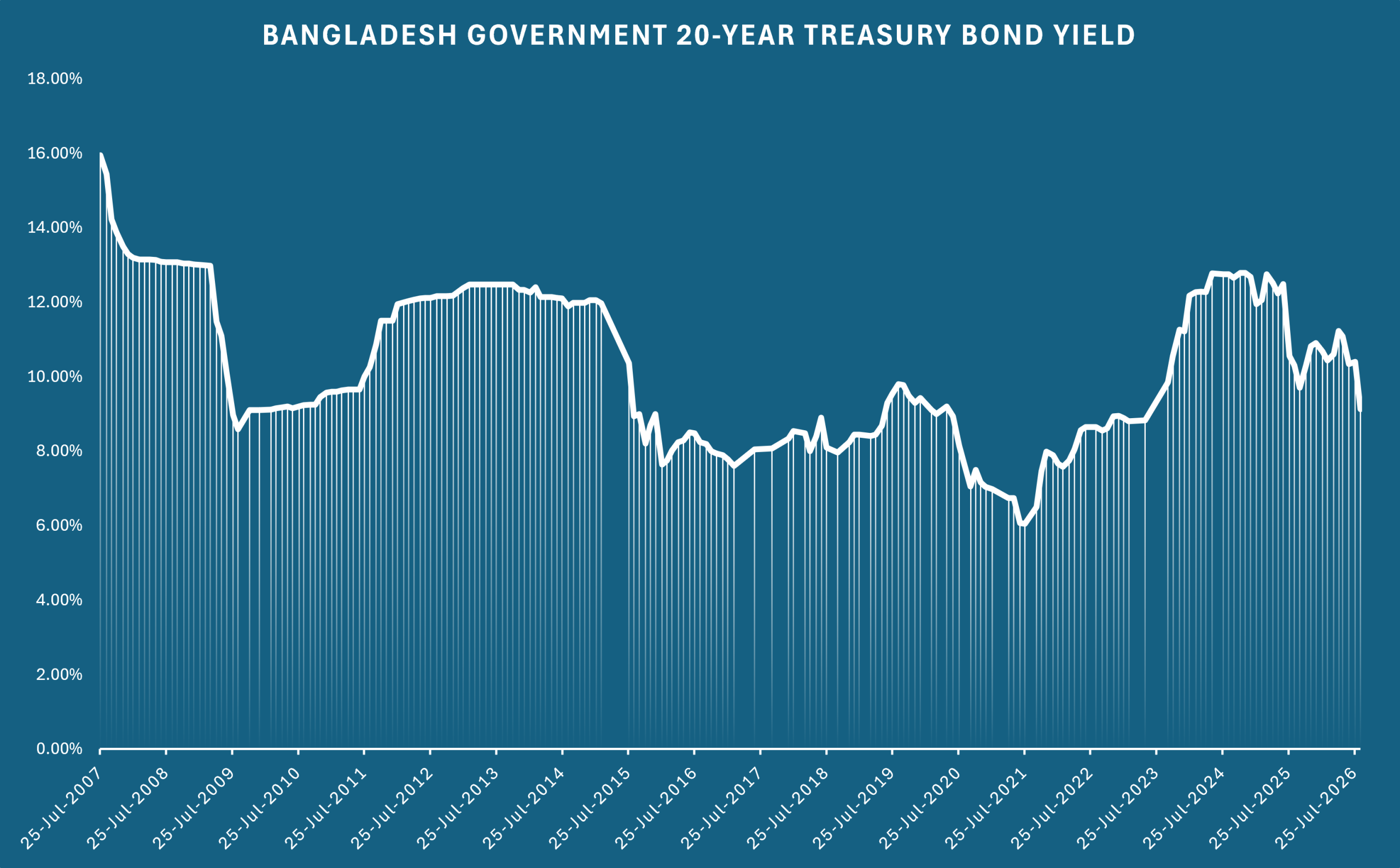
The reality on the ground is tough. With inflation hovering at 9.13 per cent and the repo rate hitting 10 per cent this April, people are moving their money out of stocks and into the perceived safety of bank deposits.
The DSEX sitting at 5,163.45 points is a clear “SOS” signal. Add to this the global surge in fuel prices, with Brent crude topping $105, and you have a recipe for squeezed corporate profits and smaller dividends.
A new mandate



The BSEC can no longer be a passive observer. The planned “Capital Market Diagnostic” is a good start, but we need radical transparency in the IPO process.
We must stop the “syndicates” from inflating prices and ensure that only quality companies make it to the floor.
Moving towards full digital automation for real-time monitoring and finally implementing the Whistleblower Protection Rules 2026 would go a long way towards proving that the regulator actually has the investor’s back.
The government needs to step up as well. We are far too dependent on bank loans for industrial growth. We need a robust bond market, supported by the ADB’s Bond Guarantee Fund, to give big industry a better way to raise cash.
We also need “the good stuff” on the menu. Profitable state-owned enterprises and multinationals must be incentivised, or pushed, to list locally.
Professionalism on the front lines
Brokerage houses need to stop relying on old-school margin lending and start acting like modern financial advisers. We need better technology, deeper research and a move away from the “commission-at-all-costs” mentality.
If brokers help investors make smarter, data-driven choices, the whole capital market ecosystem stabilises.
Finally, for retail investors, it is time to tune out the “tips” on social media. The market is neither a casino nor a shortcut to overnight wealth. Diversification and patience are the only real shields against volatility.
When the market is at its lowest, quality stocks like BRAC Bank are often “on sale”. But only those with a long-term vision will reap the rewards.
Looking towards 2029
The goal is ambitious. We must aim to hit a 40 per cent market cap-to-GDP ratio by 2029. To get there, we need to introduce new tools like commodity exchanges and green bonds.
But more than anything, we must fix the crisis of confidence. A fair election, steady policies and zero tolerance for manipulation are the only keys that will unlock this market’s true potential.
The author is a Vice President at the Bangladesh-American Chamber of Commerce USA Inc. The views expressed in the article are his own and do not reflect those of any organisation.