


A workshop on safeguarding, prevention of sexual exploitation and abuse and ensuring the inclusion of persons with disabilities was held in Cox’s Bazar, bringing together representatives from government and private institutions, youth groups and development organisations.
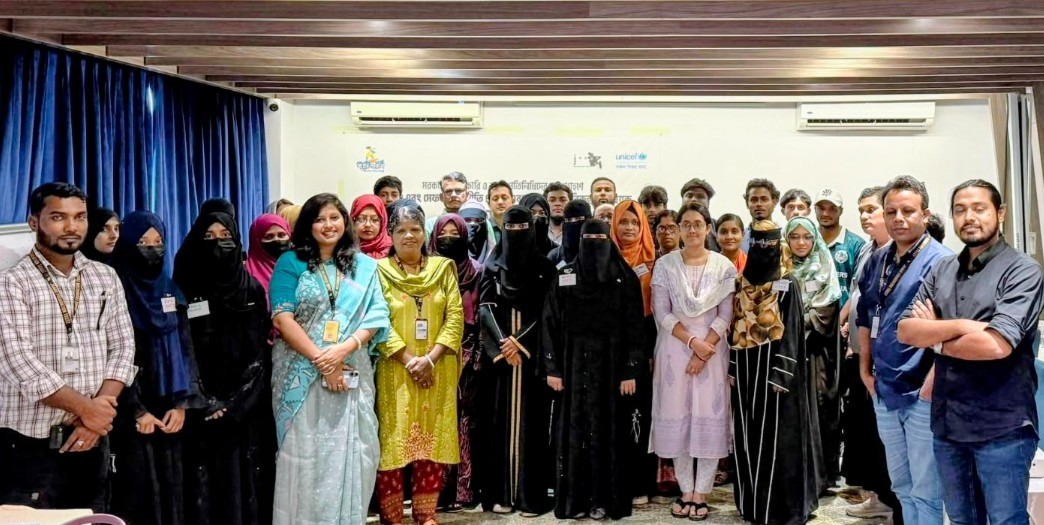
JAAGO Foundation Trust organised the day-long workshop on Wednesday at Grace Cox Smart Hotel in Kolatoli, Cox’s Bazar, under the Seashore Girls Empowerment Initiative of the Shopno Sharothi project with support from UNICEF, according to a press release.
A total of 50 participants attended the workshop, including 40 representatives from stakeholder institutions and 10 officials and staff members of JAAGO Foundation Trust.
Among the institutional representatives, 27 were from the district Women and Children Affairs department, seven from the Department of Social Services, five from sports-based organisations and one from an NGO.

Farhana Aziz, department head of People and Culture at JAAGO Foundation Trust, discussed safeguarding practices and prevention of sexual exploitation and abuse. She highlighted the importance of safe conduct, complaint and reporting mechanisms and maintaining confidentiality.
Iftikhar-Ul-Karim, department head of Programme Implementation at JAAGO Foundation Trust, focused on ensuring the inclusion of persons with disabilities at every level.



He said equal opportunity, dignity and meaningful participation must be ensured for persons with disabilities. The discussion also highlighted barriers faced by girls and young women with disabilities in accessing protection services.
Md Abdul Awal, assistant director of the District Social Services Office, outlined government initiatives on the rights and services available for persons with disabilities.
Md Kamrul Hasan, child rights officer at the Department of Women Affairs, highlighted existing good practices on safeguarding in Cox’s Bazar and stressed the importance of coordination among institutions.
Joy Dey, peer leader at the Department of Women Affairs, shared field-level experiences in preventing child marriage and said coordinated efforts with the administration are essential to ensure effective protection of children and adolescents.
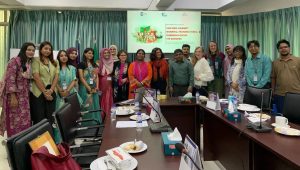
The workshop included group discussions on risk identification, complaint and reporting systems, referral processes and the responsibilities of stakeholders.
At the end of the programme, participants pledged to follow safeguarding policies in their respective institutions and remain committed to protecting the rights of persons with disabilities.